
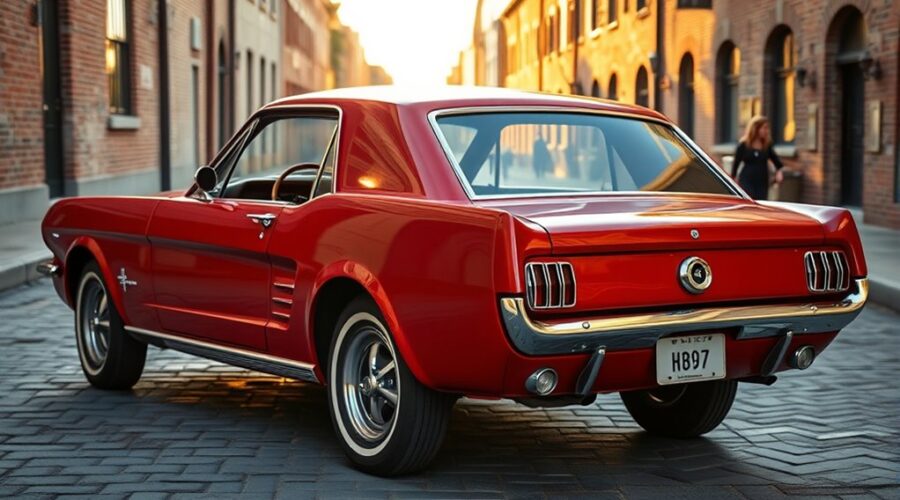
Classic cars invite interest because they combine historical significance with mechanical character. Early milestones, from the first self-propelled vehicles to the Model T, shaped what enthusiasts value today. Engine output, weight, rarity, and condition often matter more than styling alone. Costs and upkeep can quickly alter ownership plans, while fame and provenance raise value further. The real question is which classics remain rewarding behind the wheel.
What Makes a Classic Car Worth Driving?
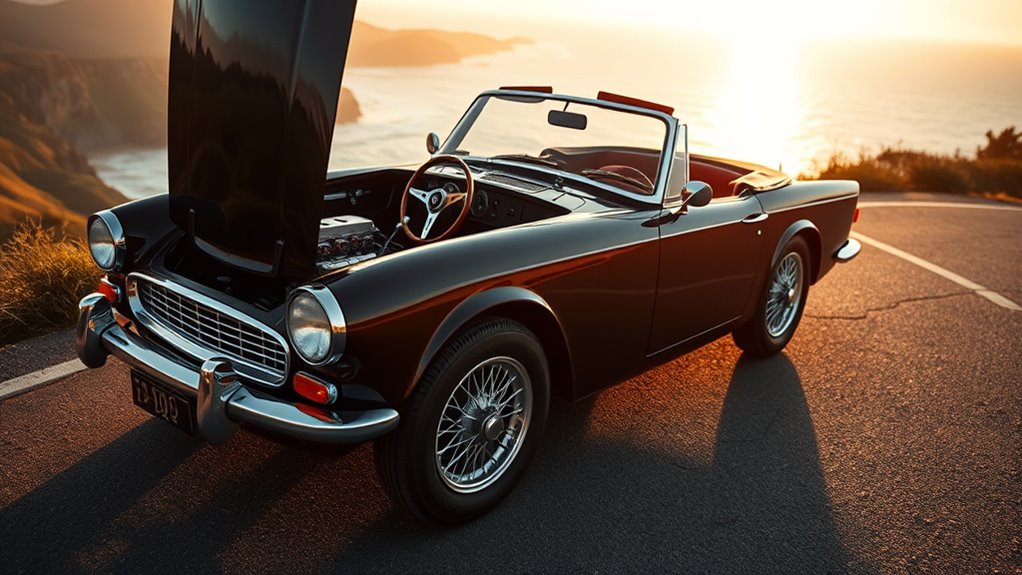
What makes a classic car worth driving is often a combination of design, performance, cultural meaning, and hands-on ownership. In classic cars, timeless bodywork and restrained details function as more than nostalgia; they reveal an era’s engineering priorities and aesthetic discipline.
Models such as the Mercedes-Benz 300 SL and Jaguar E-Type are valued for responses that remain vivid and mechanical, delivering acceleration, steering feel, and feedback that modern isolation often edits away. Other classic cars, including the Ford Mustang and Chevrolet Corvette, carry strong symbolic weight, linking drivers to American automotive identity and collector culture.
Ownership further deepens the appeal because maintenance, restoration, and careful preservation allow direct engagement with the machine. That labor produces autonomy, not passive consumption. Shared expertise also strengthens community, as enthusiasts trade knowledge and experience.
For many, driving a classic car is thus a practical act of connection, expression, and liberation.
Classic Car History That Shapes Today’s Legends
Classic car history stretches back to the first full-scale self-propelled vehicle in 1769, a mechanical breakthrough that opened the path from steam power to modern mobility.
From that origin, classic car history shows a clear arc of technical emancipation: Carl Benz’s 1886 Patent-Motorwagen established the modern automobile through internal combustion, replacing novelty with practical range and independent travel.
Henry Ford’s Model T, introduced in 1913, extended that freedom to ordinary households by using mass production to lower cost and widen access.
In the 1960s, the Pontiac GTO, followed by the Ford Mustang and Chevrolet Camaro, shifted attention toward expressive performance and cultural identity.
These cars did more than move people; they symbolized autonomy, rebellion, and social mobility. Their legacy endures because each milestone expanded who could drive, how far they could go, and what the automobile could mean beyond transportation.
Which Specs Matter Most Behind the Wheel?
Behind the wheel, a classic car’s most important specifications are those that translate directly into control, speed, and safety: engine output, transmission, weight-to-power ratio, suspension, and brakes.
Engine performance, measured in horsepower and torque, determines how decisively a car responds when acceleration is demanded. A manual transmission often sharpens that response, giving the driver more precise command over power delivery and a more immersive connection to the machine.
The weight-to-power ratio matters equally, because lighter cars with adequate output feel freer, quicker, and more agile, as the Jaguar E-Type demonstrated.
Suspension quality shapes cornering stability and road feedback, revealing whether a classic can remain composed when driven assertively.
Braking systems complete the equation; disc brakes generally offer stronger, more consistent stopping power than drums.
Together, these specs define whether a classic car feels merely historic or truly liberated on the road, where confidence depends on measurable engineering rather than nostalgia alone.
How to Spot Rarity, Age, and Condition
Rarity is often signaled by low production numbers, limited prototypes, or recognition within specialist registries, all of which can materially raise collector demand and value.
Age indicators typically place classics at roughly 20 to 25 years old, with vehicles beyond 30 years often carrying stronger historical relevance and benchmark appeal.
Condition checks focus on originality, preservation, and the quality of restoration, since unmodified examples usually command greater interest than heavily altered cars.
Age Indicators
Age indicators in collectible automobiles are typically assessed through a combination of production date, scarcity, and physical condition, each of which helps determine whether a vehicle qualifies as a classic.
In practice, classic cars are usually at least 20 to 25 years old, while many collectors reserve full recognition for models beyond 30 years. Age alone, however, is not absolute; institutional benchmarks matter.
Organizations such as the CCCA and AACA provide structured reference points, with the CCCA classifying classics as vehicles produced between 1915 and 1948.
These time markers help distinguish historically significant machines from ordinary used vehicles. For audiences seeking autonomy through informed collecting, such evidence clarifies status, preserves cultural memory, and supports disciplined valuation in the market.
Rarity Clues
Limited production, documented provenance, and preserved originality often signal whether a collectible automobile is truly rare.
Among classic cars, rarity is frequently tied to small build numbers; the Porsche 916, with only 11 prototypes, illustrates how scarcity can elevate status.
Age also matters: vehicles generally qualify as classic after 20 to 25 years, while those beyond 30 years are often treated as benchmark examples.
Recognition from clubs such as the CCCA provides another analytical frame, especially for cars produced between 1915 and 1948.
Cultural visibility can amplify rarity too, as iconic screen appearances have done for models like the Chevrolet Camaro.
In this field, classic value emerges where history, documentation, and limited availability converge.
Condition Checks
A careful condition check begins with three linked questions: how old the car is, how scarce it is, and how faithfully it has been preserved. A classic typically reaches 20 to 25 years; models over 30 years often carry stronger historical weight. Scarcity raises desirability, especially when production was limited or features were unique.
| Check | Indicator |
|---|---|
| Age | 20–25+ years |
| Rarity | Limited production |
| Condition | Original or restored accurately |
| Benchmarks | CCCA, AACA standards |
Condition should be read against authenticity: original trim, correct components, and careful restoration usually matter more than cosmetic shine alone. Historical significance, such as innovative design or technical breakthroughs, can strengthen value. With disciplined inspection, buyers can identify cars that meet recognized criteria and deserve freedom from guesswork.
Classic Car Buying Costs Beyond the Sticker Price
Classic car ownership often carries costs that extend well beyond the purchase price, with specialty insurance and climate-controlled storage adding substantial recurring expense.
Maintenance and repairs can be highly variable, shaped by parts availability, labor rates, and the mechanical demands of specific makes and models.
Restoration and cosmetic upkeep further increase long-term outlays, making total ownership cost a critical factor in any buying decision.
Insurance And Storage
Beyond the purchase price, classic car ownership carries recurring expenses that can materially affect total cost of ownership, especially in the areas of insurance and storage.
Specialized insurance policies are often preferable because they recognize a vehicle’s unique value, unlike standard coverage. Premiums can vary sharply with age, rarity, condition, and intended use, so comparison shopping is essential for securing favorable terms.
Storage is equally consequential: climate-controlled facilities help prevent corrosion, fading, and interior degradation, but pricing depends on location, security, and amenities.
For owners seeking autonomy from unpredictable depreciation, these protections preserve both financial and historical value. Proper coverage and controlled storage thus function not as luxuries, but as practical safeguards that sustain the car’s condition, authenticity, and long-term collectability.
Maintenance And Repairs
Maintenance and repairs represent a major share of classic car ownership costs, and the difference from modern vehicles is often most visible in the level of ongoing attention required. Regular inspection and maintenance reduce failures and protect value.
| Cost Area | Typical Issue | Effect |
|---|---|---|
| Maintenance | Wear, tuning, fluid checks | Prevents escalation |
| Repairs | Aging components, labor | Higher bills |
| Parts | Limited availability | Delays, price variation |
| Small faults | Ignored defects | Larger damage |
Classic vehicles demand hands-on care because parts age differently and systems respond less predictably than contemporary designs. Promptly correcting minor faults supports reliability and preserves mechanical freedom. Owners who budget for maintenance, diagnostics, and repair contingencies gain more control over long-term costs.
Restoration And Upkeep
Restoration and upkeep often become the largest recurring expenses after acquisition, because classic car ownership includes more than the purchase price: specialty insurance, climate-controlled storage, routine repairs, and periodic cosmetic work can all add up substantially over time.
Research shows that specialty insurance better aligns coverage with a vehicle’s rarity and possible appreciation. Climate-controlled storage reduces corrosion, moisture damage, and interior decay, preserving both condition and market value.
Costs for parts and labor vary sharply by model; some vehicles demand scarce components and expert restoration skills, increasing budgets quickly. Even when mechanically sound, many classics require ongoing cosmetic refreshment to sustain appearance and drivability.
For owners seeking practical freedom, this means planning beyond entry cost and budgeting for restoration as an enduring part of stewardship.
Classic Car Maintenance and Storage
Classic cars demand a disciplined approach to upkeep and storage because their mechanical systems, materials, and tolerances often differ considerably from those of modern vehicles. Regular inspections, fluid changes, and preventive service help sustain performance, while attentive owners monitor wear patterns that can accelerate in older components.
Because parts sourcing and labor are often specialized, maintenance costs may exceed the purchase price, making budgeting essential. Specialty insurance is also prudent, as standard coverage may not reflect the vehicle’s distinct risks or value.
For classic cars, storage matters as much as mechanical care: climate-controlled spaces reduce humidity and temperature swings that corrode metal, damage trim, and distort finishes. Infrequent use can invite fuel system clogging and tire degradation, so periodic driving supports healthier operation.
Together, these measures preserve condition, extend longevity, and protect automotive independence.
Why Fame Boosts Classic Car Value
Fame acts as a powerful multiplier in the classic car market, turning mechanical rarity into cultural capital. Research shows that cars linked to films, celebrities, and national myths often command premiums far beyond comparable models, because buyers are purchasing story, status, and provenance.
In car ownership, that narrative can feel like a form of liberation: the vehicle becomes a mobile archive of cultural memory.
- Film exposure, such as the 1977 Pontiac Trans Am in Smokey and the Bandit, raises recognition and demand.
- Iconic models like the Chevrolet Camaro, Ford Mustang, and Mercedes-Benz 300 SL gain value through historical symbolism and enduring public admiration.
- Extreme rarity, exemplified by the Ferrari 250 GTO, compounds fame into auction records; celebrity associations, including The Monkees’ Pontiac GTOs, further intensify collector interest.
These effects demonstrate that fame does not merely decorate value; it structurally reshapes market perception, liquidity, and long-term appreciation for classic automobiles.
How to Enjoy a Classic Car Without Daily Driving
Owners can preserve the appeal of a classic car without subjecting it to daily commuting by reserving it for special occasions, weekend drives, and car-show appearances, where its distinctive handling, sound, and period-specific character can be appreciated on their own terms.
This approach limits mileage, reduces mechanical fatigue, and keeps classic cars closer to original condition. Proper storage in a climate-controlled garage helps prevent rust, trim degradation, and interior cracking, while battery maintenance and tire care support readiness.
Even infrequent use demands regular fluid checks, brake inspections, and engine-start routines to keep systems healthy. Leisure driving suits these machines, whose steering, ride quality, and braking often favor deliberate enjoyment over traffic efficiency.
Participation in clubs, tours, and events extends the experience beyond the road, creating knowledge exchange and a sense of freedom anchored in shared expertise.
In this model, ownership remains expressive, practical, and enduring.
Frequently Asked Questions
What Is the Crappiest Car of All Time?
The Yugo GV is widely regarded as the crappiest car of all time. Analysts cite Car Disasters: weak 55-horsepower performance, poor build quality, safety deficiencies, reliability failures, and devastatingly low resale value.
What Is the $3000 Rule for Cars?
The $3000 rule for cars advises owners to limit repairs to about $3000 before reassessing the vehicle’s value. It supports Budget Considerations, preventing wasteful spending and empowering informed, liberatory choices between repair, replacement, or preservation.
What Are Some Interesting Facts About Classic Cars?
Classic cars have Timeless Appeal, shining like rolling heirlooms. They are usually 20–30 years old, rarity boosts value, and the 1963 Mercedes-Benz 300SL and 1954 W196R exemplify their engineering significance and auction prestige.
What Is the 30-60-90 Rule for Cars?
It is a Classic Maintenance schedule: inspections at 30, 60, and 90 days. Early checks cover fluids, tires, lights, brakes; later reviews add battery, filters, engine, transmission, and alignment, preventing costly failures.
Conclusion
Classic cars remain compelling because they combine history, engineering, and scarcity in a way few modern vehicles can match. One striking statistic underscores their appeal: the Ford Model T reached more than 15 million units produced, proving how mass manufacturing helped define automotive culture. For enthusiasts, value depends on more than age alone; rarity, condition, provenance, and maintenance all shape desirability. Ultimately, classic cars reward informed ownership with both driving character and long-term significance.