🔧 Expert automotive guides trusted by 250,000+ Canadian drivers every month
Reviews

8 Best Engine Flush for Sludge Removal in 2027

top sludge removal products

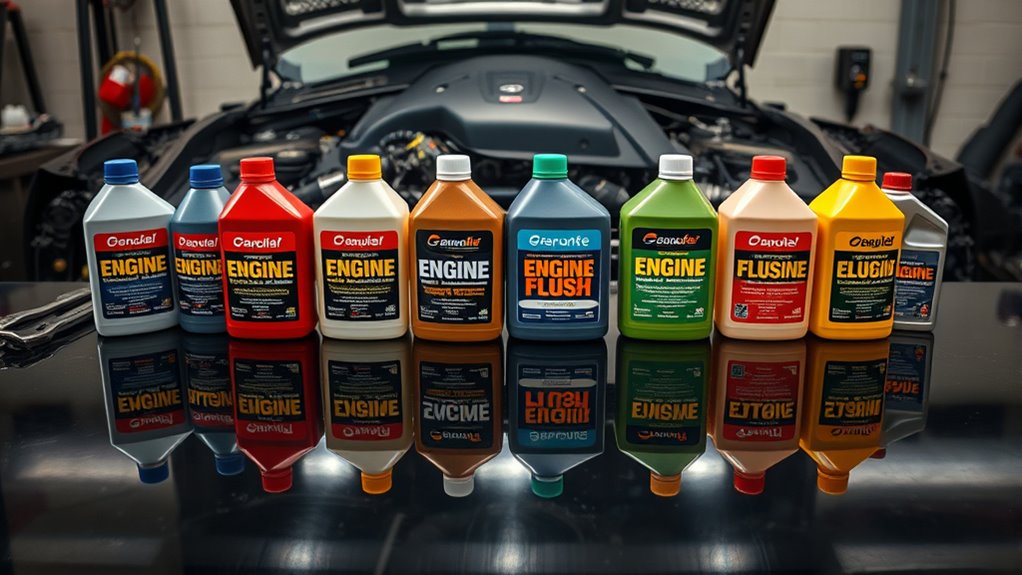
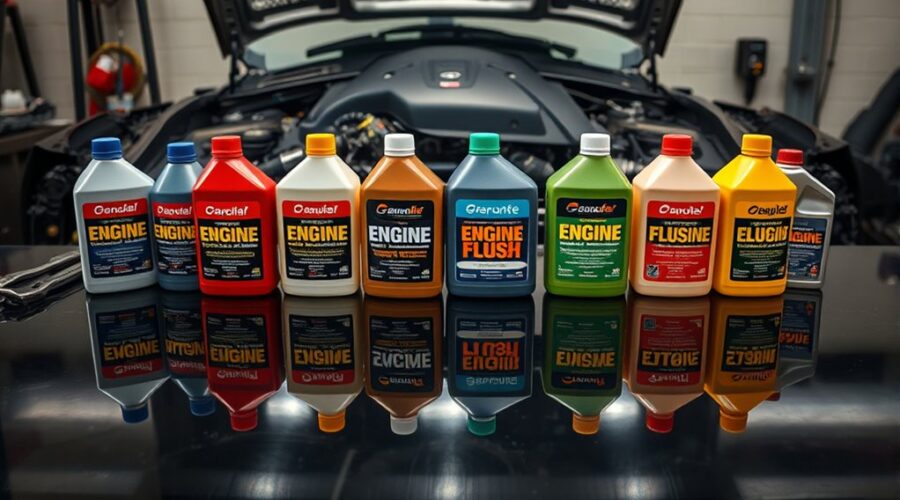
Engine sludge can quietly reduce performance, raise wear, and shorten engine life. In 2027, several flush products stand out for different reasons, from Liqui Moly Pro-Line and Sea Foam to Lubegard, STP, and BG109. Some are built for heavy deposits, while others suit high-mileage or mixed-fuel engines. The right choice is not always obvious, and the differences may matter more than expected.

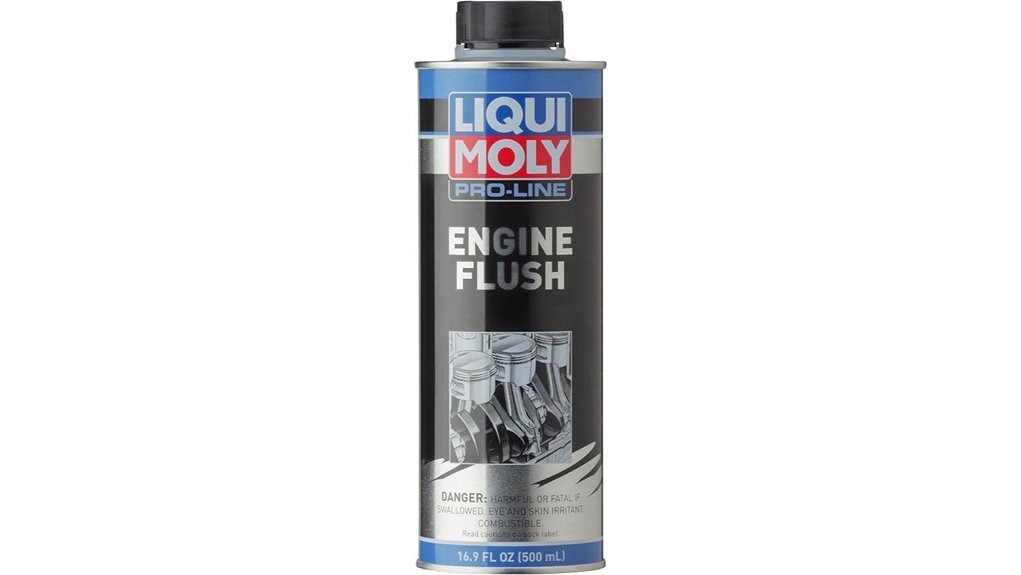
Liqui Moly Pro-Line Engine Flush | 500 ml | Oil additive | SKU: 2037

engine flush oil additive

is a practical choice for drivers and workshops seeking a fast, gentle way to remove sludge and clean oil systems in gasoline or diesel engines. Packaged as aoil additive under SKU 2037, it is designed for simple application before an oil change. Its formula cleans rapidly while remaining neutral to seals and common engine materials. Compatibility with catalytic converters adds further reassurance. By helping clear deposits without harsh action, it supports smoother operation, better maintenance, and longer engine life in routine service.

Best For: Drivers and workshops looking for a fast, gentle engine flush to remove sludge and clean gasoline or diesel oil systems before an oil change.

Pros:

  • Cleans oil systems quickly and gently for routine maintenance.
  • Neutral to seals and common engine materials.
  • Compatible with catalytic converters.

Cons:

  • Must be used as part of an oil change process, not as a standalone fix.
  • May not resolve severe engine wear or mechanical issues.
  • Limited to flushing and cleaning rather than long-term protection.

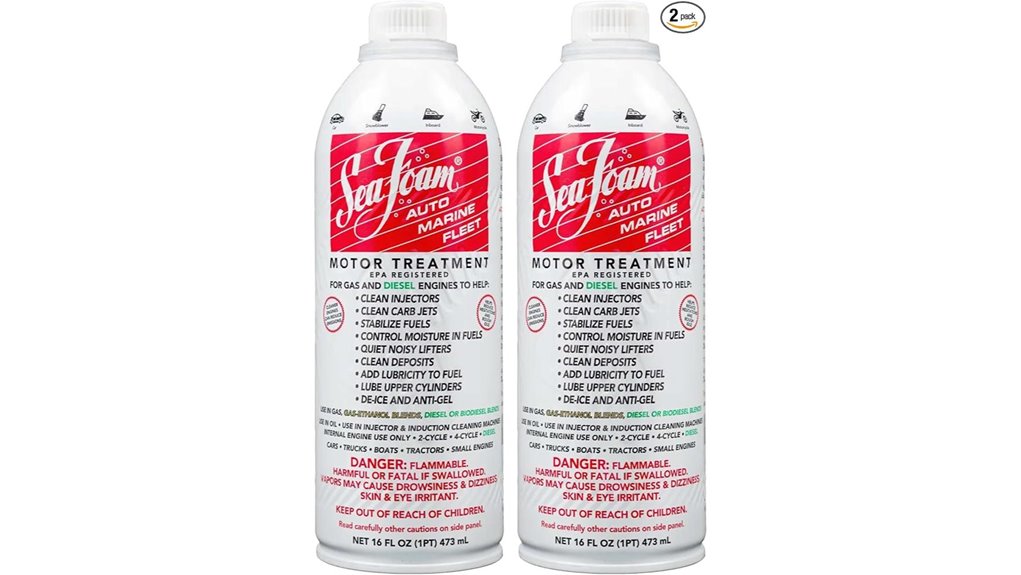
Sea Foam Motor Treatment Fuel System Cleaner Pack of 2

fuel system cleaner pack

Sea Foam Motor Treatment is ideal for drivers needing a versatile cleaner for fuel and oil systems. This 16 oz pack of 2 serves as a fuel system cleaner, stabilizer, and oil treatment for cars, trucks, motorcycles, and generators. It cleans injectors, carburetor passageways, intake valves, and chamber areas, helping restore power, improve MPG, and sharpen throttle response in gasoline and diesel engines. It also breaks down varnish and residues, supports smoother idling, and cleans sludge from crankcases. Safe for E10, E85, and stored fuel, it can keep gasoline or diesel fresh for up to two years.

Best For: Drivers who want an all-in-one fuel system cleaner, stabilizer, and oil treatment for gasoline or diesel engines, especially for cars, trucks, motorcycles, generators, and stored vehicles.

Pros:

  • Cleans fuel injectors, carburetor passageways, intake valves, and combustion chamber areas.
  • Helps restore power, improve MPG, and smooth throttle response and idling.
  • Safe for E10, E85, gasoline, and diesel, with fuel stabilization up to 2 years.

Cons:

  • May not solve mechanical issues unrelated to fuel or oil contamination.
  • Results can vary depending on engine condition and severity of buildup.
  • Two 16 oz bottles may be more than some users need for a single treatment.

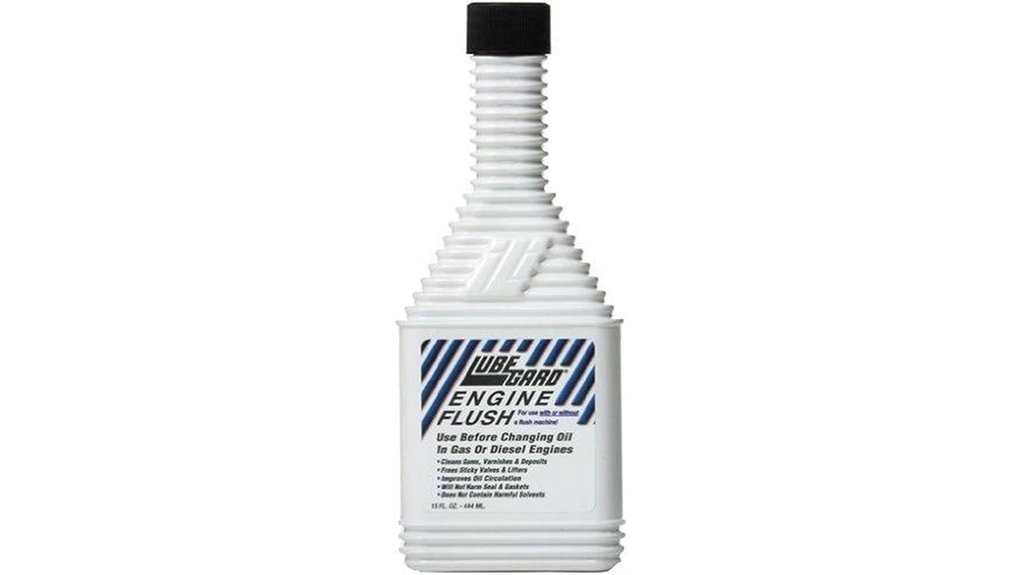
Lubegard 95030 Engine Flush, 15 oz.

engine flush for maintenance

Lubegard 95030 Engine Flush suits drivers needing a thorough pre-oil-change cleanup. This 15 oz. synthetic blend serves gas and diesel engines, using detergents and dispersants to lift varnish, sludge, and combustion by-products before fresh oil is added. It targets harmful 5-20 micron contaminants that filters often miss, helping reduce wear and improve lubrication. Non-abrasive and unscented, it contains no harmful solvents that might harm seals or gaskets. Users can idle it for 5-10 minutes, then drain and refill. High-mileage engines may require screen and pan inspection.

Best For: Drivers of gas or diesel vehicles who want a thorough pre-oil-change engine cleanup to remove sludge, varnish, and other hidden contaminants.

Pros:

  • Helps remove varnish, sludge, and combustion by-products before fresh oil is added.
  • Targets 5-20 micron contaminants that many filters miss, which can reduce wear.
  • Non-abrasive, unscented, and free of harmful solvents that could damage seals or gaskets.

Cons:

  • Requires an extra step before every oil change, which adds time and effort.
  • High-mileage engines may need inspection of the oil screen and pan after use.
  • Best results depend on following the idle-and-drain process correctly.

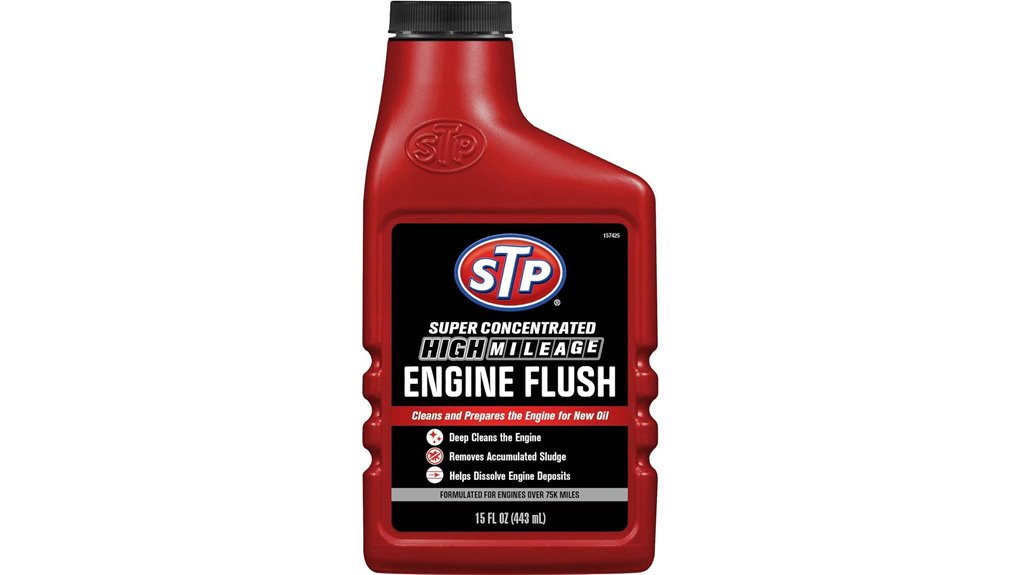
STP High Milage Engine Flush Formula, Oil Cleaner for Cars and Truck, 15 Oz

engine flush oil cleaner

STP High Mileage Engine Flush Formula suits cars and trucks with over 75,000 miles. This 15 oz oil cleaner uses a scientifically engineered, super concentrated blend to target engine buildup before an oil change. It actively removes deposits, helps dissolve sludge, and reduces varnish on cylinder heads. The formula is designed to be safe for seals, which supports older engines that may need added care. When used as directed, it is recommended at every oil change, making it a practical maintenance step for high-mileage vehicles seeking cleaner internal components and smoother operation.

Best For: Drivers of cars and trucks with over 75,000 miles who want a concentrated engine flush to help clean deposits and maintain older engines.

Pros:

  • Scientifically engineered, super concentrated formula for targeted cleaning
  • Helps remove sludge, varnish, and engine deposits
  • Safe for seals and recommended for use at every oil change when directed

Cons:

  • Intended primarily for high-mileage vehicles, so it may not be necessary for newer engines
  • Requires an oil change as part of the process
  • Only available in a 15 oz size, which may not suit every use case

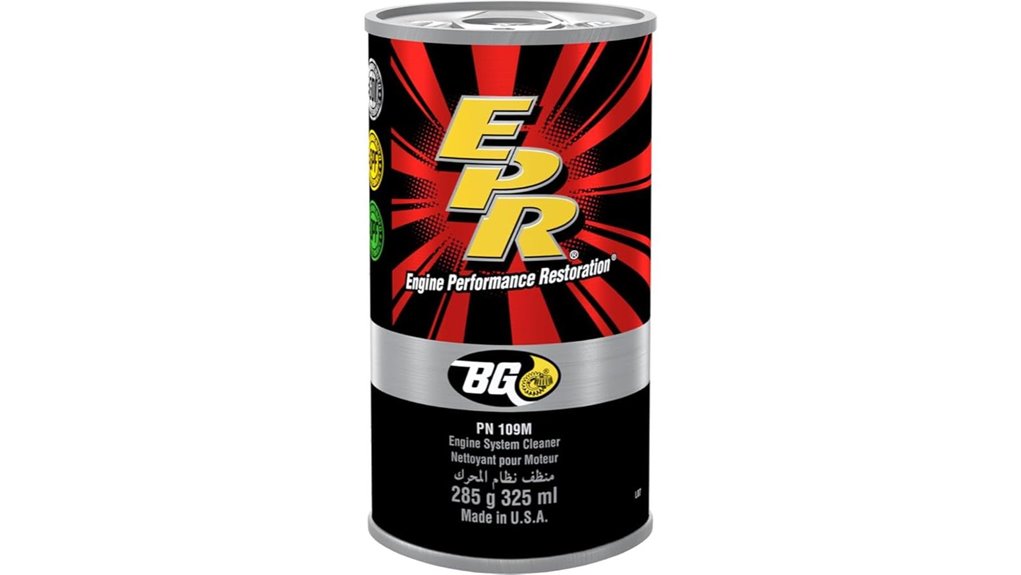
BG109 Compression Engine Performance Restore BG EPR

engine performance restoration solution

BG109 Compression Engine Performance Restore suits engines struggling with sludge and sticky internal deposits. BG EPR is an 11 oz. treatment designed to clean micro passageways, support hydraulic function in valve train actuators and turbochargers, and soften stubborn piston ring deposits. It is also used to help reduce excessive oil loss. Since its 2005 introduction, technicians have reported strong results, including improved compression after treatment. A Wichita technician noted quieter operation and better performance on a sludge-heavy 2006 Chevy 3.6L after two oil changes. Feedback from Nigeria and elsewhere also supports its broad effectiveness.

Best For: Engines with sludge buildup, sticky internal deposits, low compression, or excessive oil loss that need help restoring performance and hydraulic function.

Pros:

  • Cleans micro passageways to support valve train actuators and turbochargers.
  • Helps soften stubborn piston ring deposits and may improve compression.
  • Backed by positive technician reports and long-term real-world use.

Cons:

  • Designed for internal cleaning, so results may vary depending on engine condition.
  • May require more than one oil change to see noticeable improvement.
  • Not a substitute for mechanical repairs if an engine has severe damage.

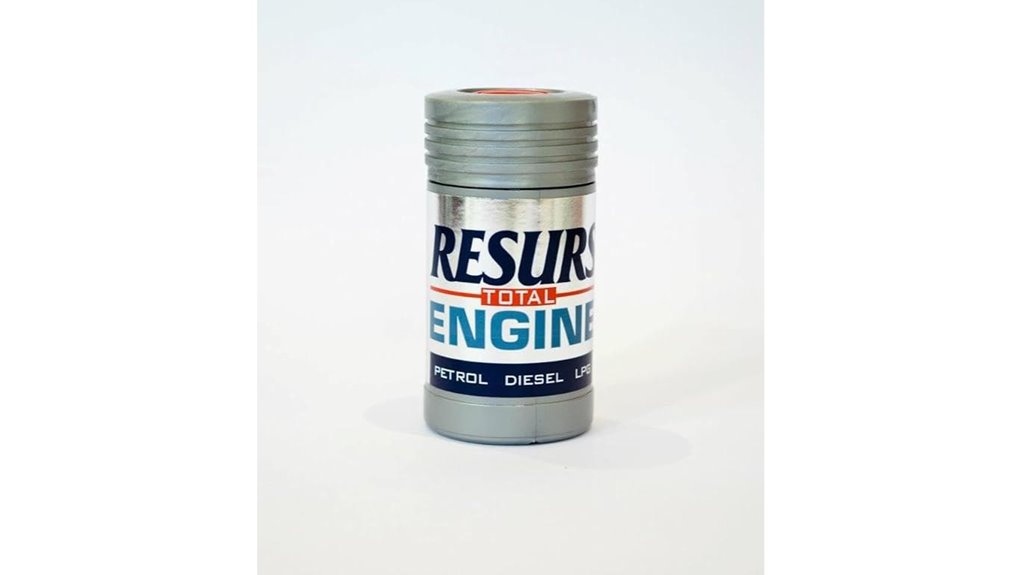
Engine Oil Additive for Petrol, Diesel, LPG Engines

engine oil performance enhancer

Ideal for drivers seeking broad compatibility, it suits petrol, diesel, and LPG engines alike. This 50 g engine oil additive uses nano technology to help restore and protect internal components. It can return worn parts toward factory characteristics by 70-95%, raise compression by up to 40%, cut fuel use by up to 7%, and reduce oil burning by as much as fivefold. It offers anti-wear protection, supporting longer engine life. Recognized among the Top 100 Best Russian Inventions, it was a 2017 bestseller and holds an American patent. Correct application is essential for best results.

Best For: Drivers with petrol, diesel, or LPG engines who want a nano-technology additive to help restore performance, improve protection, and reduce fuel and oil consumption.

Pros:

  • Broad compatibility across petrol, diesel, and LPG engines.
  • May restore worn parts, boost compression, and reduce fuel use.
  • Provides anti-wear protection and is backed by awards and a patent.

Cons:

  • Results may vary depending on engine condition and use.
  • Requires correct application to work effectively.
  • Benefits may be gradual rather than immediate.

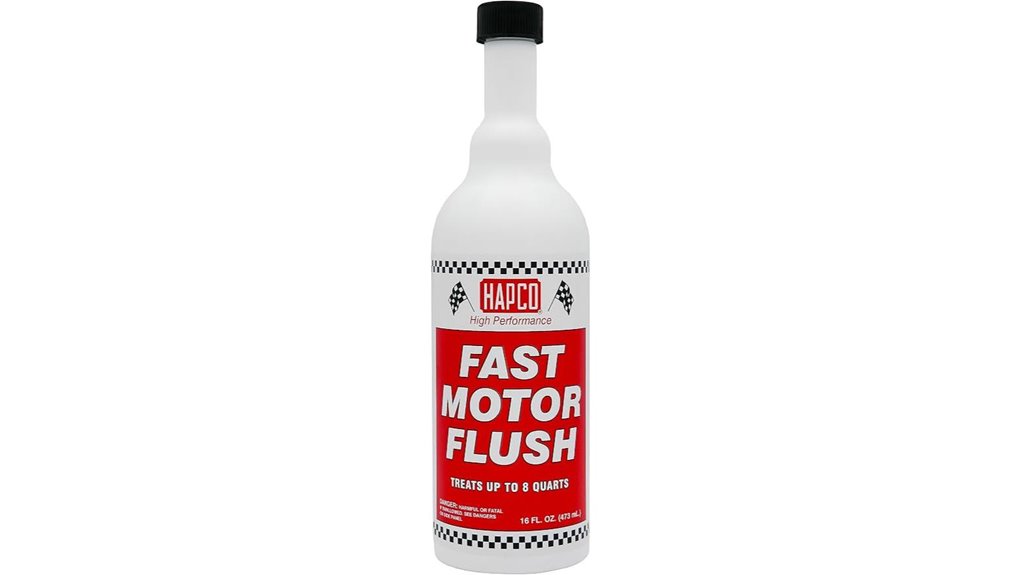
Products – Fast Motor Flush – 16 oz.

fast motor flush 16 oz

Hapco Fast Motor Flush suits drivers needing a quick, pre-oil-change cleaner for sludge and carbon buildup. The 16 oz. bottle is added to engine oil, then the engine is run for 15 minutes before the normal oil change. Its formula removes moisture, gum, sludge, and carbon from upper cylinder areas, oil lines, pump screens, piston rings, lifters, and valves. By reducing oil consumption, overheating, lifter noise, and wear, it can support better performance and longer engine life. It carries a 4.0-star average from 19 reviews and offers Amazon’s 30-day return guarantee.

Best For: Drivers looking for a quick pre-oil-change engine cleaner to help remove sludge, carbon buildup, and deposits while supporting better engine performance and longevity.

Pros:

  • Helps clean moisture, sludge, gum, and carbon from key engine areas.
  • Easy to use: add to oil, run the engine for 15 minutes, then complete the oil change.
  • May help reduce oil consumption, overheating, lifter noise, and engine wear.

Cons:

  • Requires an oil change immediately after use, so it’s not a standalone treatment.
  • Best results depend on proper timing and following the instructions closely.
  • Some users may prefer a more comprehensive engine maintenance solution than a flush additive.

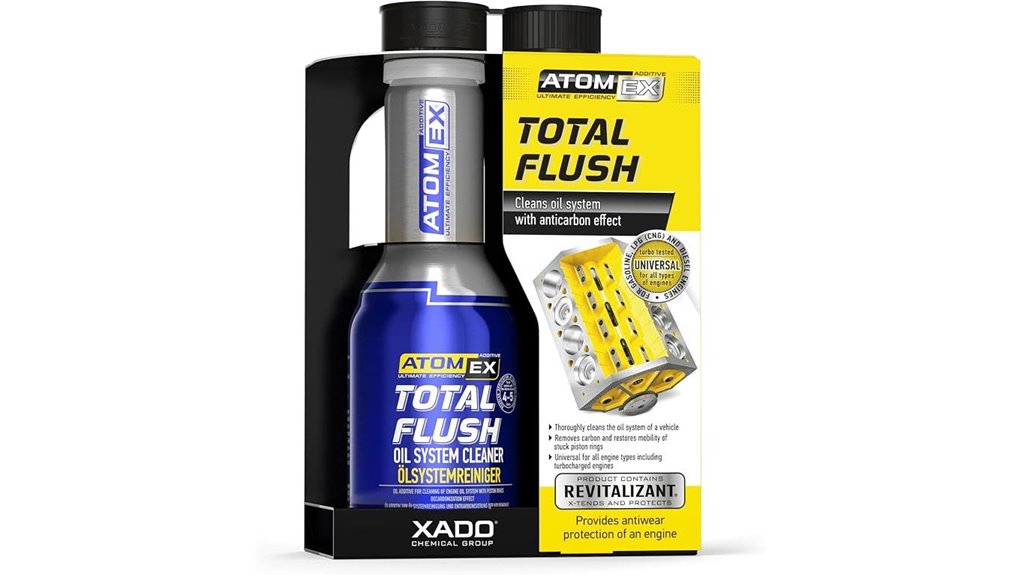
XADO Engine Oil System Cleaner (250ml)

engine oil system cleaner

XADO Engine Oil System Cleaner with Anti-Carbon Effect suits drivers needing deep sludge and deposit removal before an oil change. The 250 ml liquid formula is designed for all engine types, including turbo-supercharged units, and targets sludge, gunk, and carbon buildup in the oil system. Its revitalizant helps form a protective barrier that supports engine health after cleaning. Application is straightforward: add it to the oil before draining. XADO’s 20-plus years in engine care add credibility, while the clean material type and metal-surface focus align with practical maintenance needs for cleaner, more efficient operation.

Best For: Drivers looking for a pre-oil-change engine cleaner that helps remove sludge, deposits, and carbon buildup across all engine types, including turbocharged engines.

Pros:

  • Deep-cleans the oil system by targeting sludge, gunk, and carbon deposits.
  • Suitable for a wide range of engines, including turbo-supercharged units.
  • Easy to use: simply add to the oil before draining.

Cons:

  • Needs an oil change afterward, so it’s not a standalone maintenance solution.
  • Best results depend on how much buildup the engine already has.
  • Only 250 ml, which may feel limited for larger or heavily used engines.

Factors to Consider When Choosing Engine Flush 2026: Clean Sludge and Restore Power

Selecting an engine flush in 2026 begins with cleaning strength, since the product must remove sludge without overworking the system. It also depends on engine type compatibility, seal safety, and the additive formulation used to protect internal parts during treatment. Ease of use matters as well, because a straightforward application can make routine sludge removal more practical and consistent.

Cleaning Strength

Cleaning strength should be a top priority when choosing an engine flush, because the best products can dissolve sludge, varnish, and carbon deposits that restrict performance. Strong formulas help clear impurities that build up during normal operation and can target particles as small as 5 to 20 microns, which standard filters may miss. Detergents and dispersants improve results by breaking apart stubborn residues and suspending them for removal during the oil change. When cleaning is effective, oil flows more freely, lubrication improves, and engine efficiency can recover. Over time, that support may also contribute to longer service life. Some flushes are designed to protect seals and gaskets while cleaning, allowing aggressive deposit removal without compromising critical engine components.

Engine Type Compatibility

Beyond cleaning strength, engine type compatibility deserves close attention when choosing an engine flush. Products are commonly formulated for gasoline, diesel, and LPG engines, allowing them to serve a broad range of vehicles. Even so, the label should be checked carefully, because some engines have special needs. Turbocharged and supercharged units may require flushes approved for their operating conditions, while vehicles equipped with catalytic converters need a product that will not compromise those components during oil-system cleaning. Many modern formulas are also neutral to common engine materials, supporting safe use across different designs. Following the manufacturer’s recommended procedure remains essential, since correct application helps preserve engine health and guarantees the flush works as intended in the specific engine type.

Seal Safety

Seal safety is a crucial factor when choosing an engine flush, and the label should clearly state that the formula is neutral to seals. Products with this designation are less likely to degrade rubber or plastic seals, helping preserve engine integrity during sludge removal. Compatibility with catalytic converters also matters, since poorly formulated chemicals can damage emissions hardware. A seal-safe flush should be non-abrasive, reducing the chance of wear while cleaning deposits from internal surfaces. Regular use of such a product can help limit leaks and support longer gasket life. Buyers should verify that the manufacturer explicitly lists seal compatibility rather than assuming protection. Clear labeling offers a practical safeguard, especially in engines with aging components or mixed-material sealing systems.

Additive Formulation

Effective engine flush formulations typically combine synthetic blends, detergents, and dispersants to dissolve sludge and varnish buildup without overstating their action. The most effective products are engineered to loosen deposits that accumulate in oil passages, lifters, and other narrow areas where contamination can restrict flow. Some formulations target particles as small as 5 to 20 microns, helping address material that standard filtration may not capture. Compatibility with engine metals and seals remains important, since a balanced additive package should clean without provoking corrosion or swelling. Certain blends also support restored oil circulation and lubrication, which can improve efficiency and reduce wear. Advanced versions may add anti-carbon agents and revitalizants, extending component protection after the flush and supporting longer-term engine health.

Usage Ease

After considering how different additives clean sludge and varnish, ease of use becomes another key factor in choosing an engine flush. Most products are intended for simple addition to the engine oil system before an oil change, which helps keep routine maintenance straightforward. Many formulations need only a brief idle period, usually 5 to 15 minutes, allowing the cleaner to circulate without demanding a long service interval. User-friendly packaging also matters, since convenient bottle sizes support accurate dosing and reduce mess during application. Compatibility is another advantage, because most flushes are made to work with a wide range of engine types without harming seals or internal materials. Some options are tailored to particular vehicle needs, but the overall emphasis remains on practical, low-effort use.

Mileage Suitability

Mileage suitability matters because engine flush products are often formulated for specific odometer ranges, especially high-mileage vehicles over 75,000 miles that tend to accumulate sludge and varnish. These formulations usually include stronger cleaning agents intended to break down heavier deposits that standard maintenance may leave behind. Matching the flush to the vehicle’s mileage and condition helps improve oil flow, restore performance, and support longer engine life. This is especially relevant for gasoline and diesel engines with visible wear or restricted lubrication paths. Some products are engineered to target impurities that filters can miss, making them more effective in older engines. Choosing an overly aggressive flush for a lightly used engine can be unnecessary, while an underpowered one may not address severe buildup.

Frequently Asked Questions

How Often Should I Use an Engine Flush on High-Mileage Vehicles?

On high-mileage vehicles, engine flush should be used sparingly, usually only when sludge buildup is suspected or during a maintenance plan recommended by a mechanic. Frequent use is unnecessary and can dislodge debris that causes problems. Many engines do better with regular oil and filter changes instead. If the vehicle has been well maintained, flushes may never be needed. Service intervals and oil condition should guide the decision, not mileage alone.

Can Engine Flush Damage Seals or Gaskets in Older Engines?

Yes, engine flush can damage seals or gaskets in older engines if sludge has been masking worn parts. A strong cleaner may loosen deposits too quickly, exposing brittle rubber or degraded cork and causing leaks. In a well-maintained engine, the risk is lower, but caution is still advisable. Older engines often benefit more from gentle oil changes and inspection than aggressive flushing, especially when maintenance history is unknown.

Is Engine Flush Safe for Turbocharged or Hybrid Engines?

Like a scalpel, engine flush can be precise or harmful. It is generally safe for turbocharged or hybrid engines when the product is compatible and the procedure is followed exactly. Turbochargers and hybrid systems often rely on clean oil passages, so overuse, harsh formulas, or neglected oil changes can create risk. A technician’s guidance and the manufacturer’s specifications should be checked before using any flush in these engines.

Should I Use Engine Flush Before or After an Oil Change?

It is generally best to use engine flush before an oil change, while the old oil is still in the engine. The flush is added, the engine idles for the specified time, and then the contaminated oil is drained immediately. Fresh oil and a new filter are installed afterward. Using flush after an oil change is usually unnecessary and can dilute new oil, reducing its protective effectiveness.

How Long Should the Engine Idle During a Flush Treatment?

Typically, the engine should idle only the amount specified on the flush product label, often 10 to 15 minutes; anything longer can become a needless gamble with seals and lubrication. A careful observer would note that idling beyond instructions offers no grander cleansing miracle. After the prescribed time, the engine should be shut off and the oil changed promptly, since leaving the flush in place too long may do more harm than good.

Conclusion

In the end, choosing the right engine flush is like giving a tired heart a revitalizing breath of clean air. Whether it is Liqui Moly, Sea Foam, Lubegard, or another trusted formula, each helps wash away sludge’s heavy coat and let the engine move with renewed strength. The best pick depends on the vehicle’s needs, mileage, and fuel type, but all aim for the same result: a cleaner, smoother, longer-lasting ride.

Vance Ashford

Vance brings extensive knowledge in tire specifications, auto accessories, and parts reviews, helping you find the right gear for your vehicle’s safety and performance.

Leave a Comment

Your email address will not be published. Required fields are marked *