The best cabin air filter is the one made for your exact vehicle: fit comes first, then odor control (activated carbon) or finer particle capture (HEPA-rated media). Of the five filters below, Bosch 6057C is the pick for fine-particle capture, FRAM CF10134 and EPAuto CP285 are carbon-style filters for Honda/Acura and Toyota/Lexus/Subaru applications, and ACDelco CF188 is the GM OEM-style option.
Disclosure: As an Amazon Associate we earn from qualifying purchases. If you buy through links on this page we may earn a commission at no extra cost to you.
This guide is based on manufacturer and retailer specifications, not hands-on testing. Always confirm fit with your year, make, model and engine on the listing before you order.
Quick answer
- Best for fine particles: Bosch 6057C HEPA (designed to HEPA standards per the listing).
- Best for odors in Honda/Acura: FRAM Fresh Breeze CF10134 (baking soda plus carbon).
- Best for Toyota, Lexus and Subaru: EPAuto CP285 (CF10285) activated carbon.
- Best OEM-style for GM: ACDelco CF188 for select Cadillac, Chevrolet and GMC models.
- Best for Kia Soul: Spearhead BE-002 with coconut-shell carbon.
Cabin air filter comparison
| Filter | Media | Typical fit | Link |
|---|---|---|---|
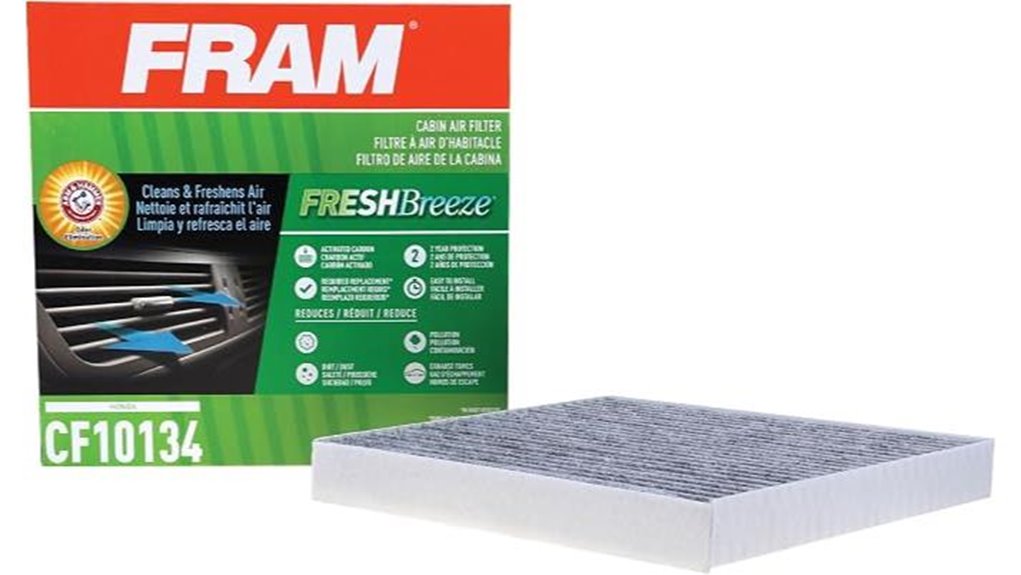 FRAM Fresh Breeze CF10134 |
Baking soda and carbon | Many Honda and Acura models | See it on Amazon |
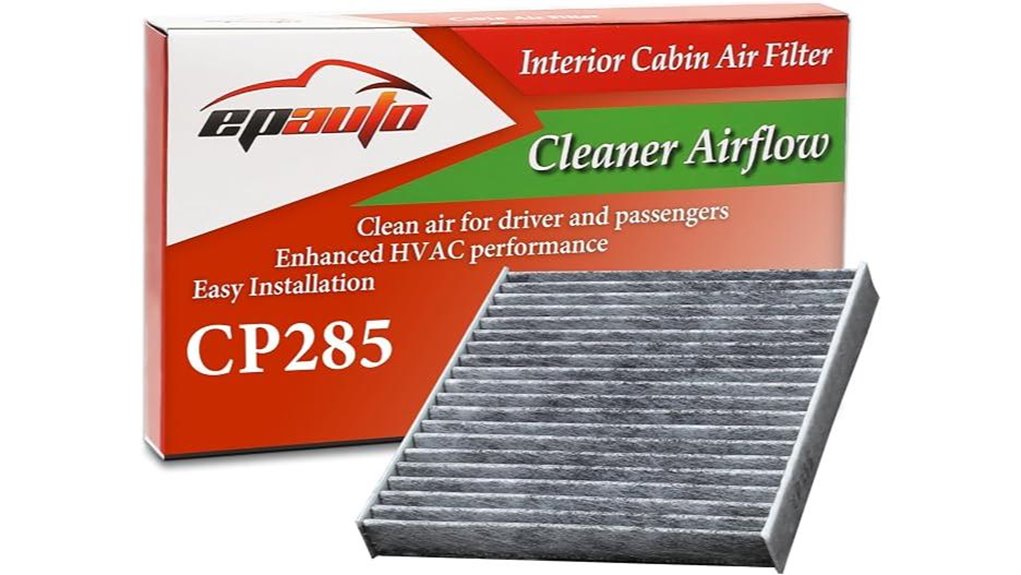 EPAuto CP285 (CF10285) |
Activated carbon | Toyota, Lexus, Subaru and others | See it on Amazon |
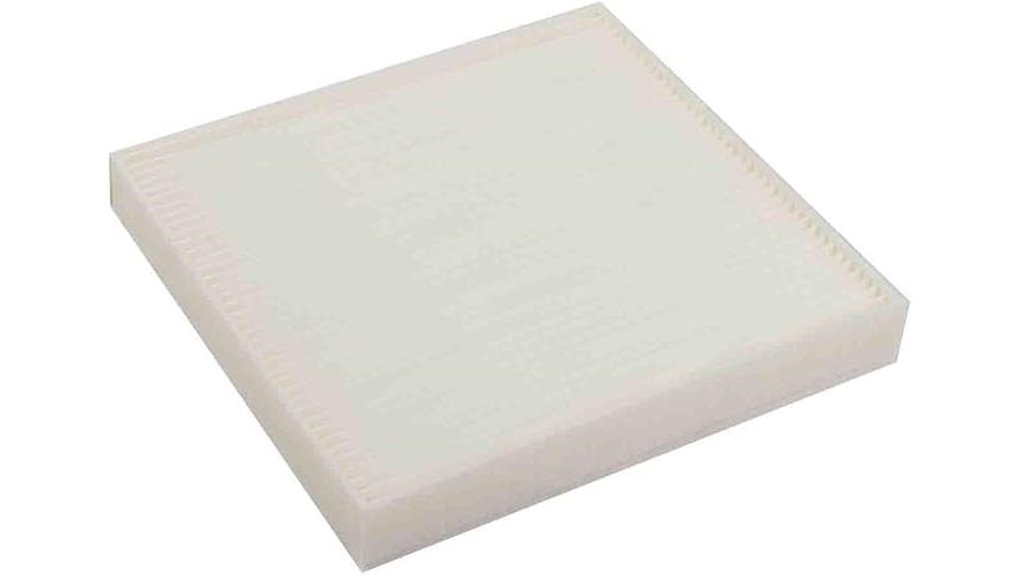 ACDelco CF188 |
Multi-layer particulate media | Select Cadillac, Chevrolet, GMC | See it on Amazon |
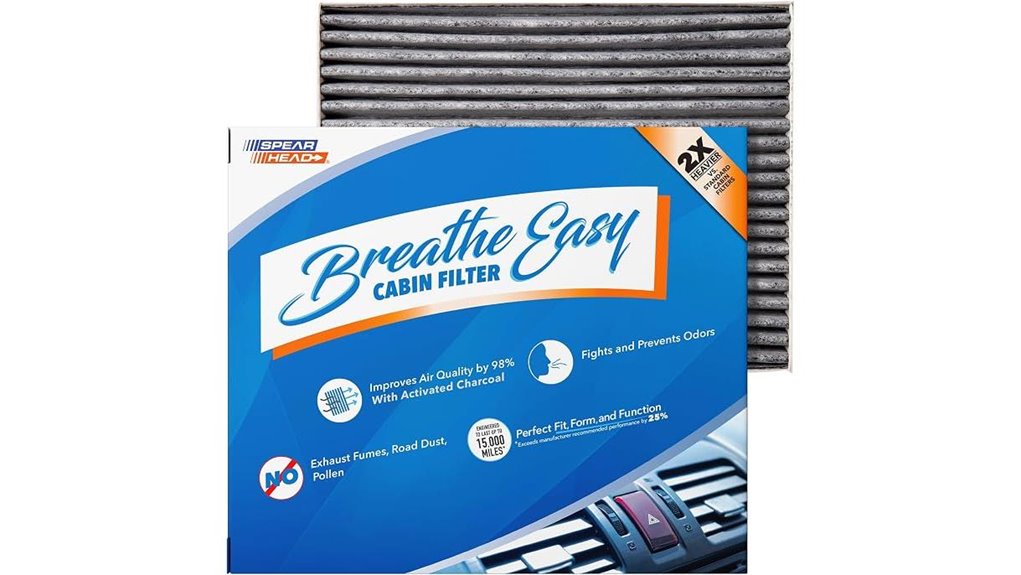 Spearhead BE-002 |
Electrostatic media with coconut-shell carbon | 2014-2019 Kia Soul and 2015-2019 Soul EV | See it on Amazon |
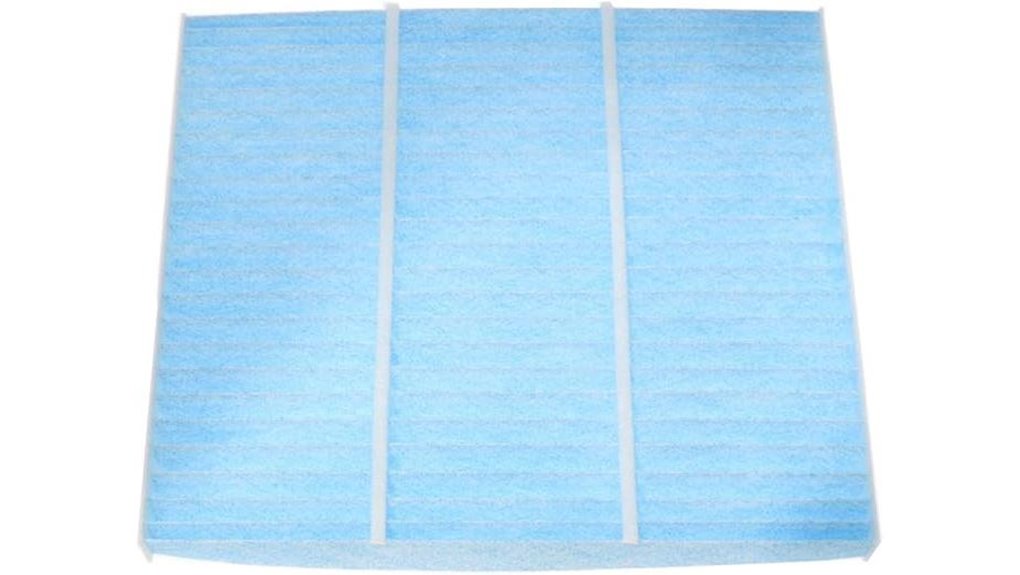 Bosch 6057C HEPA |
Three-layer HEPA-standard media | Check the fit tool for your vehicle | See it on Amazon |
FRAM Fresh Breeze CF10134
Fits: Honda Accord, CR-V, Pilot, Civic and Odyssey plus Acura MDX, TLX and RDX across many model years, per retailer fitment lists.
FRAM combines baking soda and carbon in the media to cut outside odors, and states that it catches up to 98% of dust, pollen and other contaminants. On most of these vehicles the filter sits behind the glove box, a job many owners finish in about 15 minutes.
Pros: Odor control, wide Honda/Acura coverage, easy glove-box access.
Limitations: Fits only specific models and years; a dusty or smoggy commute means shorter change intervals.
EPAuto CP285 (CF10285)
Fits: Many Toyota, Lexus and Subaru models, with some Jaguar, Land Rover, Scion and Ford Transit applications listed. Verify your vehicle on the listing.
This is an activated-carbon filter aimed at drivers who notice exhaust or road smells in the cabin. It is an aftermarket alternative to the dealer part, which makes it a practical choice for routine replacement.
Pros: Activated carbon, broad Toyota/Lexus/Subaru coverage, simple swap.
Limitations: Cross-fitment lists are long, so confirm the exact year and engine; carbon performance depends on how long the filter has been in service.
ACDelco CF188
Fits: Select Cadillac, Chevrolet and GMC models; check the ACDelco catalogue for your VIN.
ACDelco describes this as an original-equipment style filter with multi-layer, non-woven media designed to hold particles while keeping airflow up. It suits owners who want a GM-branded part without a dealer visit.
Pros: OEM-style fit, designed to protect airflow.
Limitations: Limited to listed GM applications; it is a particulate filter and is not marketed on odor control.
Spearhead BE-002 Odor Defense
Fits: 2014-2019 Kia Soul and 2015-2019 Kia Soul EV, matching CF12002 and 97133-B2000 references per the listing.
Spearhead pairs electrostatic media with coconut-shell activated carbon to target road debris and odors. If you drive a Soul, it is the most tightly matched filter in this group.
Pros: Model-specific fit, carbon for odor control.
Limitations: Fits a narrow range of vehicles; useless if your car is not on the list.
Bosch 6057C HEPA
Fits: Vehicle fitment varies; use the listing fit tool or Bosch catalogue to confirm.
Bosch says this filter is designed and tested to meet HEPA standards under ISO 29463-3:2011, with 99.97% capture of 0.3 micron particles. The three-layer design uses a melt-blown electrostatic layer. It suits allergy-prone drivers and wildfire-smoke seasons.
Pros: Fine-particle capture, layered construction.
Limitations: HEPA-grade media can restrict airflow slightly in weak blowers, and its fit list is narrower than carbon filters.
How to choose the best cabin air filter
- Fit: match year, make, model and engine. Use the part number in your owner’s manual if you have it.
- Media: particulate filters stop dust and pollen; carbon adds odor control; HEPA-rated media targets very fine particles.
- Airflow: if your fan sounds strained, do not stack a denser filter on a weak blower.
- Replacement interval: follow the manual, usually once a year or about every 15,000 to 25,000 km, sooner on dusty roads or in heavy traffic.
Canadian note: winter road salt, spring pollen and summer smoke can all load a filter quickly, so many owners swap it in the fall. Pair it with a fresh engine filter; see our engine air filter guide.
How to replace a cabin air filter
- Find the filter housing, usually behind the glove box or under the cowl.
- Empty the glove box and release its stops so it swings down.
- Open the filter door and note the airflow arrow on the old filter.
- Slide the old filter out and clear leaves from the housing.
- Insert the new filter with the arrow pointing the same way, then close everything up.
Related reading: best car vacuums for a spotless interior and best car interior cleaners help keep dust out of the cabin.
Frequently asked questions
How often should I replace a cabin air filter?
Most manufacturers suggest about once a year or every 15,000 to 25,000 km. Replace it sooner if airflow drops or odors appear.
Can a cabin air filter help with allergies?
A fresh particulate or HEPA-style filter can reduce pollen and dust entering the cabin, but it will not remove every allergen.
Do HEPA cabin filters fit every vehicle?
No. Fit depends on the filter size and housing, so confirm your vehicle on the listing before buying.
Will a clogged cabin air filter affect AC performance?
Yes. A clogged filter restricts airflow, so the heater and AC feel weaker and the fan may get louder.
Can I wash and reuse a cabin air filter?
Most paper and carbon cabin filters are disposable. Only filters sold as washable should be cleaned and reused.