
Choosing the right oil filter can shape how well an engine holds up over time. In 2027, a few models stand out for fit, filtration, and durability, including options from Beck/Arnley, K&N, Denso, and WIX. Each brings a different balance of protection and service life, which makes the decision less simple than it seems. The details behind those differences may matter more than many drivers expect.
Beck/Arnley 041-8707 Oil Filter
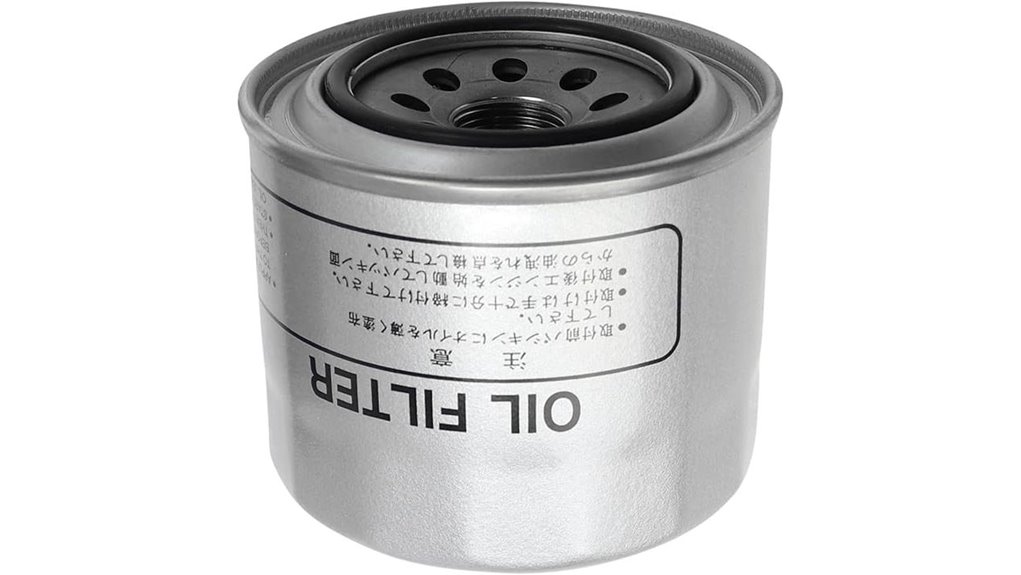
The Beck/Arnley 041-8707 Oil Filter is a strong fit for drivers who want an OE-style replacement that matches factory specifications in form, fit, and function. It is vehicle-specific and application-specific, with interchangeability for original equipment parts. The filter is designed for synthetic and conventional oils, and its high-quality synthetic construction supports reliable performance. A drainback valve is included where applicable. The unit measures 4 x 4 x 4 inches and uses thread size 0418707. One funnel is included, and warranty details are provided separately.
Best For: Drivers looking for a vehicle-specific, OE-style oil filter replacement that works with both synthetic and conventional oils.
Pros:
- Matches OE specifications for form, fit, and function
- Includes a drainback valve where applicable for added performance
- High-quality synthetic construction and one funnel included
Cons:
- Compatibility is limited to specific vehicles and applications
- Warranty details are not included directly and must be checked separately
- Thread size designation may be confusing without vehicle verification
K&N Premium Oil Filter (HP-1005)
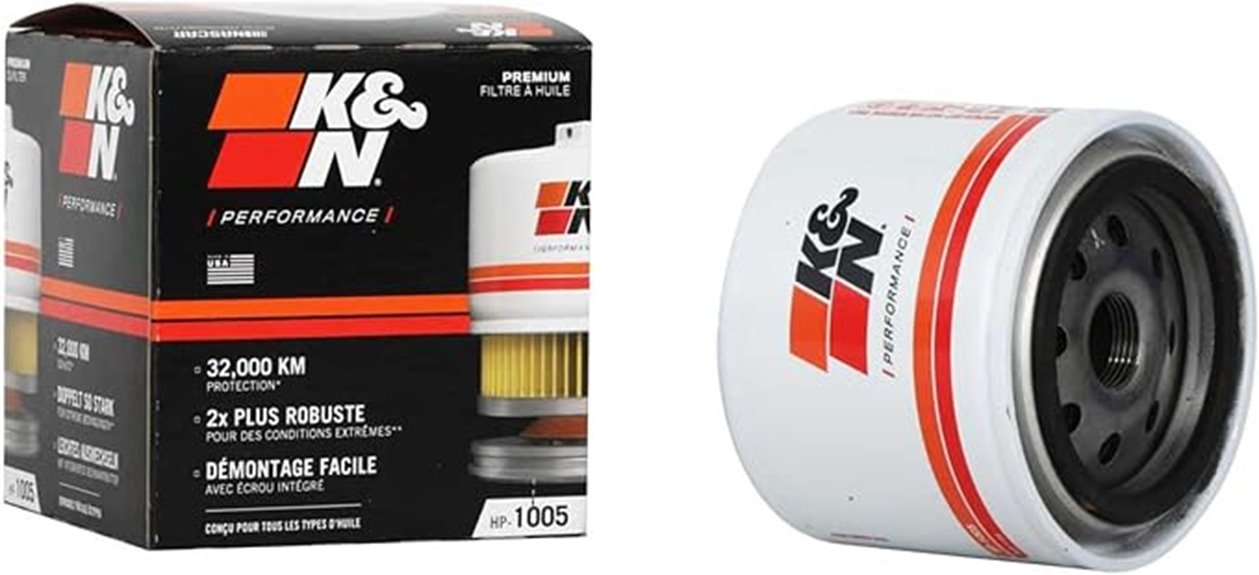
Built for select EAGLE, MITSUBISHI, DODGE, and PLYMOUTH engines, the K&N Premium Oil Filter (HP-1005) suits drivers needing durable, high-flow protection. Its pleated synthetic-blend media helps remove harmful contaminants while maintaining consistent oil delivery with synthetic, conventional, or blended oils. A heavy-duty steel canister adds strength, and extensive laboratory testing supports its capacity and burst resistance. The one-inch welded hex nut simplifies Wrench-Off removal, and its design supports longer manufacturer-recommended service intervals. Backed by a 1-year limited warranty, it fits select 1991-1993 applications.
Best For: Drivers of select 1991–1993 EAGLE, MITSUBISHI, DODGE, and PLYMOUTH vehicles who want a durable, high-flow oil filter with easy removal and support for longer service intervals.
Pros:
- High-flow design with pleated synthetic-blend media helps maintain oil delivery while removing harmful contaminants.
- Heavy-duty steel canister and lab testing add confidence in durability, capacity, and burst strength.
- One-inch welded hex nut makes Wrench-Off removal quick and easy.
Cons:
- Fitment is limited to select vehicle applications, so compatibility must be checked carefully.
- Premium construction may be more than needed for basic or infrequent oil changes.
- Designed around manufacturer-recommended longer service intervals, which may not suit every maintenance preference.
Denso Engine Oil Filter – 150-2043
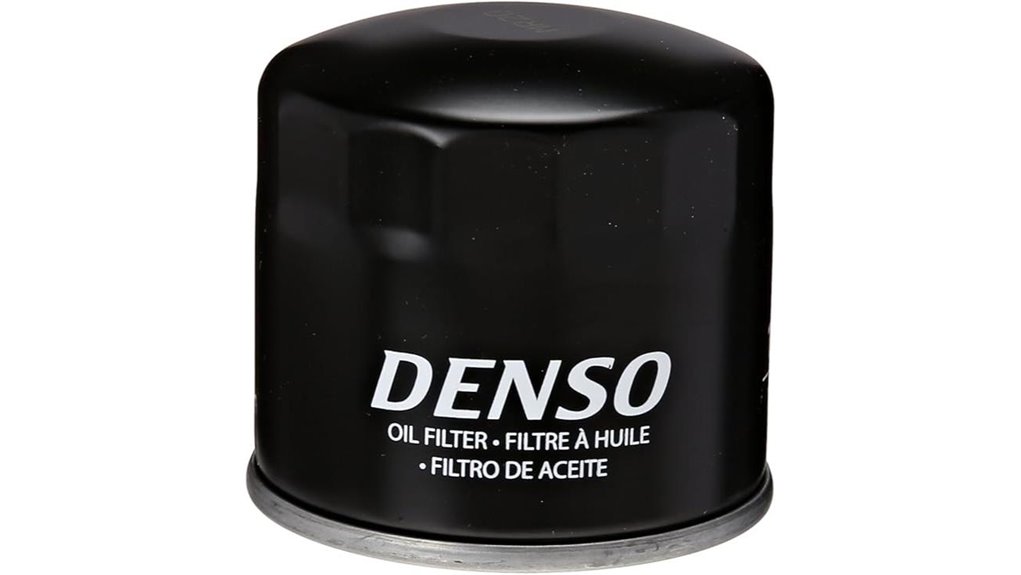
Denso’s 150-2043 oil filter suits drivers needing a vehicle-specific replacement for select cars and trucks. This performance-grade filter uses a steel housing and likely cellulose or fiberglass media to support routine engine protection. It replaces several OE and aftermarket part numbers, including 1230A152 and MD030795, which may simplify cross-reference matching. Compact dimensions and a 0.79 thread size indicate a focused fitment profile. Manufactured in Canada, the unit includes one filter per pack. A 30-day manufacturer warranty and Amazon’s voluntary 30-day return policy provide limited purchase coverage for buyers.
Best For: Drivers of select cars and trucks who need a vehicle-specific Denso oil filter replacement with broad cross-reference compatibility.
Pros:
- Replaces multiple OE and aftermarket part numbers, making fitment matching easier.
- Vehicle-specific design and compact size support a targeted, reliable installation.
- Includes a 30-day manufacturer warranty plus Amazon’s 30-day return guarantee.
Cons:
- Fitment is limited to specific vehicles, so compatibility must be checked carefully.
- Warranty coverage is short compared with some alternatives.
- Media type is only likely cellulose or fiberglass, so exact filtration details aren’t fully specified.
WIX 51085XP XP Oil Filter Replacement for Synthetic Oil
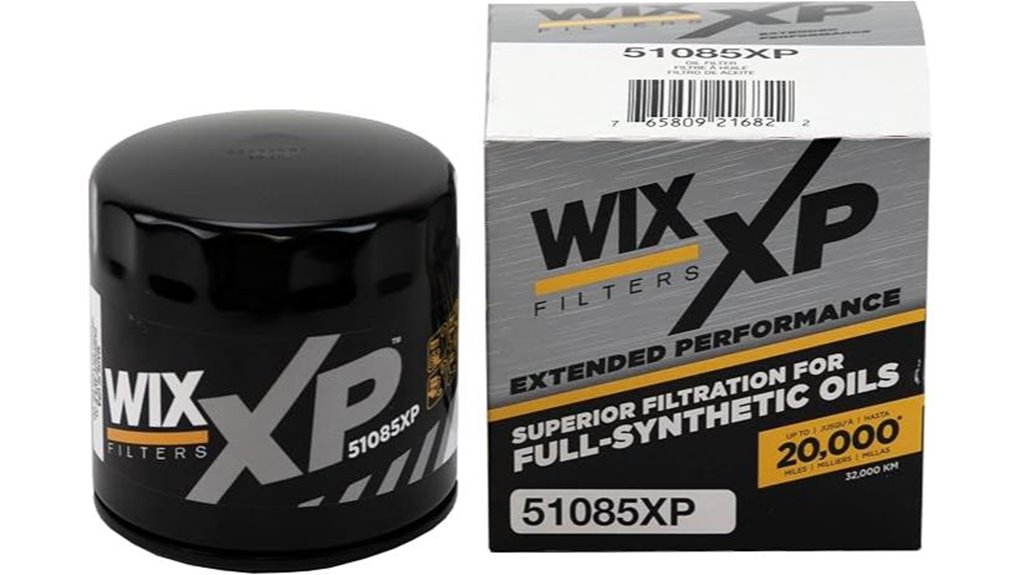
For drivers running synthetic oil, the WIX 51085XP offers durable, high-efficiency filtration. Built for Chrysler, Dodge, Jeep models from 1991 to 2008 and Mitsubishi Eclipse applications from 1995 to 1999, it uses advanced synthetic-blended media with natural fibers to handle severe conditions. The design reaches 99% efficiency at 23 microns and does not require wire backing. It is rated for up to 20,000-mile intervals, exceeding OE expectations. Precise fit supports quick installation for DIY users and professionals. Vehicle fitment should be confirmed with the part finder tool before purchase.
Best For: Drivers using synthetic oil who need a high-efficiency, long-life replacement filter for compatible Chrysler, Dodge, Jeep, or Mitsubishi Eclipse vehicles.
Pros:
- High filtration efficiency at 99% for 23-micron particles
- Built for severe conditions and synthetic oil use
- Supports extended service intervals of up to 20,000 miles
Cons:
- Only fits specific Chrysler, Dodge, Jeep, and Mitsubishi Eclipse applications
- Fitment should be verified before purchase
- May be more than needed for drivers not using synthetic oil
Factors to Consider When Choosing Oil Filters 2026: Top Picks to Protect Your Engine

Choosing an oil filter in 2026 starts with filter media quality, vehicle fitment, oil compatibility, filtration efficiency, and service interval length. These factors determine how well the filter protects the engine and how reliably it matches the vehicle’s needs. A careful comparison of top picks can help identify options that offer strong protection and lasting performance.
Filter Media Quality
Filter media quality is a key measure of how well an oil filter protects an engine, since superior media captures more contaminants without restricting flow. Synthetic-blend media often outperforms conventional material by trapping finer particles while preserving circulation. Pleated designs add surface area, which increases dirt-holding capacity and helps the filter stay effective longer. In high-performance models, efficiency can reach 99% at 23 microns, meaning very small debris is removed before it can accelerate wear. Strong media also supports steady oil flow, an important factor for lubrication and overall performance. Because advanced media loads more contaminant before clogging, it can extend service intervals and support longer oil-change periods without sacrificing protection.
Vehicle Fitment
Vehicle fitment is a critical factor in oil filter selection because the correct match helps guarantee proper engine protection and reliable performance. Each filter is engineered for specific makes and models, so a precise match reduces the risk of leaks, poor sealing, and engine damage. Part interchange listings are useful for confirming whether an alternative filter meets the vehicle’s requirements. Fit also affects installation, since a filter should allow straightforward removal and secure tightening for both do-it-yourself users and professional mechanics. Manufacturers often supply online lookup tools, catalogs, or fitment guides to simplify the selection process. When the correct filter is chosen, compatibility checks become easier, installation is cleaner, and the engine benefits from dependable support over time without unnecessary complications or maintenance setbacks.
Oil Compatibility
Oil compatibility should be checked before selecting an oil filter, since the filter must work with synthetic, conventional, or blended oil to deliver proper engine protection and performance. Many filters are built for both synthetic and conventional oils, but the specification still needs confirmation before purchase. A mismatch can affect lubrication support and reduce overall reliability. Some high-performance designs are rated for longer service intervals, which can suit drivers using synthetic oil and extended drain schedules. Vehicle make and model also matter, because the correct filter must fit and function as intended. Product details should be reviewed carefully to verify oil type support, service interval guidance, and application fit before installation. This approach helps guarantee the filter matches the engine’s needs without unnecessary risk.
Filtration Efficiency
Once the correct oil type and fit are confirmed, filtration efficiency becomes the next key measure of an oil filter’s value. High-quality filters can capture up to 99% of particles as small as 23 microns, helping limit abrasive debris that can accelerate engine wear. Media construction matters as well: synthetic-blend and cellulose-fiberglass designs generally improve contaminant removal compared with basic materials. Pleated elements add surface area, increasing dirt-holding capacity while maintaining flow through the filter media. Some models are engineered for severe conditions, preserving effective filtration during extreme temperatures and demanding driving. Consistent replacement also supports stable oil flow, which helps protect bearings, cams, and other critical parts from contamination-related damage. Efficient filtration is thus central to long-term engine reliability and cleanliness.
Service Interval Length
Service interval length is a practical measure of an oil filter’s value, since replacement schedules can vary widely by design and operating conditions. Standard oil filters generally need replacement every 3,000 to 5,000 miles, particularly with conventional oil. By contrast, some filters built for synthetic oil use can remain effective for as long as 20,000 miles, depending on the engine and driving conditions. High-flow oil filters may also support longer intervals by maintaining performance while reducing restriction. Even so, longer service life should not override the manufacturer’s recommendations. Regular inspection remains important, because contaminants accumulate over time and can accelerate wear if the filter is left in place too long. The best choice balances durability, maintenance habits, and engine protection.
Frequently Asked Questions
How Often Should I Replace My Oil Filter?
It should usually be replaced every time the engine oil is changed, since the filter traps contaminants and loses efficiency over time. Some vehicles can use an oil filter for two oil-change intervals, but only if the manufacturer specifically allows it. Driving conditions, engine age, and oil type can shorten that schedule. A detached assessment would favor following the owner’s manual, because it gives the most reliable replacement interval.
Do Oil Filters Affect Fuel Economy?
Yes, oil filters can affect fuel economy, though only modestly. A clean, properly matched filter helps oil flow smoothly; a clogged or restrictive one can increase engine drag and reduce efficiency. Fresh filtration supports steady lubrication, while neglected filtration invites strain. The difference is often small, yet the contrast is clear: maintenance preserves performance, neglect erodes it. In practice, filter condition matters more than brand claims or marketing promises.
Can I Reuse an Oil Filter After Cleaning?
No, an oil filter generally should not be reused after cleaning. Its media traps fine contaminants that cannot be fully restored once loaded, and the internal valve and seals may also lose reliability. Reinstalling a cleaned filter can allow dirt to bypass and reach the engine. Replacing it with a new, correct filter is the safer choice. Some reusable performance filters exist, but they are specially designed and not typical disposable units.
What Happens if I Install the Wrong Filter Size?
Like a key forcing a mismatched lock, the wrong filter size can cause immediate trouble. It may not seal properly, leading to oil leaks, low pressure, or unfiltered oil circulating through the engine. In some cases, it can interfere with mounting, damage threads, or even fall off under vibration. The engine may overheat, wear faster, or fail prematurely if the mistake is left uncorrected.
Are Synthetic Oil Filters Better for Cold Starts?
Yes, synthetic oil filters are often better for cold starts because they usually flow oil more easily in low temperatures and maintain filtration efficiency while the engine warms. That can help reduce startup wear, when most engine damage occurs. However, filter quality depends on design, media, and bypass valve performance, so a well-made conventional filter may still perform adequately in mild climates and normal driving conditions.
Conclusion
In the end, these four oil filters stand out for different reasons, from OE-style fitment to strong filtration and extended service life. The Beck/Arnley, K&N, Denso, and WIX options each offer dependable engine protection for drivers with varying needs. When chosen to match the vehicle and oil type, any of these filters can help keep performance steady. A wise buyer remembers that, when it comes to engine health, an ounce of prevention is worth a pound of cure.