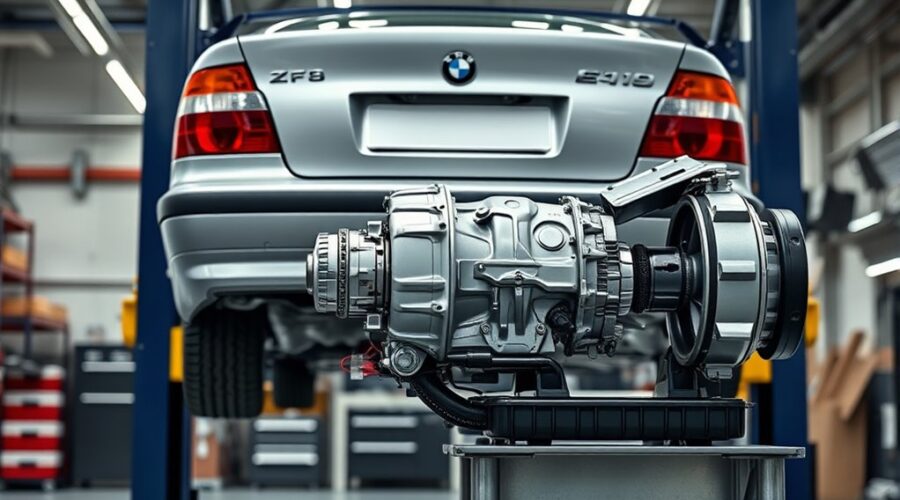
The BMW E39 automatic transmission varied by model and year, but the 1999 528i commonly used the ZF 5HP19 five-speed unit. Identification matters because fluid type, pan gasket design, and service parts are not universal. The gearbox is known for smooth shifts when maintained correctly, yet incorrect ATF or neglected service can shorten its life. A closer look at the tag and hardware reveals the exact specification.
Which Automatic Transmission Is in the E39?
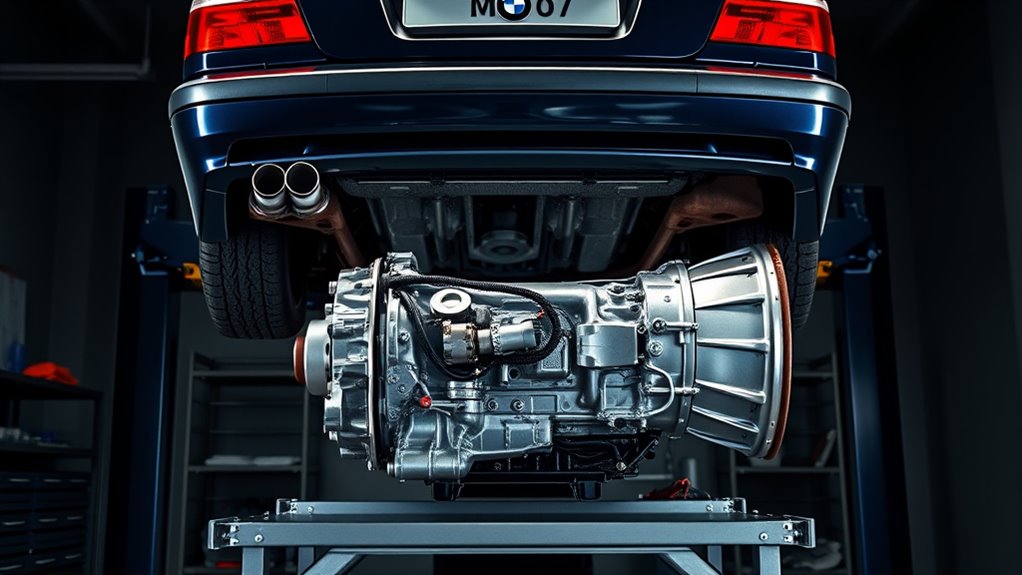
The 1999 BMW E39 528i is equipped with a 5-speed automatic transmission, typically identified as the ZF5HP19, also designated by BMW as the A5S325Z. This BMW gearbox is widely regarded for smooth shifts and dependable operation, qualities that support controlled, liberated driving without unnecessary mechanical harshness.
The ZF5HP19 uses specific automatic transmission fluid ATF, with Mobil LT71141 or ZF Lifeguard 5 commonly recommended; ATF+4 is not the correct specification for this unit. A paper pan gasket is fitted to seal the transmission sump and help prevent leaks.
The ZF5HP19 requires LT71141 or Lifeguard 5, with a paper pan gasket sealing the sump.
Proper service matters: fluid renewal and filter replacement preserve hydraulic stability, shift quality, and long-term durability. In the E39 platform, the transmission forms a critical link between engine output and road feel, and its maintenance directly influences refinement.
When correctly serviced, the BMW ZF5HP19 remains a durable, efficient component suited to disciplined operation.
How to Identify the BMW E39 Transmission
Identification of the BMW E39 automatic transmission begins with the transmission case itself, where a stamped tag or printed nameplate typically reveals the unit designation.
On a 1999 BMW E39 528i, the label often confirms a ZF 5HP19, also identified as A5S325Z. This direct method helps owners identify the transmission without guesswork, preserving mechanical autonomy and reducing dependence on poor advice.
If the case marking is absent or worn, parts catalogs and community references such as Realoem can corroborate the code against the vehicle specification.
Precise identification matters because fluid, filter, and gasket requirements can differ by model.
BMW E owners should note that LT71141 is generally the correct fluid for this gearbox, while ATF+4 is unsuitable.
Accurate transmission recognition supports correct service parts selection and disciplined maintenance.
ZF 5HP19 Basics for the 528i
On a 1999 BMW E39 528i, the ZF 5HP19 is a 5-speed automatic gearbox valued for smooth shifts and dependable service when maintained correctly. This transmission suits the M52 engine because its torque limit is about 400 Nm, leaving adequate reserve for normal use. Its adaptive control logic alters shift timing and firmness according to driver input, helping the car respond with precision instead of constraint.
| Attribute | Value | Significance |
|---|---|---|
| Gears | 5-speed | Balanced highway and city use |
| Torque capacity | 400 Nm | Matches 528i output |
| Control type | Adaptive | Refines shift behavior |
For owners seeking mechanical freedom, disciplined maintenance is essential: regular fluid service and the correct filter preserve hydraulic pressure, clutch function, and long-term transmission health. The ZF 5HP19 rewards proper care with stable operation and predictable performance.
The Correct BMW E39 ATF
For the 1999 BMW E39 528i, the correct automatic transmission fluid is BMW LT71141 or ZF Lifeguard 5, both specified for the ZF 5HP19 (A5S325Z) gearbox and selected to preserve hydraulic control, clutch engagement, and shift quality.
A BMW dealer may recommend another product, but the correct ATF remains the factory-approved transmission fluid for this unit. Its chemistry is matched to the valve body, friction material, and pressure regulation strategy used by ZF, helping the transmission deliver smooth, predictable operation.
Regular fluid replacement at the prescribed interval supports longevity, while proper level checking, performed at the specified temperature and procedure in the service manual, protects against aeration and starvation.
For drivers seeking mechanical freedom from avoidable wear, disciplined maintenance is essential. Using the specified fluid keeps the E39 528i’s automatic transmission operating as engineered, with stable shifting, reliable response, and reduced risk of premature internal damage, mile after mile, under varied conditions.
Why ATF+4 Is the Wrong Fluid
ATF+4 is not a suitable substitute for the BMW E39’s ZF5HP19 transmission, as it was formulated for Chrysler applications and does not match the required friction and thermal characteristics.
BMW fluid standards call for an LT71141-specification ATF, such as ZF Lifeguard 5 or Mobil LT71141, to maintain proper lubrication and shift quality.
Using ATF+4 can accelerate wear, raise operating temperatures, and increase the risk of premature transmission failure.
ATF+4 Misapplication
Misapplication of ATF+4 to the BMW E39’s ZF5HP19 automatic transmission is a known compatibility issue because the fluid was formulated for Chrysler applications, not for BMW’s required friction and thermal specifications. The ZF5HP19 is intended for LT71141, including Mobil LT71141 or ZF Lifeguard 5, which support correct shift control and heat removal.
| Fluid | Effect |
|---|---|
| ATF+4 | Poor friction match |
| LT71141 | Correct operation |
Using ATF+4 can increase wear, degrade shift quality, and accelerate failure, imposing costly repairs and limiting mechanical freedom. Community reports consistently associate the wrong fluid with transmission distress, reinforcing the technical need for specification compliance.
BMW Fluid Standards
BMW fluid standards for the E39’s ZF5HP19 automatic transmission require an ATF formulated to LT71141 specifications, since the transmission’s friction characteristics, lubrication demands, and thermal behavior were calibrated around that standard rather than Chrysler’s ATF+4.
In this regard, BMW fluid standards define the correct ATF fluid chemistry for stable clutch engagement, controlled slip, and consistent transmission performance.
ATF+4 may satisfy Chrysler units, yet it does not match the ZF5HP19’s intended operating profile; the result can be inadequate lubrication, elevated wear, shifting irregularities, and overheating.
Mobil LT71141 and ZF Lifeguard 5 are aligned with the required specifications and reflect manufacturer-driven engineering priorities.
Adhering to these requirements supports longevity, reliability, and freedom from avoidable repair costs.
ZF5HP19 Fluid Choice
For the ZF5HP19 used in the BMW E39 528i, fluid selection is not interchangeable: the transmission was engineered around LT71141-spec ATF, such as Mobil LT71141 or ZF Lifeguard 5, to maintain proper hydraulic pressure, clutch modulation, and shift consistency.
ATF+4, despite dealer misinformation, is a Chrysler fluid and is not valid for this zf5hp19. Its additive package and friction characteristics can disrupt fluid compatibility, causing harsh or delayed shifts, excess heat, and accelerated wear.
Correct fluid choice preserves valve body behavior, protects seals, and supports transmission longevity. Owners who verify the specification reclaim control from guesswork and reduce the risk of premature failure.
In practice, adherence to LT71141 is the technical safeguard for reliable operation, stable performance, and durable service life.
The Right Filter for Your E39 Transmission
Selecting the correct transmission filter is essential for maintaining proper fluid circulation and shift quality in the E39 automatic gearbox. For the BMW E39 528i, the transmission filter is typically specified for the ZF5HP19 unit, so compatibility must be confirmed before purchase. The part number should be checked against the installed gearbox, because variations exist across production revisions and replacement sources. An incorrect filter can restrict flow, reduce filtration efficiency, and cause harsh or delayed shifts, undermining dependable operation and driver control.
| Checkpoint | Requirement | Risk if ignored |
|---|---|---|
| Transmission model | Match ZF5HP19 | Poor fit |
| Part number | Verify exact listing | Wrong component |
| Supplier source | BMW dealer or specialist | Uncertain quality |
A standard filter is usually obtainable through BMW dealers or specialized auto parts suppliers. Reliable community feedback and trusted catalogs help guarantee correct compatibility, supporting precise maintenance and preserving the transmission’s ability to function freely and efficiently.
BMW E39 Transmission Pan Gasket Type
The BMW E39 transmission pan gasket is typically specified in paper material on many models, including the 528i, where it provides the required seal against fluid leakage.
Some transmissions may accept a rubber gasket, but correct BMW fitment must be verified against the exact transmission model because specifications can vary.
Replacing the gasket during fluid service helps maintain proper fluid level and supports transmission durability.
Gasket Material Types
BMW E39 automatic transmission pan gaskets are typically made from paper material, a common choice on older BMW models because it is inexpensive and straightforward to install.
In service documentation, this gasket material is identified for its compatibility with many factory pans and its role in maintaining a sealed fluid path.
Rubber gaskets may also be specified for some applications, offering greater flexibility and more persistent sealing under heat and vibration.
Selection should match the exact transmission code, such as ZF5HP19, because incorrect fitment can compromise transmission function and lead to leakage.
Technicians should verify pan design, bolt pattern, and gasket profile before installation.
Proper material selection supports leak control, preserves hydraulic pressure, and helps the gearbox operate with disciplined, reliable precision.
Paper Vs Rubber
Paper gaskets remain the typical choice for the BMW E39 automatic transmission pan, reflecting the factory sealing approach used on many applications. A paper gasket offers adequate sealing when installed correctly, but a rubber gasket can deliver greater resilience against heat cycling and transmission fluid seepage. The tradeoff is simple: stock conformity versus enhanced endurance.
| Type | Strength | Typical Use |
|---|---|---|
| Paper gasket | Factory standard | Original maintenance |
| Rubber gasket | Better durability | Performance builds |
| Either | Seal integrity | Leak control |
Long-term freedom from leaks depends on material choice, surface condition, and torque accuracy. If the seal fails, transmission fluid loss can accelerate wear. For service, the gasket should match the transmission family being maintained, such as a ZF5HP19, to preserve reliable operation and protect the gearbox.
Correct BMW Fitment
Correct fitment on the BMW E39 automatic transmission pan depends on matching the gasket material to the specific gearbox, with the E39 528i typically using a paper gasket for proper sealing.
This correct BMW fitment is especially important on units such as the ZF5HP19, where the transmission pan gasket specification can differ from other variants.
Paper is generally preferred over rubber for this application because it supports a stable seal and reduces the risk of fluid loss.
OEM parts are recommended to preserve compatibility and factory performance standards.
A mismatched gasket can compromise sealing, accelerate wear, and reduce peak transmission performance.
For owners seeking mechanical autonomy, verifying the transmission model before service is essential, since precise parts selection protects longevity and keeps the drivetrain operating within intended tolerances.
How to Read the Transmission Tag
To identify the automatic transmission on a BMW E39, the transmission tag should be located on the side of the casing, where it lists key identifiers such as the model code, production date, and sometimes the torque rating.
These markings give model numbers and manufacturing data needed to confirm the exact gearbox without guesswork. The alphanumeric sequence should be compared with BMW records or trusted reference databases, since many units carry manufacturer-specific codes.
A correct reading of the transmission tag also helps determine the proper automatic transmission fluid specification, which is essential for stable shifting and long service life.
In addition, the tag can guide selection of the correct filter and gasket set, supporting clean maintenance and secure sealing.
Common ZF 5HP19 Problems
With the transmission tag decoded, attention can shift to the ZF 5HP19’s known failure points.
In the 1999 BMW E39 528i, this gearbox is often associated with overheating, slipping, and harsh or delayed gear engagement when maintenance is neglected or the wrong fluid is used.
A common fault involves the valve body, where wear or internal leakage can produce erratic shifts and a pronounced pause before drive or reverse engages.
Some drivers also report detent-related issues, described as a sticking sensation during shifts or difficulty selecting ranges cleanly.
Electrical faults add another layer of risk; faulty sensors may illuminate warning lights and disrupt shift logic.
Proper fluid changes with LT71141 or ZF Lifeguard 5 are central to reducing stress on internal components and preserving responsive operation.
For owners seeking control rather than mechanical dependence, understanding these failure modes is essential.
Service Tips for Longer Transmission Life
Transmission life in the BMW E39 automatic is strongly influenced by fluid choice, with only the specified ATF meeting the ZF5HP19’s friction and temperature requirements.
Proper filter and gasket fit are equally important, since contamination control and sealing integrity directly affect hydraulic performance.
Regular level checks at the manufacturer’s service intervals help detect loss of fluid before it leads to accelerated wear or failure.
Fluid Choice Matters
Selecting the correct automatic transmission fluid is critical to the long-term health of the BMW E39’s ZF5HP19 unit, as the 1999 528i typically requires LT71141-spec fluid for proper operation rather than ATF+4, which is not suitable for BMW transmissions.
Correct fluid choice preserves clutch behavior, shift quality, and hydraulic response. Mobil LT71141 or ZF Lifeguard 5 are suitable options, and they support reliable operation under load.
Because transmission fluid does not circulate unless the engine runs, regular checks and changes are essential maintenance, not optional service. Proactive attention limits wear, reduces slip risk, and helps the gearbox remain responsive.
Precision in specification restores control to the owner, replacing guesswork with informed care and extending transmission life through disciplined service.
Filter And Gasket Fit
Because the ZF5HP19 depends on unrestricted fluid circulation, the filter and pan gasket must match the 1999 BMW E39 528i specification exactly. A correct filter limits debris retention, protects flow, and helps the transmission stay cool under load. A rubber gasket is preferred because it seals more reliably than paper, reducing leak risk and preserving pressure. Part numbers should be checked against the current component before purchase, especially when sourcing from reputable suppliers.
| Component | Fit Note |
|---|---|
| Filter | Verify part number |
| Gasket | Rubber, not paper |
| Transmission | Replace both together |
Regular replacement during service supports clean circulation and longer life. When uncertainty remains, a service manual or qualified technician should confirm compatibility, preventing costly mistakes and keeping the drivetrain free.
Level Check Intervals
Routine inspection supports transmission longevity, and the BMW E39’s automatic fluid level should be checked about every 15,000 miles to catch losses early before they affect shift quality or internal wear.
The reading is accurate only with the engine running and at operating temperature, because ATF remains static when the engine is off. For the ZF5HP19, Mobil LT71141 or ZF Lifeguard 5 is required; ATF+4 can impair function.
A new account of service should include pan and gasket inspection for seepage, since seal integrity preserves pressure. Fluid and filter replacement is generally due every 30,000 to 50,000 miles, depending on use.
From the steering wheel, the design minimises harsh shifts when levels stay correct, protecting control, efficiency, and driver freedom.
Frequently Asked Questions
What Transmission Types Are Available for the BMW E39?
Available types include the GM 4L30E four-speed automatic and the ZF 5HP19 five-speed automatic; some markets also received manuals. Transmission compatibility, Fluid maintenance, and Performance upgrades depend on engine specification and vehicle calibration.
Which BMW Model Has the Best Automatic Gearbox?
Like a well-cut diamond, the BMW E39 528i is widely regarded as having the best automatic gearbox, combining strong transmission performance, excellent gearbox longevity, and a refined shifting experience that favors liberated, precise driving.
How Do I Find Out What Gearbox My BMW Has?
He should inspect transmission tags, then perform Transmission code lookup using VIN decoding tips in Realoem. Gearbox identification methods include manuals, service records, and forums; these reveal the exact unit, fluid specification, and compatibility.
Which E39 Engine Is Most Reliable?
The M54 straight-six is generally most reliable; like a marathoner surpassing 200,000 miles, it combines engine longevity, manageable common issues, and strong performance comparisons. The M57 diesel is also durable, especially with disciplined maintenance.
Conclusion
In the E39 528i, the ZF 5HP19 automatic remains a capable gearbox when it receives correct fluid, clean filtration, and timely service. Proper identification of the transmission tag, gasket type, and ATF specification prevents costly mistakes and preserves smooth shift quality. Routine maintenance is the vital constant: correct lubricant, correct intervals, and careful inspection. With these essentials aligned, the transmission can deliver dependable, durable, and distinctly refined daily driving performance for many miles.