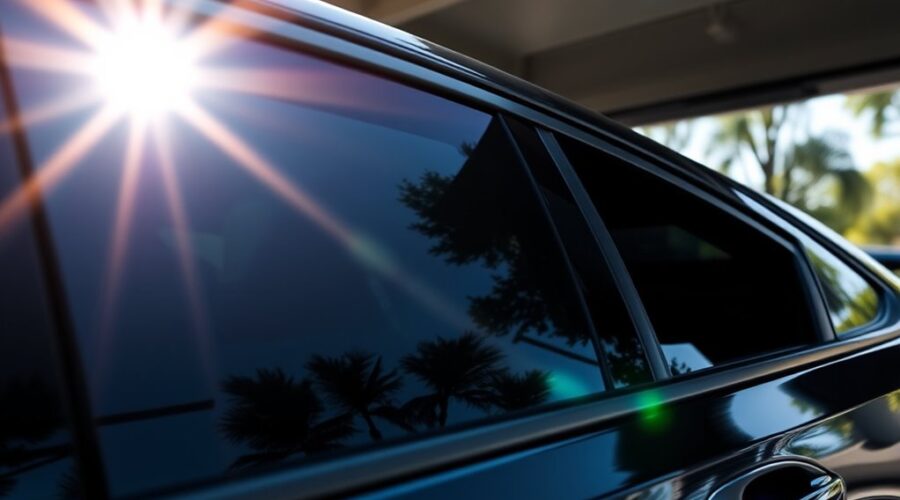
As heat and UV exposure become bigger concerns in 2027, a few window tint options stand out for different needs. The MotoShield Pro Nano Ceramic Car Window Tint offers strong protection with balanced visibility, while Gila Heat Shield strips appeal to those who want a simpler DIY fix. TRUE LINE’s pre-cut kit adds precision for rear windows. The real question is which one fits best—and the answer is more nuanced than it first appears.
MotoShield Pro Nano Ceramic Car Window Tint 50% VLT
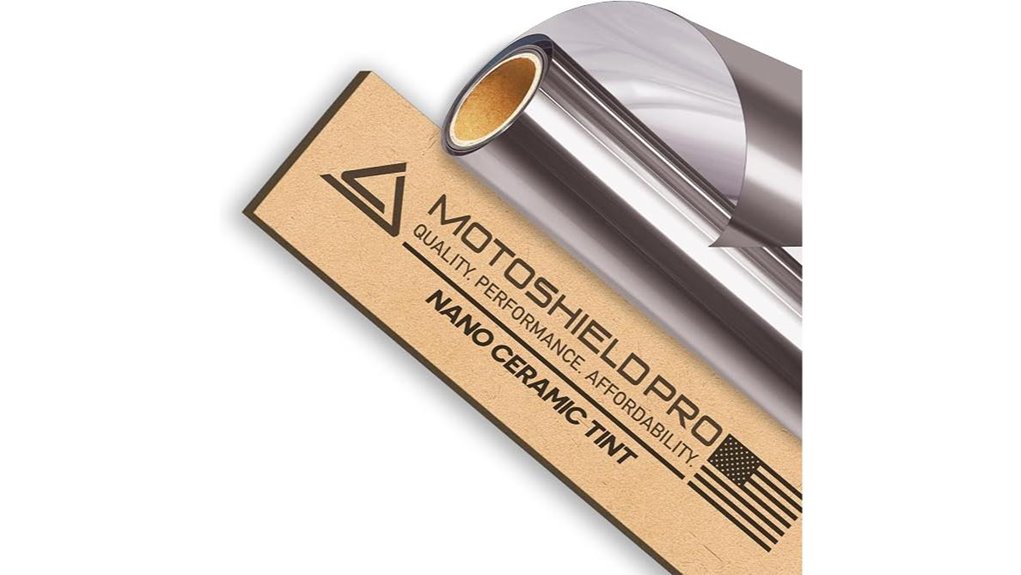
MotoShield Pro Nano Ceramic Car Window Tint 50% VLT is a strong choice for drivers who want meaningful heat and UV protection without sacrificing too much visibility. This 2PLY PET film measures 20 inches by 10 feet and uses a 2 mil thickness for easier handling during installation. It blocks up to 99% of infrared heat radiation, can reduce cabin temperature by as much as 25°F, and rejects up to 70% of total solar energy. It also blocks 99.9% of UV rays, helping protect occupants and interior materials. A 3-year warranty supports manufacturing defects.
Best For: Drivers who want strong heat and UV protection with moderate tint visibility and a DIY-friendly film that’s easy to install.
Pros:
- Blocks up to 99% of infrared heat radiation and can lower cabin temperatures by up to 25°F.
- Rejects up to 70% of total solar energy and blocks 99.9% of harmful UV rays.
- 2 mil 2PLY PET film is easier to handle, and a 3-year warranty adds peace of mind.
Cons:
- 50% VLT lets in more light than darker tints, so privacy and glare reduction are limited.
- Installation still requires proper tools and technique for the best results.
- Only covers a 20″ x 10′ roll size, which may not be enough for larger or multiple vehicles.
Gila Heat Shield Automotive Window Tint Strips
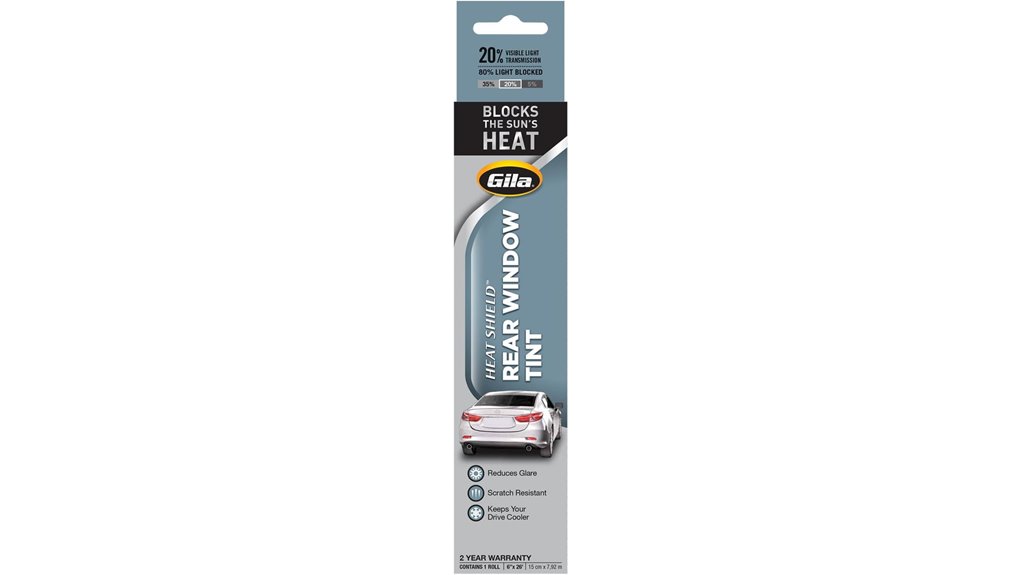
Gila Heat Shield strips suit drivers seeking a simple rear-window tint solution. The Gila® Heat Shield 20% VLT Automotive Window Tint comes in 6-inch by 26-inch strips and blocks 80% of light, helping cut glare and cabin heat. Its scratch-resistant, deep-dye construction supports long service life. The strips are designed for easy DIY installation and can be used with the Gila Complete Application Kit, eliminating the need for professional installation. Custom sizing makes them suitable for rear window applications in any make or model, offering practical coverage and straightforward performance for everyday driving.
Best For: Drivers who want an easy DIY rear-window tint solution with strong glare and heat reduction and broad vehicle compatibility.
Pros:
- Blocks 80% of light to reduce glare and cabin heat
- Scratch-resistant, deep-dye construction for durability
- Easy DIY installation with no professional help required
Cons:
- Limited to 20% VLT, which may be too dark for some preferences
- Strip size may require careful trimming for a perfect fit
- Best suited for rear windows, not a full-vehicle tint solution
TRUE LINE Pre-Cut Window Tint Kit for Back Windows
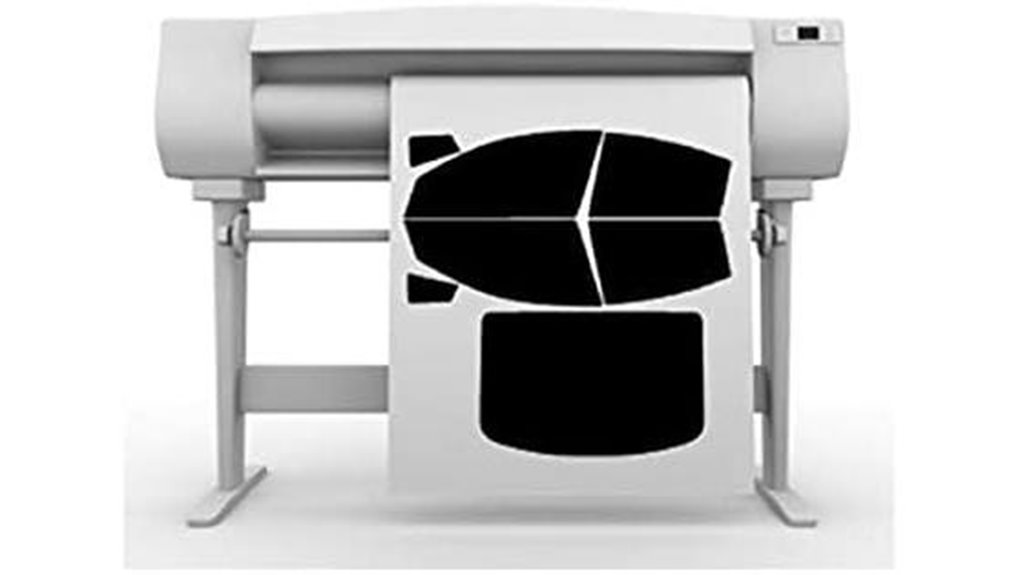
TRUE LINE’s pre-cut kit suits drivers who want a tailored rear-window tint solution. The TRUE LINE Automotive Computer Customized Pre-Cut Window Tint Kit is designed for back windows only, with visor strip and windshield options available when the vehicle allows. Buyers must match the kit to the correct year and model, then use the Customize Now tab to choose the vehicle type and tint shade. If cutouts are omitted, an uncut sheet is supplied for trimming. The black, peel-and-stick kit carries part number 10486-abw, averages 3.9 stars, and offers a 30-day return guarantee.
Best For: Drivers who want a vehicle-specific, pre-cut rear window tint kit and are comfortable selecting the correct year, model, and shade before installation.
Pros:
- Custom-fit for back windows, with visor strip and windshield options available for compatible vehicles
- Easy peel-and-stick installation with a black finish
- Includes a 30-day return guarantee and has a 3.9-star average rating
Cons:
- Must match the exact year and model for proper fitment
- Some configurations may arrive as an uncut sheet that requires manual trimming
- Designed for back windows only, so it is not a full-vehicle tint solution
Factors to Consider When Choosing Window Tints 2026: Beat Heat and UV Damage
When choosing window tints in 2026, heat rejection performance and UV protection levels should be weighed first to reduce cabin temperatures and limit sun damage. Visible light transmission also matters, since it affects both comfort and compliance with local regulations. Tint thickness, durability, and installation difficulty further influence how well the film performs over time and how practical it is to apply.
Heat Rejection Performance
Heat rejection performance is one of the most important factors in choosing window tints, since high-quality films can block up to 99% of infrared heat radiation and reduce cabin temperatures by as much as 25°F. Strong films may also reject up to 70% of total solar energy, helping keep vehicle interiors noticeably cooler during intense sunlight. Film construction matters, because thicker materials generally provide better insulation against heat. Visible light transmission, or VLT, also influences comfort; lower VLT percentages usually reduce glare and improve heat control, though they darken the glass more. The best choice balances thermal reduction, driving visibility, and local tint regulations. When heat rejection is prioritized, the cabin feels less oppressive, climate systems work more efficiently, and long drives become more comfortable overall.
UV Protection Levels
UV protection levels are a key specification in modern window tints, with premium films blocking up to 99.9% of harmful ultraviolet rays to help reduce skin damage and interior fading. This performance matters because ultraviolet exposure can accelerate upholstery wear, dash discoloration, and long-term skin risks for occupants. High-quality tints offer different levels of blocking, allowing selection based on safety priorities and sunlight intensity. Many advanced films also contribute to heat reduction by limiting infrared radiation, which can support cooler cabin conditions. Strong UV protection can improve comfort by reducing glare and lowering sun exposure during driving. When comparing products, buyers should focus on documented protection claims and overall film quality rather than appearance alone, since effective UV defense directly supports durability, comfort, and passenger protection.
Visible Light Transmission
Visible Light Transmission (VLT) is a key factor in choosing window tint because it determines how much visible light passes through the glass, shaping both cabin brightness and privacy. VLT is expressed as a percentage: lower numbers mean darker tint, less glare, and greater privacy, while higher numbers admit more daylight and improve outward visibility. Typical options range from 5% for a very dark look to 75% for a light appearance, allowing different comfort and style preferences. VLT can also influence cabin temperature, since darker films often reject more heat. However, the ideal level depends on local regulations, which vary by state or country. Checking legal limits before installation helps guarantee the tint delivers desired performance without creating compliance issues.
Tint Thickness Durability
Tint thickness, measured in mils, is an important factor in both durability and ease of installation, with common options ranging from 1 mil to 2 mils. A 2 mil film generally offers greater resistance to scratches, scuffs, and everyday wear, which can extend service life and preserve performance. Thickness can also support heat rejection and UV blocking when additional protective layers are included in the construction. However, durability is not determined by thickness alone. Film quality matters, and advanced materials often improve longevity more than thickness by itself. Proper application techniques further strengthen the finished result, helping the tint adhere well and maintain its protective properties over time. For many applications, the best choice balances thickness, material quality, and expected exposure.
Installation Difficulty
Installation difficulty varies widely by tint type, with some films suited to DIY installation and others better handled by professionals using specialized tools. DIY-friendly kits often include detailed manuals and instructional videos, which help beginners achieve cleaner results with less guesswork. Film thickness also influences handling: thinner materials are easier to position and smooth, though they may sacrifice some durability. Pre-cut kits reduce complexity further by arriving shaped for specific applications, removing the need for trimming and limiting alignment errors. By contrast, certain premium films call for a heat gun, application solution, or other specialty tools, increasing effort and skill requirements. Evaluating installation demands helps buyers choose a tint that matches available time, confidence, and equipment.
Vehicle Fit Compatibility
Vehicle fit compatibility is a key factor in choosing window tints, since many products are designed around the exact measurements of specific makes and models. A proper match helps guarantee the film sits cleanly on each glass panel and aligns with the vehicle’s year, make, and model. Pre-cut kits are especially useful because they are shaped to the window dimensions, reducing trimming during installation. Some products also offer shade and configuration choices to suit different setups. It is also important to confirm that the tint will not interfere with defrosters, antennas, or sensor systems. Finally, the selected tint should meet local rules on visible light transmission, since legal limits may vary by vehicle type and region.
Privacy And Visibility
Privacy and visibility often come down to selecting the right Visible Light Transmission, or VLT, percentage for the vehicle’s intended use. Tint options typically range from 5% to 75%, giving owners flexible control over how much interior is visible from outside. Lower VLT films increase privacy by making it much harder to see into the cabin, yet they still preserve usable outward visibility for occupants. One-way privacy films add another layer of comfort by allowing clear views out while limiting outside observation. Proper installation also matters because high-quality tints can block up to 99.9% of harmful UV rays without sacrificing visibility. Beyond comfort, reduced interior exposure can hide valuables from view, supporting security and helping deter opportunistic theft.
Warranty Coverage Terms
Warranty coverage should be reviewed carefully, since it usually protects against manufacturing defects and helps guarantee the tint remains reliable over time. Many window tint warranties run for three to five years, giving buyers a clearer sense of long-term value. Coverage, however, is not uniform. Some policies address fading, bubbling, or peeling, while others limit protection to specific installation or material faults. Claiming service often requires proof of purchase, and manufacturers may ask for a sample of the defective film to verify the issue. A few brands also include voluntary return policies within a set period, which can improve customer satisfaction. Before purchase, the exact terms should be compared so that expectations match the protection actually offered.
Frequently Asked Questions
How Long Does Window Tint Usually Last Before Fading?
Window tint usually lasts 5 to 10 years before noticeable fading, though quality films can stay effective for 15 years or more. Lifespan depends on film type, sun exposure, installation quality, and care. Cheaper tints often fade, bubble, or turn purple sooner, especially in harsh climates. Premium ceramic or carbon films generally resist fading better and maintain appearance longer with proper cleaning and installation.
Can Window Tint Interfere With GPS or Phone Signals?
Like a thin film over glass, window tint can slightly affect GPS or phone signals, but usually only if it contains metal. Most modern non-metallic tints let signals pass with little trouble. In weaker reception areas, a tinted car or building may act like a dimmer veil, causing brief drops or slower data. Choosing ceramic or carbon tint often reduces interference while still offering heat and UV protection.
Is Professional Installation Better Than DIY Tinting?
Professional installation is generally better than DIY tinting because it usually delivers cleaner edges, fewer bubbles, and better long-term durability. Trained installers can match film to glass, handle complex curves, and often provide warranties. DIY kits may save money, but they require patience, proper tools, and steady technique. For someone seeking reliable appearance and performance, professional work tends to offer a more consistent result and reduced risk of mistakes.
What Is the Legal Tint Limit for Side Windows?
Legal side-window tint limits vary by jurisdiction, so no single percentage applies everywhere. He would need to check state or country regulations, since front side windows often require higher visible light transmission than rear windows. Enforcement can also depend on factory glass tint, medical exemptions, and vehicle type. A local DMV, police department, or certified installer can provide the exact legal threshold before any tint is applied or inspected.
How Should Tinted Windows Be Cleaned Safely?
Tinted windows should be cleaned with a soft microfiber cloth, a mild soap-and-water solution, and no ammonia-based products. That may seem tedious, but it prevents costly peeling, clouding, and scratches. The surface should be wiped gently, then dried with a clean cloth to avoid streaks. Abrasive pads, razor blades, and harsh sprays ought to be avoided. Careful maintenance preserves clarity, appearance, and the tint’s protective performance over time.
Conclusion
In the blazing glare of 2027, the right tint is more than a cosmetic choice—it is a quiet shield. MotoShield Pro offers balanced clarity and powerful defense, Gila Heat Shield brings an easy DIY refuge, and TRUE LINE delivers a tailored guard for back windows. Like a cool shadow on a summer road, each option helps preserve comfort, protect interiors, and soften the sun’s relentless touch. In choosing wisely, drivers choose relief.