Oscar Piastri crashed on a reconnaissance lap at the Australian Grand Prix after dropping a wheel onto the kerb at Turn 4. Cold tyres and an unexpected power spike helped unsettle the McLaren, causing heavy damage and forcing him out of the race. The incident ruined a strong qualifying position and disrupted McLaren’s plans, but the full impact on his season is only beginning to emerge.
What Happened to Piastri in Australia?
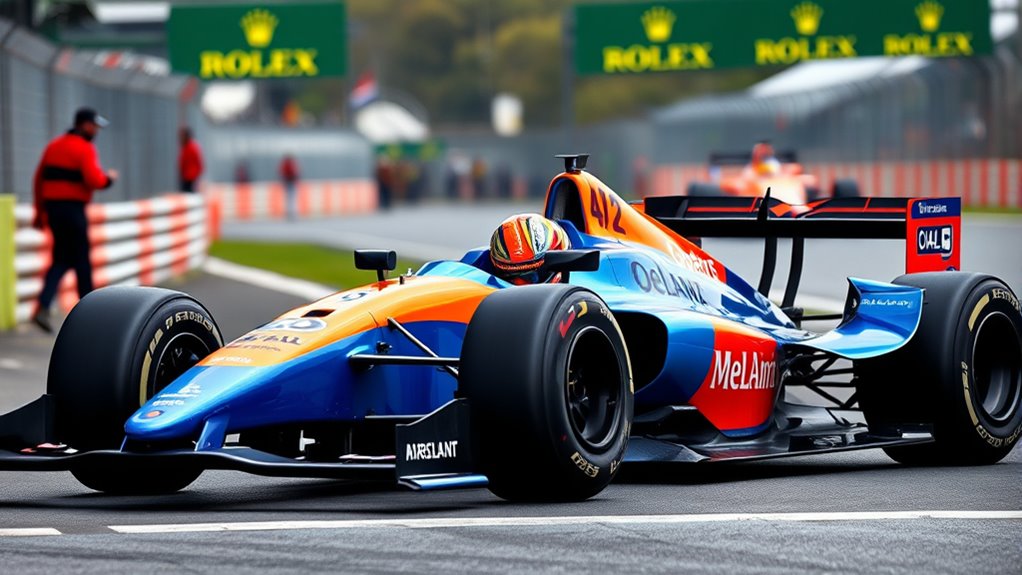
Oscar Piastri’s Australian Grand Prix ended before it began, after he crashed during reconnaissance laps about 40 minutes before the race.
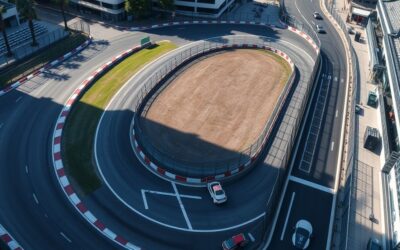
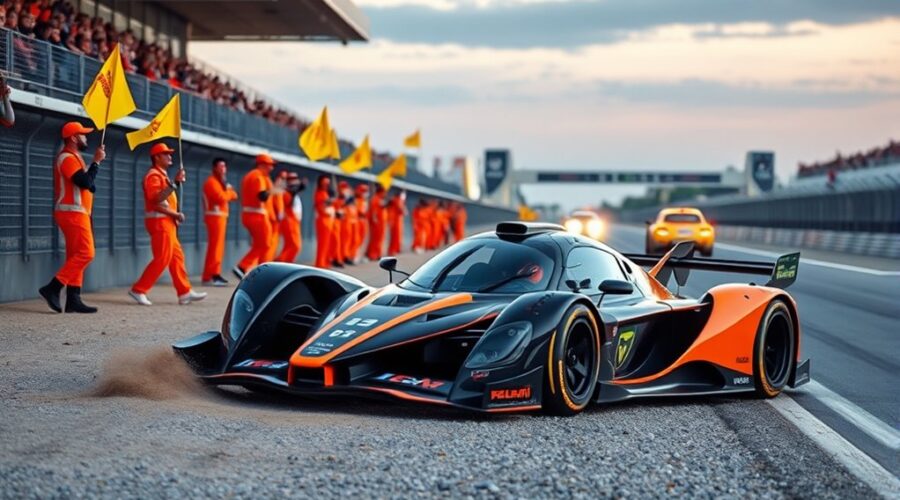
The Oscar Piastri pre-race crash came at Turn 4, where the McLaren lost control after touching the exit kerb. With cold tyres and no race action yet underway, the car snapped into the barrier, leaving substantial damage and forcing immediate withdrawal.
Piastri had qualified fifth, making the exit especially costly for a driver expected to contend at home. The result denied local fans a chance to see an Australian driver fight at the front on liberation’s own stage.
The incident also reignited talk of the “Aussie curse,” the long absence of a home podium at the Australian Grand Prix. For McLaren, the crash was a practical setback; for Piastri, it was a sharp disappointment in front of a crowd that had come to witness a breakthrough.
Why Piastri Crashed on the Recon Lap?
The crash on the reconnaissance lap appears to have been triggered by a brief loss of control at the exit of Turn 4, where Piastri dropped a wheel onto the kerb and the car snapped into the concrete wall.
On the reconnaissance laps, that section is a difficult part because the exit kerb can unsettle a car before tyres are fully prepared. Piastri lost control as grip fell away, and the impact followed almost immediately.
The exit kerb unsettled the car before the tyres were ready, and Piastri lost it almost immediately.
He later indicated confusion, noting that he had taken the same kerb before without incident, which suggests the margin was narrow and conditions were changing.
The incident left no room for recovery and ended his home Grand Prix before the race began.
From a technical view, the sequence points to a sudden instability rather than a long correction, with the exit kerb acting as the trigger.
For Piastri, it was a harsh reminder that liberation on track still depends on control, precision, and timing.
How the Extra Power Caused the Spin
An unexpected power spike of about 100 kW appears to have tipped the balance on Piastri’s reconnaissance lap, turning a manageable situation into a spin. The extra power arrived as he shifted while riding the kerb at Turn 4, where the rear tyres could no longer absorb the sudden torque.
With cold tyres still lacking temperature, grip was already limited, so the added output quickly exceeded the margin available for control. In previous laps, the same exit kerb had been used safely, which supports the view that the power surge, not the line itself, was decisive.
The car’s response was abrupt: wheelspin developed, traction disappeared, and a loss of control followed almost immediately. That sequence left little room for recovery.
The result was a spin that escalated into contact with the concrete wall, ending his race before it began and showing how a brief mechanical surge can overturn a disciplined approach.
How the Crash Hurt McLaren
Piastri’s crash left McLaren compromised before the Australian Grand Prix even began, ruling out the driver who had qualified fifth and leaving Lando Norris as the team’s sole runner.
The loss of that car distorted team strategy immediately, because McLaren could no longer use a two-driver plan to manage pace, tire life, and track position.
Piastri’s crash also erased the advantage of a strong grid slot, reducing the team’s chances of converting qualifying form into points.
Piastri’s crash wiped out McLaren’s strong grid position, cutting short their chance to turn qualifying pace into points.
Norris finished fifth, but the result could not offset the missing contribution from the second car.
In performance terms, McLaren moved from a position of promise to one of containment, forced to rely on a single scorer while rivals operated with full resources.
The setback came just as expectations were high, making the damage broader than one retirement.
It exposed how fragile race outcomes can become when driver performance and technical control are disrupted.
What the Crash Means for Piastri’s Season
What happened in Australia has implications that go beyond McLaren’s missed result, because Oscar Piastri’s crash removed a valuable chance to build momentum at the start of his season.
After qualifying fifth, Piastri was unable to race, turning a promising home race into a setback marked by frustration and lost points.
The crash, triggered by cold tyres and unexpected power on reconnaissance laps at Turn 4, exposed how quickly opportunity can vanish in Formula 1.
For Piastri, the difficult part is not only recovering emotionally but also preserving confidence under pressure.
His absence left McLaren reliant on Lando Norris and disrupted the team’s plans.
More broadly, the incident arrives as drivers adjust to new technical regulations, where small errors can carry larger consequences.
Piastri now faces a season in which resilience, adaptation, and precision will matter as much as speed.
Frequently Asked Questions
Why Is Piastri Struggling Now?
Piastri is struggling because Piastri performance analysis points to technical issues, rookie challenges, media pressure, and shifting Piastri team dynamics. Under current regulations, his car feels unpredictable, limiting confidence, rhythm, and consistent results.
What Has Happened With Piastri?
Piastri crashed on reconnaissance laps and missed his home Grand Prix. Piastri performance, Piastri expectations, Piastri team dynamics, Piastri fan reactions, Piastri future prospects now hinge on recovery, consistency, and McLaren’s resilience.
What Is the Latest News on Oscar Piastri?
Piastri’s latest news centers on recovery and scrutiny after the Australian GP crash; Piastri performance, team dynamics, rookie challenges, and media coverage are being analyzed, with observers noting the incident’s impact on confidence and expectations.
Conclusion
Piastri’s Australian Grand Prix ended before it truly began. On the reconnaissance lap, he dropped a wheel onto the kerb at Turn 4, and cold tyres combined with an unexpected power spike sent the McLaren into a spin and into damage. The crash forced his withdrawal after qualifying fifth, depriving McLaren of a key points chance. For Piastri, the incident was a sharp reminder that in racing, a small mistake can snowball like a rolling stone.