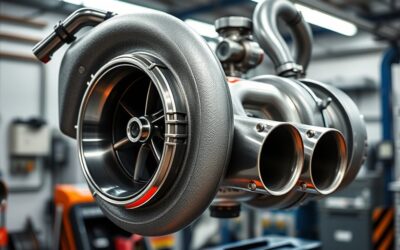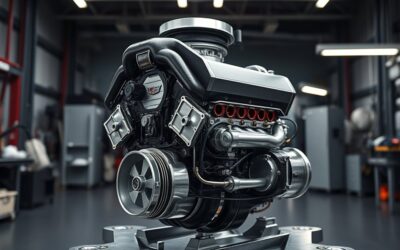
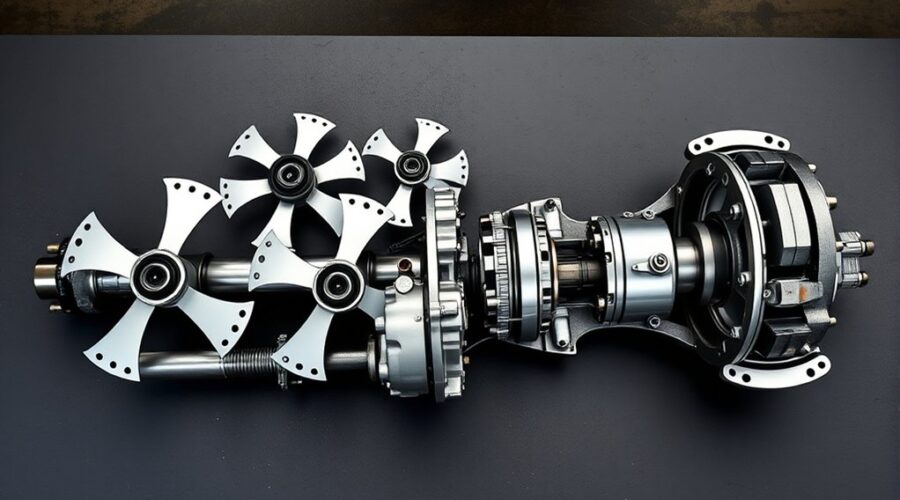
The 4 rotor rotary engine represents a significant innovation in automotive engineering, exemplified by Mazda’s 20B model. This engine’s unique design incorporates four triangular rotors around a central eccentric shaft, which enhances both power output and efficiency. Despite its advantages, challenges such as apex seal wear and emissions persist. Understanding the technical features and historical context of this engine reveals its impact on performance and the future of rotary technology. What lies ahead for this distinctive engine type?
Key Takeaways
- The 4 Rotor Rotary Engine, exemplified by the Mazda 20B, features four triangular rotors for enhanced power and efficiency.
- Its unique design allows for multiple combustion chambers, resulting in 12 power events per rotation and improved performance.
- The engine’s high power-to-weight ratio makes it suitable for automotive racing and potential aerospace applications.
- Maintenance is critical, particularly for apex seals, which wear out and require regular attention for reliability.
- Future innovations, like the ’16X’ engine, aim to enhance fuel efficiency and expand applications beyond traditional automotive uses.
What Is a 4 Rotor Rotary Engine?
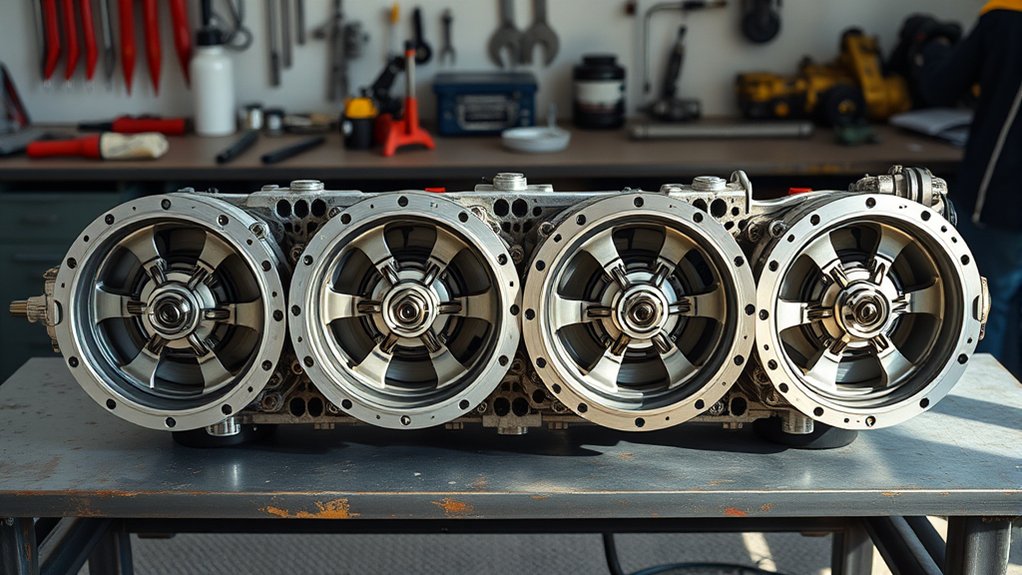
A 4 rotor rotary engine represents a considerable advancement in internal combustion technology, characterized by its unique configuration of four triangular rotors operating around a central eccentric shaft. This design facilitates increased power output and efficiency, distinguishing it from single or dual rotor configurations. Each triangular rotor creates multiple combustion chambers, enabling the simultaneous processes of intake, compression, combustion, and exhaust, which greatly enhances overall performance.
The Mazda 20B engine, a notable example of the 4 rotor variant, is capable of producing over 1,000 BHP when modified, making it highly coveted in tuning circles. The 4 rotor configuration not only guarantees smoother operation but also boasts a superior power-to-weight ratio due to its fewer moving parts compared to traditional piston engines. Historically, these engines have been employed in specialized applications, particularly in racing and performance vehicles, demonstrating their remarkable capacity to generate substantial horsepower.
Key Technical Features of the 4 Rotor Rotary Engine
The 4-rotor rotary engine showcases a distinctive design and layout characterized by four triangular rotors that enhance combustion efficiency and power output. Performance metrics indicate potential power outputs exceeding 1000 BHP, while the engine’s lightweight construction contributes to improved torque delivery. Additionally, its reduced number of moving parts enhances maintenance and reliability, positioning it as a compelling choice for high-performance applications.
Engine Design and Layout
While traditional rotary engines have long been recognized for their unique design, the 4 rotor rotary engine stands out due to its advanced configuration and enhanced performance capabilities. This engine features four triangular rotors within an elongated housing, increasing displacement and power output. Each rotor forms multiple combustion chambers, facilitating efficient intake, compression, combustion, and exhaust processes. The design incorporates an eccentric output shaft that reduces friction, optimizing power transfer. Compact and lightweight, the 4 rotor rotary engine boasts an impressive power-to-weight ratio, making it ideal for performance applications across automotive and aerospace sectors. Notable examples include the Mazda 20B engine, modified in tuning circles to exceed 1,000 BHP, underscoring the advantages of multi-rotor configurations.
| Feature | Description | Benefits |
|---|---|---|
| Triangular Rotor | Four rotors in an elongated housing | Increased displacement and power output |
| Eccentric Output Shaft | Drives the rotors | Minimizes friction, maximizes efficiency |
| Combustion Chambers | Multiple per rotor | Enhances performance and efficiency |
| Power-to-Weight Ratio | High efficiency | Ideal for automotive and aerospace use |
Performance and Efficiency Metrics
Performance and efficiency metrics of the 4 rotor rotary engine highlight its advanced engineering and operational capabilities. The Mazda 20B, a notable example, showcases exceptional power output, particularly in modified forms, achieving over 1000 BHP. Key technical features include:
- Compact Size and Lightweight Structure: This design contributes to a high power-to-weight ratio, enhancing overall performance.
- Increased Combustion Events: Each rotor’s three combustion chambers facilitate twelve events per rotation, substantially boosting power output relative to traditional engines.
- Operational Smoothness: Fewer moving parts reduce vibration and noise, improving driver comfort.
While the 4 rotor rotary engine generally offers higher power output per unit displacement, challenges remain regarding fuel consumption and emissions, necessitating ongoing performance optimization.
Maintenance and Reliability Factors
Maintaining ideal functionality and reliability in a 4 rotor rotary engine, such as the Mazda 20B, necessitates a thorough understanding of its unique engineering characteristics. Apex seal wear emerges as a significant reliability factor, demanding regular maintenance and inspection to avert loss of compression and subsequent performance degradation. The use of high-strength carbon-based apex seals enhances durability, effectively mitigating wear under extreme operational conditions. Additionally, effective thermal management is essential to prevent overheating, particularly during high-performance applications. Vigilant monitoring of fuel consumption and oil levels is essential for ensuring long-term reliability and efficiency. In conclusion, a proactive maintenance approach is critical for sustaining the impressive capabilities of the 4 rotor rotary engine while minimizing operational risks.
What’s the History Behind 4 Rotor Rotary Engines?
The history of four-rotor rotary engines is marked by significant milestones, particularly with the introduction of the Mazda 20B in the 1990 Eunos Cosmo. This model exemplified advancements in rotary engine technology, achieving remarkable power outputs while building on earlier designs. Key developments in apex seal technology and performance tuning have contributed to the legacy and niche appeal of four-rotor engines within motorsports and automotive enthusiasts.
Key Milestones Achieved
Although often overshadowed by conventional piston engines, the history of the 4-rotor rotary engine marks significant advancements in automotive engineering, particularly with Mazda’s introduction of the 20B engine in the early 1990s. This engine exemplified several key milestones:
- Innovative Design: The triple-rotor configuration enhanced power output, achieving over 1,000 BHP in modified versions.
- Performance in Motorsports: Mainly utilized in the RX-7 series, the 4-rotor engine showcased its capabilities in competitive racing.
- Advanced Engineering Solutions: Incorporation of superior cooling and lubrication systems addressed apex seal wear and improved fuel efficiency.
Despite its performance advantages, the 4-rotor rotary engine’s production remained limited, primarily due to regulatory compliance challenges and niche market demand.
Notable Models Produced
Following the significant advancements marked by the 20B engine, the history of 4-rotor rotary engines showcases a series of notable models that have contributed to the evolution of this technology in automotive engineering. The Mazda 20B, introduced in the Eunos Cosmo in 1990, exemplifies this innovation, producing over 300 BHP and demonstrating remarkable tuning potential, with modifications capable of exceeding 1,000 BHP. The unique rotary engine design, characterized by triangular rotors, enhances smooth operation and power-to-weight ratios. Although primarily featuring a 2-rotor engine, the RX-8 highlighted the 4-rotor concept in prototype racing, emphasizing its motorsports viability. Enthusiasts continue to pursue the Mazda 20B for its rare performance capabilities, solidifying its status in the tuning community.
Key Performance Benefits of 4 Rotor Engines
Engine performance is considerably enhanced with the adoption of 4-rotor rotary engines, which offer several key benefits that appeal to high-performance applications. These engines stand out for their remarkable power output and efficiency, making them well-suited for motorsports and tuning.
- High Power: Capable of exceeding 1,000 BHP with modifications, they provide exceptional performance.
- Thermal Efficiency: Optimized fuel combustion leads to improved thermal efficiency, particularly at elevated RPMs.
- Compact Design: The four-rotor configuration guarantees a high power-to-weight ratio, ideal for agile vehicle dynamics.
Additionally, 4-rotor engines exhibit smoother operation due to reduced vibration and consistent torque across a wide RPM range. This unique performance characteristic enhances vehicle acceleration and responsiveness, making it a preferred choice for sports cars. Overall, their blend of compactness and high power positions them as a formidable option in the domain of high-performance engines.
How Are 4 Rotor Engines Shaping the Automotive Industry?
The emergence of 4-rotor engines is greatly influencing the automotive industry by pushing the boundaries of performance and design. Particularly exemplified by Mazda’s 20B engine, the 4 rotor rotary engine can produce over 1,000 BHP when modified, showcasing its suitability for high-performance applications. Its compact design and fewer moving parts yield a high power-to-weight ratio, making it an attractive option for sports cars and racing environments.
Furthermore, the unique architecture of 4 rotor engines facilitates smooth operation and minimizes vibrations compared to traditional piston engines, enhancing driver comfort and experience. As automakers increasingly consider rotary engines as range extenders for electric vehicles, the 4 rotor design presents significant potential for improved efficiency in hybrid applications. The sustained enthusiasm among enthusiasts and tuners underscores the 4 rotor rotary engine’s legacy and its capacity to shape future sports car innovations within the automotive industry.
Future Prospects for 4 Rotor Rotary Technology
As advancements in rotary technology continue to emerge, the future prospects for 4-rotor engines appear increasingly promising. The 4-rotor configuration, often exemplified by Mazda’s innovative ’20B’ engine, demonstrates significant potential for enhanced power output, exceeding 1,000 BHP, making it attractive for performance vehicles. Additionally, ongoing research into the ’16X’ engine aims to improve fuel efficiency and explore applications as a range extender for electric vehicles.
The future of 4-rotor engines is bright, with innovations enhancing power output and fuel efficiency for performance and electric vehicles.
Key future developments include:
- Aerospace Applications: Companies like Advanced Innovative Engineering are investigating the lightweight, compact design for potential use in aviation.
- Performance Vehicles: The high power-to-weight ratio positions 4-rotor engines as ideal candidates for dedicated sports cars.
- Reliability Enhancements: Fewer moving parts may lead to smoother operation and increased reliability compared to traditional piston engines.
Such advancements indicate a vibrant future for 4-rotor rotary technology across multiple industries.
Frequently Asked Questions
What Is the History of the 3 Rotor Engine?
The three-rotor engine, pivotal in rotary engine evolution, epitomized Mazda’s RX-7 innovations, leveraging Wankel design for enhanced performance advantages and fuel efficiency, yet faced engineering challenges, solidifying its historical milestones in automotive applications.
What Is the Strongest Engine on Earth?
When it comes to sheer power, the Wärtsilä-Sulzer RTA96-C stands unrivaled. Its superior combustion efficiency, impressive torque characteristics, and innovative engine design greatly enhance performance metrics while optimizing fuel consumption, achieving an unparalleled weight ratio in engineering advancements.
What Killed the Rotary Engine?
Rotary engine failures stemmed from design limitations, poor fuel efficiency, and stringent emission standards. Performance comparisons revealed disadvantages, while market competition and shifting consumer preferences exacerbated maintenance challenges, ultimately leading to its decline in automotive relevance.
What Is the Function of the Rotor in a Rotary Engine?
The rotor in a rotary engine optimizes engine efficiency by facilitating the combustion cycle, enhancing power output and torque characteristics, while also influencing fuel consumption and emission standards, despite presenting maintenance challenges and cooling system requirements.
Conclusion
The 4 rotor rotary engine, exemplified by Mazda’s 20B, remains a remarkable engineering achievement, boasting power outputs exceeding 1,000 BHP in modified configurations. This exceptional performance underscores its potential, with a power-to-weight ratio considerably surpassing conventional piston engines. Despite challenges like apex seal wear, the enduring legacy and innovative spirit of rotary technology captivate enthusiasts. Remarkably, the 20B’s lightweight design allows it to achieve a striking 10:1 power-to-weight ratio, illustrating its efficiency and performance capabilities in automotive applications.