

Vehicle security in 2027 is likely to depend on more than just alarms and locks. The best GPS trackers now vary widely in battery life, installation, and tracking precision, which makes the choice less simple than it first appears. Some are built for discreet use, while others offer constant route data or fleet-level oversight. The real question is which option fits a driver’s needs best, and the answer is not always obvious.
Bouncie GPS Tracker for Vehicles with Real-Time Location
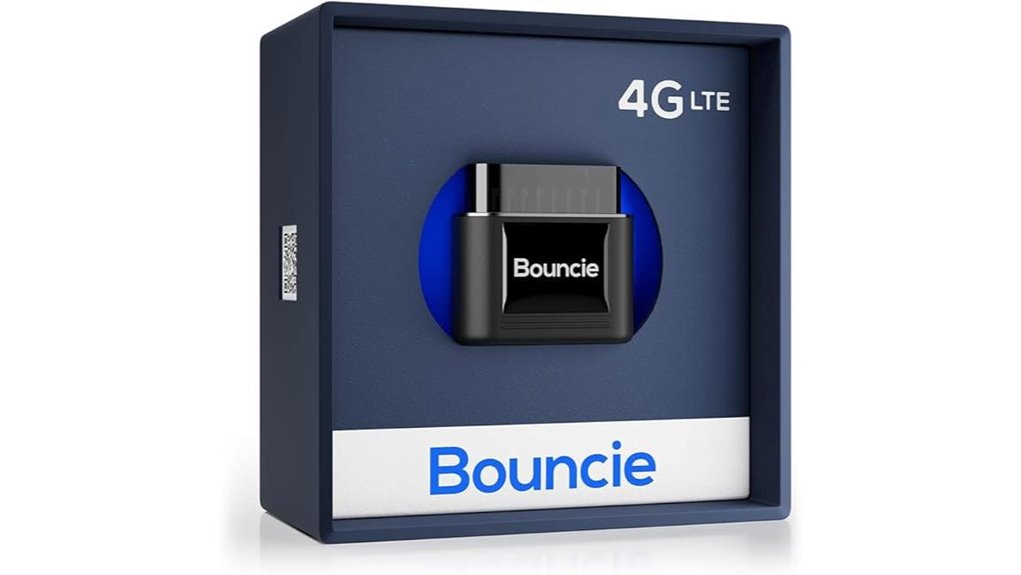
Bouncie GPS Tracker is a strong choice for drivers who want real-time vehicle location, detailed trip history, and driving safety insights in one device. It delivers up-to-the-minute tracking, unlimited route history, and detailed records of addresses, idle time, speed, and driving patterns. It also monitors acceleration, hard braking, and speed to flag unsafe behavior with alerts and visual indicators. Beyond location data, it tracks engine diagnostics, helping identify maintenance needs early. Geo-fencing notifications and impact detection add security. The OBD2 plug-in setup fits most 1996 and newer vehicles, while the subscription model remains straightforward.
Best For: Drivers, families, and small fleet owners who want real-time GPS tracking, trip history, vehicle health monitoring, and driving safety alerts in one OBD2 device.
Pros:
- Real-time location tracking with unlimited trip history and detailed route records
- Driving safety insights with alerts for speeding, hard braking, acceleration, and idle time
- Vehicle diagnostics, geo-fencing, and impact detection help improve security and maintenance
Cons:
- Requires a monthly subscription
- Only works with vehicles that have an OBD2 port, typically 1996 and newer
- No hidden activation or return fees is a plus, but the ongoing cost may not suit every budget
LandAirSea 54 GPS Tracker with Long Battery
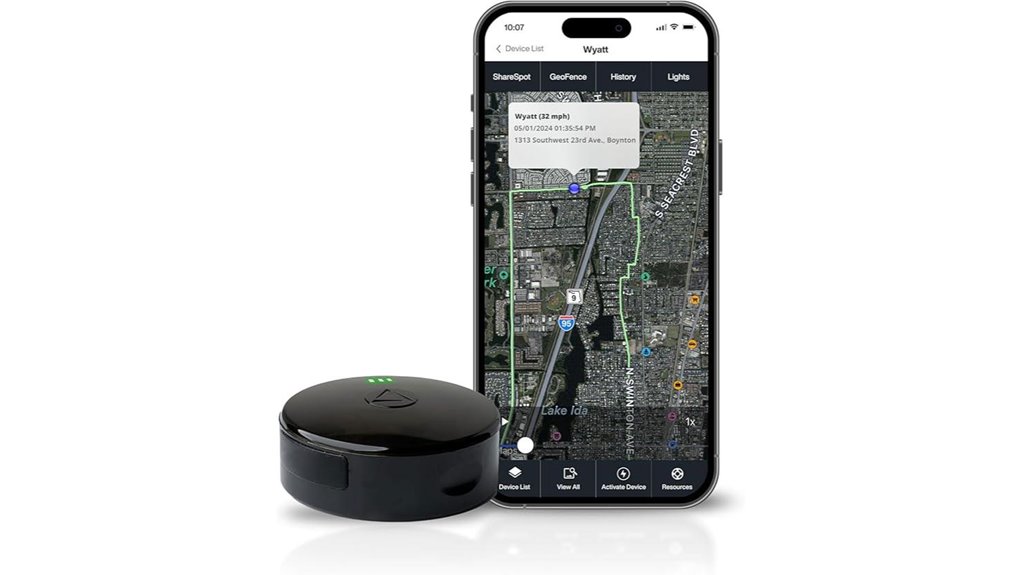
For drivers who want discreet, long-lasting tracking, the LandAirSea 54 stands out. Made in the USA from domestic and imported parts, this premium tracker delivers accurate global location data through web software or the SilverCloud app. Updates arrive every 3 seconds, while historical playback extends up to one year. Geofencing adds another layer of control. Its ultra-compact body and internal magnet support hidden mounting on vehicles, ATVs, golf carts, and other assets. Motion activation helps preserve battery life. A subscription is required, with flexible no-contract plans starting at $9.95 annually or $19.95 monthly.
Best For: Drivers, fleet owners, and anyone needing discreet, long-lasting GPS tracking for vehicles or other valuable assets.
Pros:
- Real-time location updates every 3 seconds with web and app access
- Ultra-compact design with internal magnet for hidden mounting
- Historical playback up to 1 year plus geofencing and motion-activated battery saving
Cons:
- Requires a paid subscription to operate
- Best features depend on cellular/GPS coverage and app/web access
- Not ideal for users who want a one-time purchase with no ongoing costs
Tracki GPS Tracker for Vehicles, 4G LTE Car GPS Tracker, Real-Time Tracking
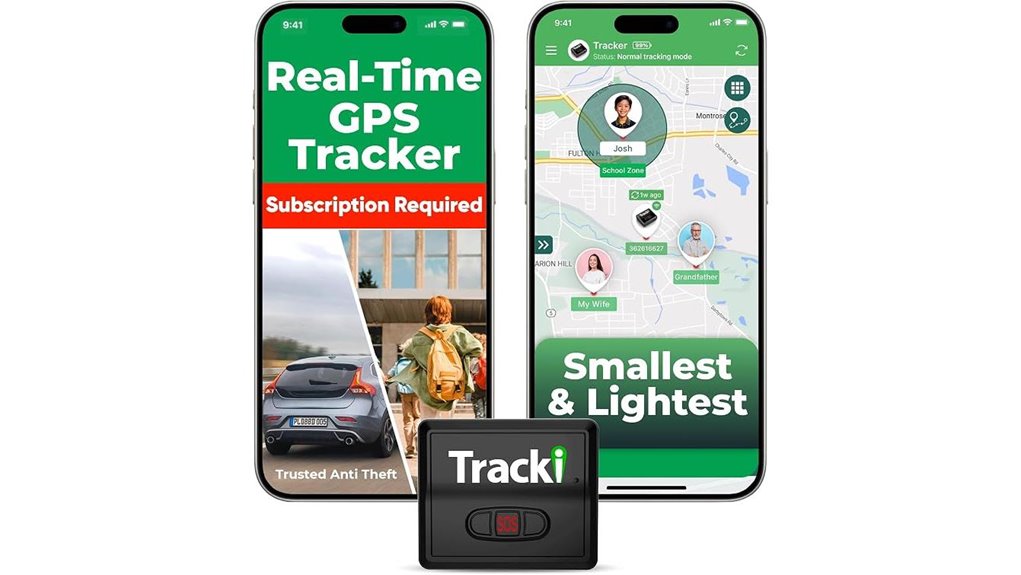
Tracki is best for drivers who want compact, real-time tracking with flexible mounting options. Measuring 1.77 x 1.46 x 0.55 inches and weighing 1.26 ounces, it fits discreetly in vehicles, motorcycles, bags, or luggage. Its 4G LTE Cat1 connection delivers one-minute auto updates and five-second manual pings, while geofence, speed, movement, and SOS alerts improve oversight. Battery life reaches 5 to 7 days, or 45 in save mode. A subscription is required for global SIM service, app access, and worldwide coverage. It supports iOS, Android, web, Bluetooth proximity mode, and Alexa.
Best For: Drivers and travelers who want a compact, discreet 4G GPS tracker with real-time updates, flexible mounting options, and broad device compatibility.
Pros:
- Compact size and light weight make it easy to hide in vehicles, motorcycles, bags, or luggage.
- Real-time tracking with 1-minute auto updates, 5-second manual pings, and useful geofence/speed/movement/SOS alerts.
- Supports iOS, Android, web access, Bluetooth proximity mode, and Alexa integration.
Cons:
- Requires a subscription to activate and maintain service.
- Battery life is limited compared with hardwired solutions, especially in active use.
- Not a satellite emergency beacon, so it depends on cellular coverage.
Apple AirTag 1st Generation 4 Pack

Apple AirTag 1st Generation 4 Pack suits iPhone users who want simple, reliable item tracking. It works with the Find My app to monitor keys, wallets, luggage, backpacks, and other valuables. Precision Finding, available on select iPhone models, uses Ultra Wideband for close-range guidance, while a built-in speaker can play a sound to help locate misplaced items. Lost Mode adds recovery support through the Find My network, and location sharing can assist third parties, including airlines. Anonymous, encrypted communication, replaceable battery life, and IP67 resistance strengthen its practical appeal for everyday security.
Best For: iPhone users who want a simple, reliable way to track everyday items like keys, wallets, luggage, and backpacks.
Pros:
- Integrates seamlessly with the Find My app for easy item tracking.
- Precision Finding and a built-in speaker make lost items easier to locate.
- Long-lasting replaceable battery and IP67 water/dust resistance add everyday durability.
Cons:
- Full Precision Finding only works with select iPhone models.
- Requires Apple’s ecosystem, so it is not ideal for Android users.
- 4-pack may be more than needed for users who only want to track one item.
Spy Tec Atlas GPS Tracker with 14-Day Battery Life
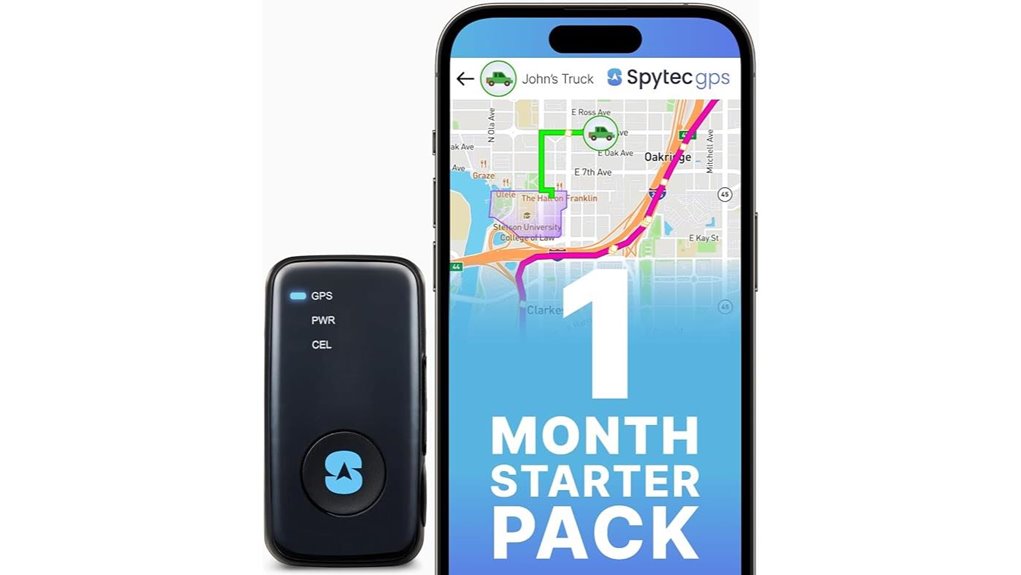
With up to 14 days of battery life, the Spy Tec Atlas suits drivers needing longer, low-maintenance vehicle tracking. This compact 3.07-inch mini tracker is designed for vehicles, kids, seniors, and assets, making it versatile for anti-theft use. It provides 4G Super SIM coverage across North America and worldwide, with network mode adjustments in the Hapn app for international trips. Real-time updates can arrive every five seconds, while the Time Machine feature reviews routes, stops, and nearby places. Geofencing and speed alerts add oversight. Setup uses a QR code, and support is available seven days weekly.
Best For: Drivers, parents, caregivers, and anyone who needs a compact GPS tracker with long battery life, real-time location updates, and broad coverage for vehicles, kids, seniors, or assets.
Pros:
- Up to 14 days of battery life reduces recharging frequency.
- Real-time tracking can update as often as every 5 seconds.
- Geofencing, speed alerts, and Time Machine history add useful monitoring features.
Cons:
- Full functionality requires an active subscription.
- International use may require changing the network mode in the app.
- Best features are most useful when paired with ongoing app and data access.
Brickhouse Security Livewire Volt GPS Tracker for Vehicles, Hardwired
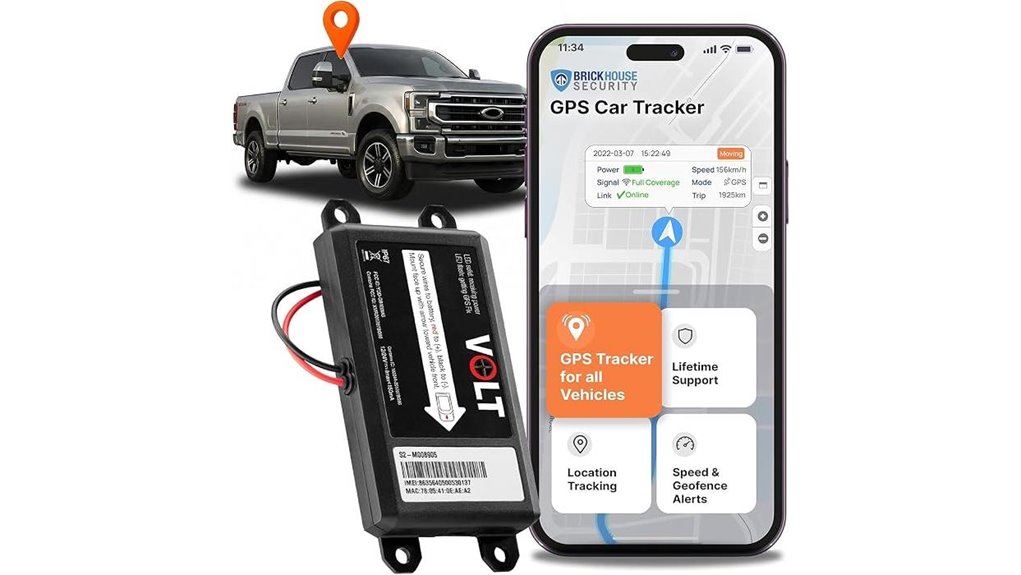
The Brickhouse Security Livewire Volt suits drivers needing permanent, hardwired vehicle tracking. It connects directly to the vehicle battery, providing continuous power without recharging. Its 4G cellular coverage supports real-time monitoring across North America, with location updates every 5, 30, or 60 seconds depending on the plan. The Brickhouse Security platform delivers accurate tracking, trip history, and alerts for movement, speeding, and geofence activity. Installation uses a simple two-wire setup for discreet placement. Subscription options are straightforward, with monthly, quarterly, and annual billing, no contracts, and easy cancellation. It is well suited to fleet management and covert security.
Best For: Drivers, fleet managers, and security-conscious users who want a permanent hardwired GPS tracker with real-time monitoring and no battery maintenance.
Pros:
- Continuous power from a hardwired connection, so there’s no need to recharge
- Real-time GPS tracking with customizable update intervals and geofence alerts
- Straightforward subscription plans with no contracts and easy cancellation
Cons:
- Requires hardwired installation, which is less convenient than plug-and-play trackers
- Ongoing subscription is necessary for tracking service
- Best suited for permanent use, so it’s not ideal for temporary or portable tracking needs
Optimus 3.0 GPS Tracker | 1+ Month Battery | Real-Time Vehicle Tracking
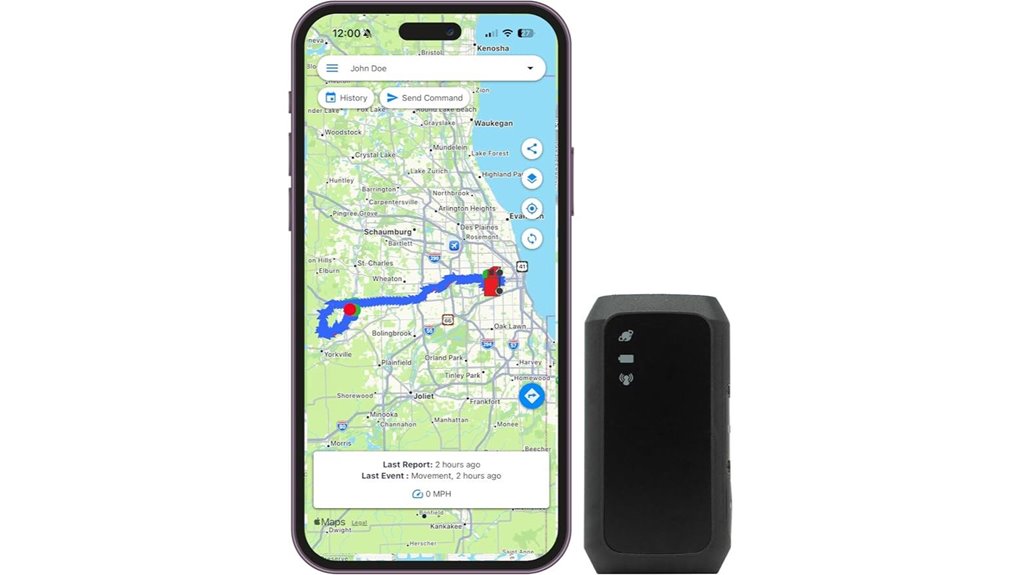
Optimus 3.0 suits drivers needing long-lasting, real-time tracking without frequent recharging. This 4G LTE tracker supports vehicles, machinery, valuables, and even elderly or child monitoring across the USA. With 1-minute reporting, the battery can last up to one month, and updates can be adjusted to every 10 seconds for tighter oversight. Instant alerts enhance live visibility. A SIM card is included, but a monthly subscription is required. Weighing just 0.2 kg, it uses durable materials and includes a lifetime warranty while the subscription remains active.
Best For: Drivers, fleet owners, and caregivers who need long-lasting, real-time GPS tracking for vehicles, assets, or loved ones across the USA.
Pros:
- Up to 1 month of battery life with 1-minute reporting
- Customizable real-time updates as frequent as every 10 seconds
- SIM card included with instant alerts and lifetime warranty while subscribed
Cons:
- Requires a monthly subscription to function
- Best coverage is limited to the USA
- Not ideal for users who want a very lightweight or ultra-compact tracker
Kayo Business Fleet GPS Tracker for Vehicles
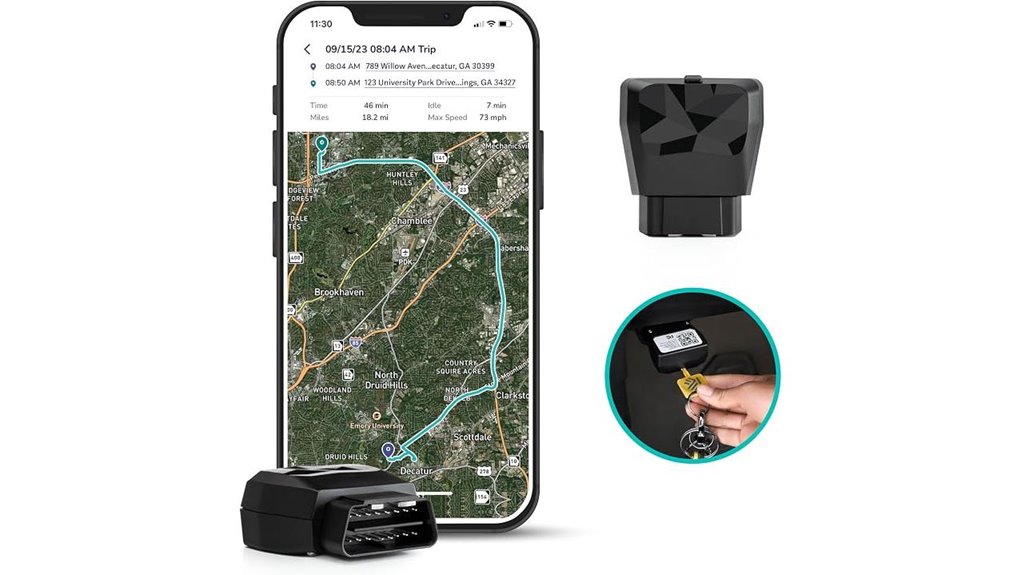
Kayo’s plug-in KFT01 suits businesses needing real-time fleet oversight. The device uses 4G LTE and 5G cellular connectivity for real-time GPS tracking, making it useful for fleet management, transportation, logistics, field services, construction, and broader business operations. Its simple activation and built-in media SIM card reduce setup friction. Compact at 2.25 x 2.25 x 1 inches, it plugs directly into a vehicle for continuous monitoring. A 14-day free trial, 1-year manufacturer warranty, and 4.1-star rating from 537 reviews add practical confidence for commercial users.
Best For: Businesses that need a plug-in, real-time GPS tracker for fleet management, logistics, field services, construction, and other vehicle-based operations.
Pros:
- 4G LTE and 5G cellular connectivity supports real-time GPS tracking.
- Simple activation and built-in media SIM card make setup easier.
- Includes a 14-day free trial, 1-year warranty, and solid 4.1-star customer rating.
Cons:
- Requires cellular service, so coverage may vary by location.
- Designed for business fleet use, so it may be more than casual drivers need.
- Plug-in form factor may not suit every vehicle or installation preference.
Factors to Consider When Choosing Car GPS Trackers 2026: Tested Picks for Vehicle Location and Security

When evaluating car GPS trackers in 2026, tracking accuracy and battery life remain central to reliable vehicle location and security. Installation type also matters, since some units are hardwired while others use simple plug-in or magnetic setups. Alert features and subscription costs round out the decision, helping determine how useful and affordable the tracker will be over time.
Tracking Accuracy
Tracking accuracy depends largely on the tracker’s network and hardware, with 4G LTE models typically delivering faster, more reliable location updates than older systems. Update frequency also matters: reports every few seconds can support near-real-time monitoring, while longer intervals may leave gaps in positioning. Geofencing further improves usefulness by defining boundaries and triggering alerts when a vehicle enters or exits a chosen zone. Signal quality remains important because clear satellite visibility produces better results; buildings, tunnels, and dense trees can weaken reception and reduce precision. Some advanced trackers add motion sensors or accelerometers, which help refine location data while the vehicle is moving. Together, these factors determine how closely a tracker reflects a vehicle’s actual position and movement.
Battery Life
Battery life is a key practical consideration because it determines how often a GPS tracker must be recharged or replaced. Shorter-lived units may need attention every few days, while better models can last weeks or months, depending on reporting frequency and usage. Motion-activated tracking can preserve power by reducing activity when a vehicle is parked. Adjustable update intervals also help, letting users choose between frequent location updates and longer operating time. For buyers, the main question is whether constant visibility or longer endurance matters more. Hardwired trackers avoid recharging altogether by drawing vehicle power, while battery-operated devices depend on their internal capacity. Evaluating battery life alongside expected tracking habits helps guarantee the chosen device remains reliable without creating unnecessary maintenance.
Installation Type
Installation type is one of the most practical factors to weigh, because it affects both convenience and how discreetly a tracker can be used. Plug-and-play models that connect to the OBD2 port are the easiest choice, especially for vehicles from 1996 onward, since they can be installed without professional help. Hardwired trackers demand more effort, but they draw power directly from the battery and suit long-term monitoring because they remove battery upkeep. Ultra-compact units offer another advantage, as they can be hidden with magnets or similar mounts. Some designs are motion-activated, which conserves power by staying idle until movement begins. Setup also differs widely: certain trackers pair quickly through apps or QR codes, while others require technical installation skill.
Alert Features
Strong alert features are among the most valuable parts of a car GPS tracker, since they turn location data into timely, actionable warnings. Effective systems typically include customizable speed notifications, geofencing alerts, and movement tracking, giving owners a clearer view of vehicle activity. Real-time warnings for hard braking, rapid acceleration, and other unsafe driving behaviors can help promote safer habits behind the wheel. Geofencing is especially useful because it sends instant notifications when a vehicle enters or exits a defined area. Impact or accident alerts add another layer of protection by notifying the owner or designated contacts quickly. Some trackers also provide historical data alerts, making it easier to review trip patterns, monitor usage, and spot maintenance-related concerns before they become larger problems.
Subscription Costs
Subscription costs are a key factor when comparing car GPS trackers, since many devices require an ongoing plan to activate core features such as real-time tracking, alerts, and location history. Typical monthly fees fall between $9.95 and $19.95, while annual plans can lower the effective cost for users willing to commit longer. Plan pricing often reflects update frequency, with more frequent location pings usually costing more. Total ownership should also include possible activation charges and equipment costs, which can change the value of a seemingly low monthly rate. Some providers allow cancellation at any time without hidden penalties, making them easier to test or discontinue. Evaluating both required services and extra fees helps determine which tracker offers the best long-term balance of features and affordability.
Coverage Range
Beyond pricing, coverage range often determines whether a car GPS tracker is genuinely dependable in daily use. Strong devices maintain reliable connectivity across the areas where the vehicle actually travels, and 4G LTE or 5G support usually improves reach and stability. Location refresh speed also matters; in busy corridors, updates every few seconds can make live tracking far more useful. For travelers crossing borders, worldwide cellular coverage helps preserve uninterrupted monitoring abroad. Some models let users adjust update intervals, trading tighter tracking for longer battery life when needed. Subscription terms deserve attention too, because network access is often tied to recurring plans that influence total cost and cancellation flexibility. The best choice matches coverage to real routes, not marketing claims, ensuring security remains consistent where it counts most.
Vehicle Compatibility
Vehicle compatibility should be checked first, because a tracker only helps if it fits the vehicle and installation method being used. For many vehicles from 1996 onward, OBD2 plug-in trackers are the simplest choice because they connect directly to the diagnostic port. Compatibility also matters across vehicle types: some models work with cars, motorcycles, ATVs, and fleet vehicles, while others are limited to one class. When permanent power is preferred, hardwired units offer continuous operation without battery changes. Size and design affect fit as well; ultra-compact trackers can be hidden more easily and adapted to tighter spaces. Finally, the device must work in the areas where the vehicle travels, with dependable cellular coverage for accurate real-time tracking and alerts.
Frequently Asked Questions
Can GPS Trackers Work Without a Cellular Signal?
Yes, GPS trackers can work without a cellular signal for location detection, because they receive satellite data independently. However, cellular service is often needed to transmit that location to a phone or monitoring platform in real time. Without cellular coverage, a tracker may still log positions internally and upload them later. Some models use Wi-Fi, Bluetooth, or radio alternatives, but their range and features are more limited overall.
Are Hidden Trackers Legal for Personal Vehicles?
Hidden trackers for personal vehicles are generally legal when the owner or lawful user installs them on a vehicle they control. Problems arise if they are placed on someone else’s car without consent, because stalking, privacy, or trespass laws may apply. Some states also restrict covert tracking of adults, spouses, or employees. He should check local laws, lease terms, and insurance rules before using any hidden device.
How Accurate Are GPS Trackers in Underground Garages?
GPS trackers are usually less accurate in underground garages because satellite signals weaken or disappear beneath concrete and steel. Location updates may drift several meters, pause entirely, or switch to nearby cell or Wi‑Fi positioning if supported. Once the vehicle moves back into open sky, accuracy typically returns quickly. Devices with cellular triangulation or inertial sensors tend to perform better in these conditions than GPS-only units.
Do GPS Trackers Drain a Car Battery Quickly?
No, GPS trackers usually do not drain a car battery quickly. Most modern units draw very little power, especially when hardwired or set to sleep modes. Battery impact becomes noticeable only with faulty devices, poor installation, or very frequent live tracking. A healthy vehicle battery can typically handle a tracker without issue. Regular checks still help guarantee the tracker is not causing unnecessary drain or hidden electrical problems.
Can One Tracker Monitor Multiple Vehicles?
Like a single lighthouse guiding several ships, one tracker can monitor multiple vehicles only if it is moved between them or installed within a fleet system. A standalone unit generally reports the location of whichever vehicle it is attached to, not several at once. Fleet platforms, however, can support multiple trackers under one account, allowing centralized monitoring, alerts, and history for each vehicle without confusion or overlap.
Conclusion
In the end, the best car GPS tracker acts like a quiet guardian in the shadows, watching over a vehicle with steady vigilance. Whether the choice is a discreet AirTag, a long-lasting LandAirSea 54, or a feature-rich Bouncie, each device offers a different thread in the safety net. As roads stay unpredictable, these trackers help turn uncertainty into confidence, giving vehicle owners a clearer map through the maze of modern security.