Cleaner air filters remain a practical upgrade for drivers in 2027, with options ranging from Bosch workshop models to K&N’s washable lifetime designs. Some focus on trapping more dirt, while others aim to improve airflow and cabin comfort. The differences are not always obvious at first glance, and the best choice may depend on the vehicle and driving needs. A closer look reveals which filters actually stand out.
BOSCH 5123WS Workshop Engine Air Filter – 98% Efficiency at Capturing Dirt
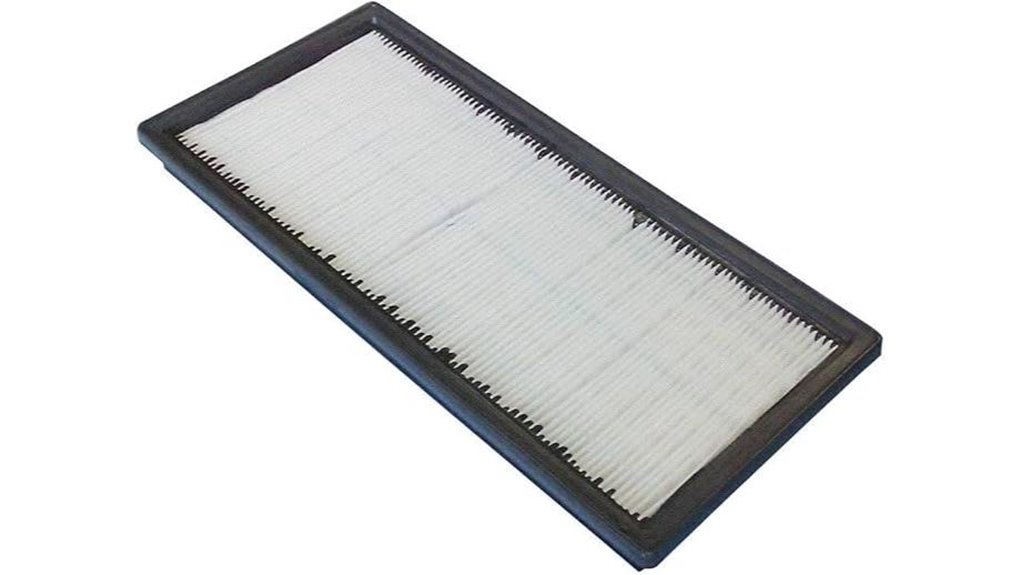
The BOSCH 5123WS Workshop Engine Air Filter is a strong choice for drivers who want dependable engine protection with minimal airflow restriction. It is designed for high performance, with 98% efficiency in capturing dirt and small particles. Its high number of pleats increases particle holding capacity, while high-velocity cellulose cured media supports steady airflow. Even pleat spacing helps maintain ideal function. A polyurethane foam seal adds elasticity and strengthens sealing performance against water and heat intrusion. It fits select Subaru models, including Baja, Impreza, Legacy, and Outback, though vehicle-specific fitment should be verified before purchase.
Best For: Subaru owners looking for a reliable replacement engine air filter that offers strong dirt capture and solid protection with low airflow restriction.
Pros:
- 98% efficiency in capturing dirt and small particles
- High pleat count improves particle-holding capacity
- Polyurethane foam seal helps protect against water and heat intrusion
Cons:
- Fitment is limited to select Subaru models
- Vehicle-specific compatibility must be verified before purchase
- Not a performance upgrade for drivers seeking maximum airflow gains
BOSCH 5334WS Workshop Engine Air Filter – 98% Efficiency at Capturing Dirt
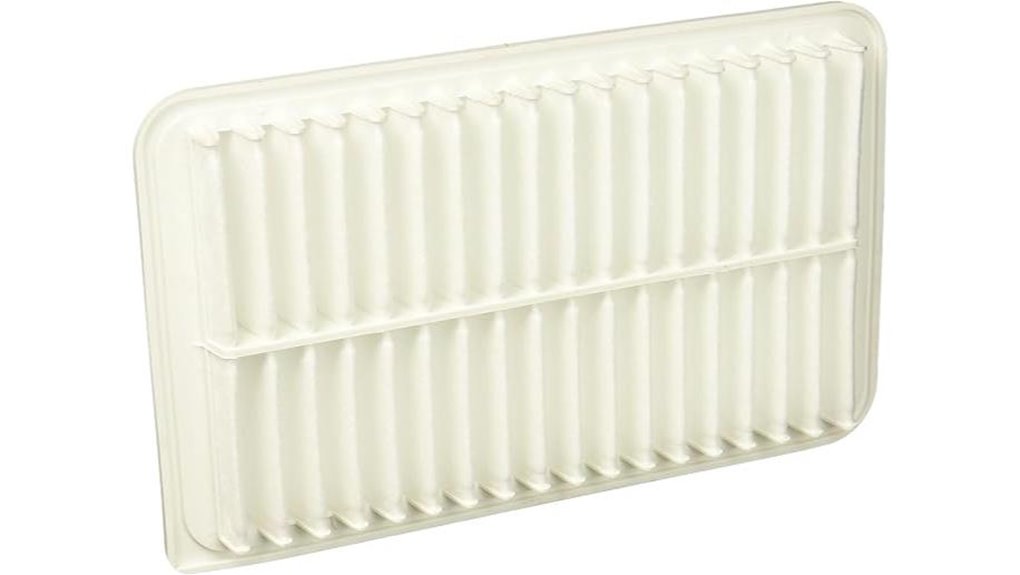
Bosch’s 5334WS suits drivers who want dependable engine protection and low airflow resistance. The Workshop Engine Air Filter captures 98% of dirt and small particles, helping limit engine wear in daily driving. Its high pleat count increases particle-holding capacity, while high-velocity cellulose cured media supports steady airflow and minimal restriction. A polyurethane foam seal adds elasticity and helps block water and heat intrusion. The filter is compatible with select Lexus and Toyota models, including Camry, Highlander, Sienna, and RX350. Checking it at each oil change keeps protection and efficiency strong.
Best For: Drivers of select Lexus and Toyota vehicles who want a reliable replacement engine air filter with strong dirt capture and low airflow resistance.
Pros:
- Captures 98% of dirt and small particles for solid engine protection.
- High pleat count and cellulose cured media help maintain airflow and particle-holding capacity.
- Polyurethane foam seal improves fit and helps block water and heat intrusion.
Cons:
- Fitment is limited to select vehicle models, so compatibility must be verified.
- As a standard replacement filter, it may need regular checks and replacement at oil changes.
- Performance benefits depend on timely maintenance and a proper vehicle match.
AEM 2820385 DryFlow Air Filter for Ford F-150/F-250/F-350

Built for Ford trucks, AEM’s 2820385 DryFlow filter suits drivers seeking reusable performance. It is engineered for select Ford F-150, F-250, and F-350 models, and it is cleanable for the life of the vehicle. The design helps increase horsepower and throttle response while capturing up to 99% of harmful contaminants. Made in the USA, it is also built for durability in dusty racing conditions. Easy cleaning supports long-term use without sacrificing efficiency, making it a practical choice for owners who want sustained airflow performance and dependable engine protection.
Best For: Ford F-150, F-250, and F-350 owners looking for a reusable, easy-to-clean performance air filter that improves airflow and engine protection.
Pros:
- Cleanable and reusable for the life of the vehicle
- Helps increase horsepower and throttle response
- Captures up to 99% of harmful contaminants and performs well in dusty conditions
Cons:
- Only fits select Ford truck models
- Performance gains may be modest for drivers not seeking aftermarket upgrades
- Requires periodic cleaning and maintenance to stay effective
K&N High-Flow Lifetime Engine Air Filter (33-2129)
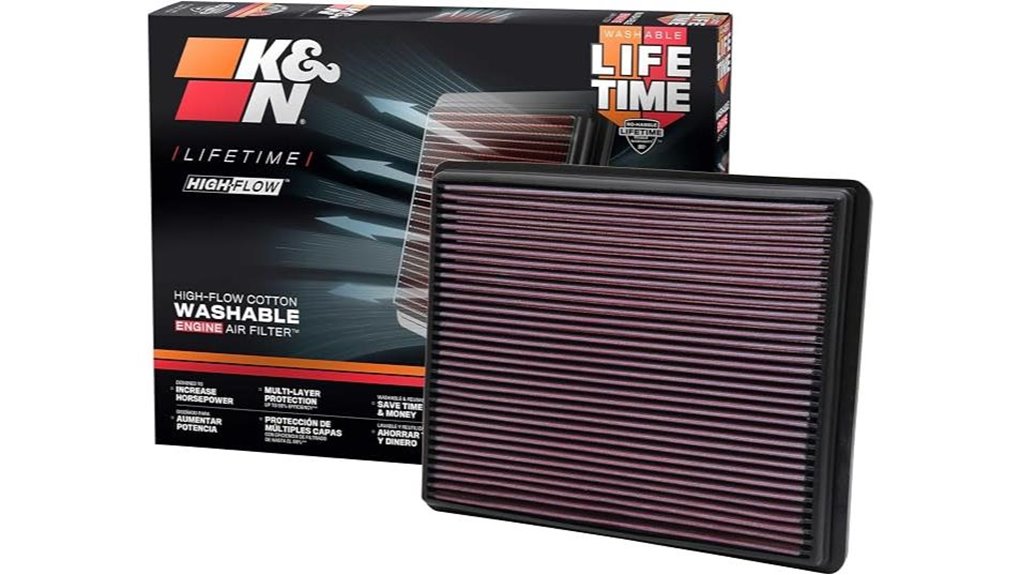
K&N’s 33-2129 is ideal for drivers seeking reusable performance in compatible GM trucks and SUVs. This high-flow lifetime engine air filter fits many 1999-2020 Cadillac, Chevrolet, and GMC models, including the Escalade, Silverado, Suburban, Tahoe, Sierra, and Yukon. It is engineered to boost horsepower, acceleration, and overall engine response. Built with durable materials, it is washable, reusable, and designed to last for years, with cleaning recommended every 75,000 miles under normal highway use. Pre-treated for easy factory air box installation, it includes a limited lifetime warranty and is made in the USA.
Best For: Drivers of compatible GM trucks and SUVs who want a reusable, high-flow engine air filter that can improve performance and last for years.
Pros:
- Boosts horsepower, acceleration, and overall engine response
- Washable, reusable, and designed for long-term use
- Easy factory air box installation with a limited lifetime warranty
Cons:
- Only fits specific 1999-2020 Cadillac, Chevrolet, and GMC models
- Requires periodic cleaning and maintenance
- May not appeal to buyers looking for the lowest upfront-cost replacement filter
BMC Air Filter for Audi R8 5.2L V10
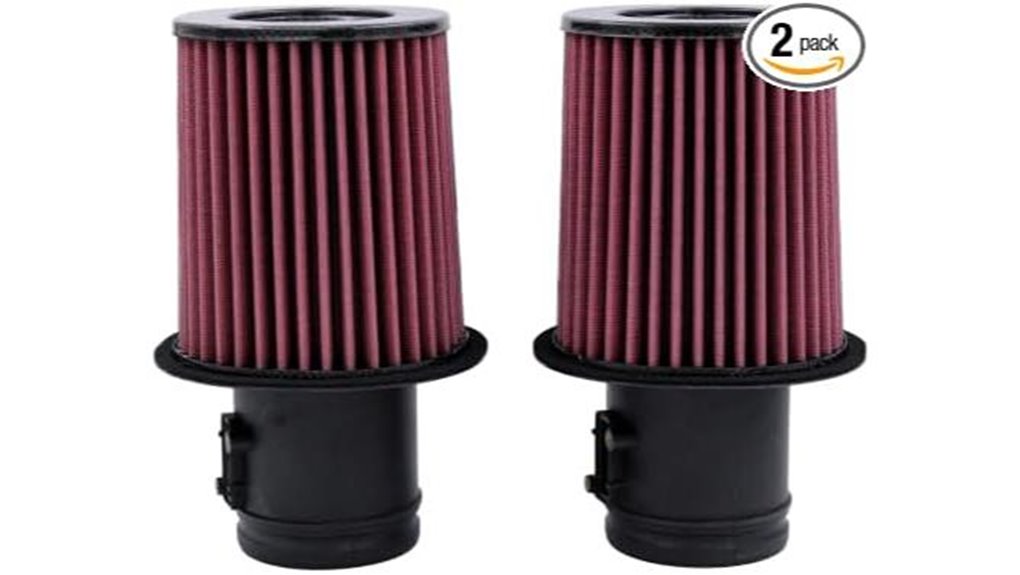
The BMC Air Filter suits Audi R8 5.2L V10 owners wanting a reusable performance upgrade. Designed for 2009-2012 AD R8 5.2L V10 AD Quattro and R-Tronic models, it serves as a cylindrical carbon replacement filter for the induction system. Its multi-layered cotton gauze is soaked with low-viscosity oil and reinforced with epoxy-coated alloy mesh to resist petrol fumes and humidity. The filter is washable, pre-oiled, and regenerable with a BMC kit. Installation is straightforward, requiring the air-box to be opened and the unit placed like the OEM filter. BMC backs it with a two-year defect promise from purchase.
Best For: Audi R8 5.2L V10 owners (2009-2012 Quattro/R-Tronic) looking for a washable, reusable performance air filter replacement.
Pros:
- Washable and reusable for long-term use
- Pre-oiled and regenerable with a BMC kit
- Easy OEM-style installation
Cons:
- Fits only specific 2009-2012 Audi R8 5.2L V10 models
- Requires periodic cleaning and re-oiling
- May be more expensive than standard paper filters
Hengst-E1346L Air Filter

With its vehicle-specific fit, the Hengst-E1346L suits BMW drivers seeking a precise OEM-style replacement. This rectangular Hengst filter, part number E1346L, is built for stable, leak-proof operation and uses flame-retardant, waterproof media for durability. It is designed to handle high intake demands, supporting airflow up to 2,400 m³ per hour while removing foreign particles from intake air. By helping maintain the proper air-fuel mixture, it supports efficient combustion and fuel economy. OEM equivalents include BMW 13 71 8 577 170, 13 71 8 577 171, and 13 71 8 691 835.
Best For: BMW drivers looking for a vehicle-specific, OEM-style replacement air filter with durable, leak-proof performance and strong airflow support.
Pros:
- Vehicle-specific fit for BMW applications, helping ensure a precise replacement.
- Flame-retardant, waterproof, and 100% leak-proof design for durability and stability.
- Supports high airflow and helps maintain an efficient air-fuel mixture for better combustion.
Cons:
- Limited compatibility since it is designed for specific BMW models only.
- Replacement-focused product with no extra included accessories beyond the air filter itself.
- Performance benefits depend on proper installation and regular maintenance.
K&N LIFETIME Cabin Air Filter: Premium, Washable, Clean Air for your Cabin
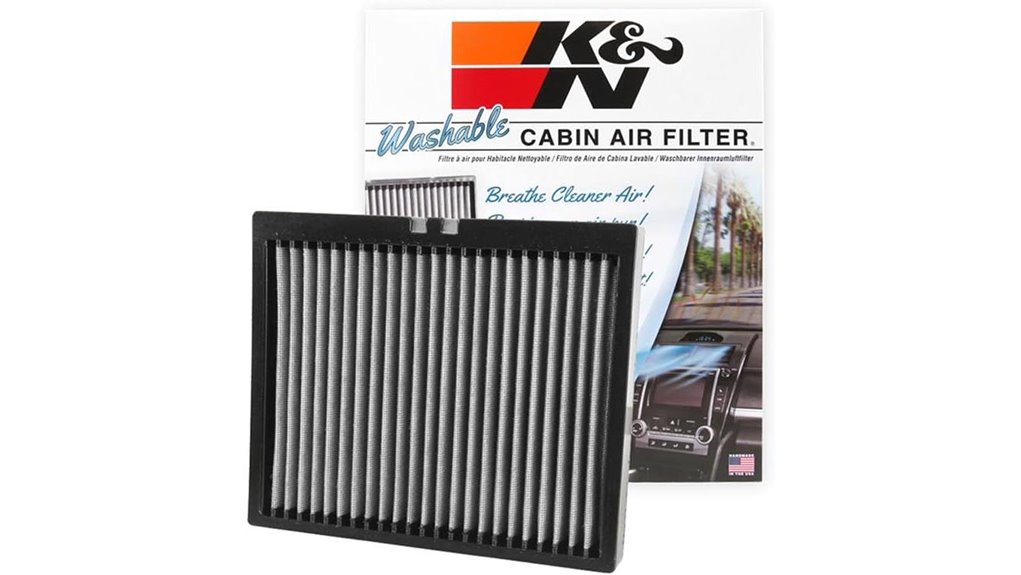
K&N Lifetime Cabin Air Filter suits drivers who want washable, long-lasting cabin air protection. This premium reusable filter is engineered for the vehicle’s lifespan and installs easily in the factory air box, often in under five minutes without tools. Its treated media helps prevent musty odors common with disposable filters, while increased airflow can support better heating and cooling efficiency inside the cabin. The washable design also reduces landfill waste, offering a more sustainable option. For drivers seeking cleaner air, simple upkeep, and durable performance, it presents a practical cabin upgrade.
Best For: Drivers who want a washable, long-lasting cabin air filter that installs easily, helps reduce odors, and supports better airflow in the cabin.
Pros:
- Washable and reusable for the vehicle’s lifespan
- Easy, tool-free installation in the factory air box
- Treated media helps prevent musty odors while improving airflow
Cons:
- Higher upfront cost than many disposable filters
- Requires periodic cleaning and maintenance
- May not be the best choice for drivers who prefer a simple replace-and-forget option
Factors to Consider When Choosing Car Air Filters 2026: Breathe Cleaner on Every Drive

When selecting a car air filter in 2026, filtration efficiency should be weighed alongside proper vehicle fitment to guarantee clean air without installation issues. Airflow performance and filter material also matter, since they influence engine response and overall protection. Washable reusability may further appeal to drivers seeking lower long-term maintenance costs.
Filtration Efficiency
Filtration efficiency remains one of the most important factors in choosing a car air filter, since high-quality options can capture up to 99% of harmful contaminants and help reduce engine wear. Pleated designs often improve particle-holding capacity while supporting airflow, which can help engines run more smoothly under varying conditions. Some filters use high-velocity cellulose media to reduce air resistance without sacrificing contaminant capture, allowing peak intake performance. Polyurethane foam seals add elasticity and sealing strength, limiting water and heat intrusion into the air intake system. Even strong filters lose effectiveness over time, so regular inspection and replacement are essential. Many manufacturers recommend checking the filter at every oil change to restore filtration efficiency and maintain consistent engine protection and performance.
Vehicle Fitment
Vehicle fitment is a critical checkpoint in choosing a car air filter, because an improper match can reduce performance and increase the risk of engine damage. Compatibility should be verified against the vehicle’s make, model, and year, since filter dimensions and sealing points can differ even among similar vehicles. Many products cover a broad range of applications, but broad coverage does not guarantee an exact match. Manufacturer fitment charts, part databases, and official guidelines provide the most reliable confirmation before purchase. A correctly matched filter helps protect the engine, supports consistent operation, and may improve fuel efficiency over time. It can also extend service life by reducing premature wear from poor installation or an ill-fitting housing.
Airflow Performance
Airflow performance is a key measure of how well a car air filter supports engine efficiency, since high-flow designs can help increase horsepower and throttle response by letting more air reach the engine. Filters with many pleats can improve particle-holding capacity while keeping resistance low, which helps maintain steady intake flow. Some high-performance options capture up to 99% of harmful contaminants without unduly restricting air movement, supporting cleaner combustion and more responsive driving. Consistent airflow may also aid fuel efficiency by promoting a more effective fuel-air mixture. To preserve these benefits, regular inspection, maintenance, and timely replacement are essential. Over time, a neglected filter can limit intake, increase engine strain, and reduce the performance gains that make airflow an important buying consideration.
Filter Material
Material choice plays a major role in how well a car air filter balances clean airflow and engine protection. High-velocity cellulose media is valued for low air resistance and dependable dirt capture, making it a practical option for steady filtration. Multi-layered cotton gauze can trap contaminants effectively while adding strong structural support, and filters with more pleats increase particle-holding capacity for longer service life. Polyurethane foam seals also matter because they help create a tight fit and reduce the chance of water or heat intrusion into the intake system. In addition, flame-retardant and waterproof materials improve durability and help the filter remain stable under changing driving conditions. Together, these material traits influence how consistently the engine receives cleaner air over time.
Washable Reusability
Washable car air filters add another layer to the material discussion by focusing on long-term reuse instead of one-time replacement. Their main appeal lies in reducing waste because one unit can often outlast many disposable filters, supporting a more sustainable ownership pattern. Designed for straightforward cleaning, they can be returned to service without frequent purchases, helping preserve steady airflow and filtration as the engine ages. Many versions use advanced materials that improve durability while still capturing harmful contaminants effectively. Under normal driving conditions, maintenance is commonly recommended around every 75,000 miles, though actual intervals depend on use. The higher upfront price can be offset by fewer replacements over time, making washable filters a practical choice for drivers who value both economy and longevity.
Seal Quality
Seal quality plays a critical role in how well a car air filter protects the engine, since even small gaps can let unfiltered air and contaminants bypass the media and cause long-term damage. A tight seal helps preserve airflow, maintain pressure, and support efficient engine performance. High-quality designs often use polyurethane foam or similar materials that stay elastic under heat and resist water intrusion in the intake system. That resilience matters because exposure to moisture and temperature swings can weaken lesser seals. Wear and tear can also reduce sealing integrity, so careful inspection of the rim and mating surface remains important. Filters with superior sealing technology generally offer stronger protection, longer service life, and better fuel efficiency by keeping intake air cleaner and more consistent.
Maintenance Intervals
Maintenance intervals are a key part of choosing the right car air filter, since replacement timing directly affects engine protection and air quality. Most standard air filters should be checked every 15,000 to 30,000 miles, though driving habits, climate, and vehicle type can shift that range. Engine air filters are best inspected at each oil change, allowing issues to be caught before performance declines. Cabin air filters usually need replacement every 12,000 to 15,000 miles, or about once a year, especially where dust and pollen are common. Performance air filters may last much longer, with some rated for up to 75,000 miles before cleaning. Following manufacturer guidance helps maintain cleaner intake air and consistent vehicle performance over time, while reducing unnecessary replacement costs.
Engine Protection
Beyond replacement timing, engine protection depends on how well a filter blocks contaminants under real driving conditions. High-efficiency designs can capture up to 99% of harmful particles, reducing wear on internal components and helping extend engine life. Pleat count also matters; more pleats increase holding capacity, so dirt and fine debris stay trapped longer instead of reaching the intake. Sealing quality is equally important. Polyurethane foam and similar materials improve closure around the housing, limiting water and heat intrusion that can damage sensitive parts. A filter’s construction should also include flame-retardant and waterproofing features to maintain stable operation. When maintenance includes timely inspection and replacement, airflow is restored, performance remains steady, and fuel efficiency is better preserved over time.
Frequently Asked Questions
How Often Should I Replace My Car Air Filter?
A car air filter should typically be replaced every 12,000 to 15,000 miles, or about once a year, though the exact interval depends on driving conditions and the vehicle’s manual. Dusty roads, heavy traffic, and frequent short trips can shorten its life. A dirty filter may reduce engine performance and fuel efficiency. Regular inspections help determine whether replacement is needed sooner, keeping airflow clean and maintenance on schedule.
Can a Dirty Air Filter Reduce Fuel Economy?
Yes, a dirty air filter can reduce fuel economy. It restricts airflow to the engine, which may cause the fuel system to compensate by using more fuel, especially in older vehicles with less advanced engine management. The effect is usually modest at first, but it can grow as the filter becomes more clogged. Replacing a neglected filter helps maintain efficient combustion, smoother performance, and better overall engine breathing.
Are Reusable Air Filters Worth the Higher Price?
Reusable air filters can be worth the higher price for drivers who keep vehicles long term and are willing to clean them regularly. They may save money over time because replacement is less frequent. However, their real-world gains are often modest, and poor maintenance can reduce performance. For short-term ownership or low-mileage use, a standard disposable filter is usually the simpler and cheaper choice.
Do Cabin Air Filters Remove Odors and Allergens?
Yes—cabin air filters can act like a quiet gatekeeper, catching dust, pollen, and some airborne irritants before they enter the cabin. In the allegory of a moving house with one guarded window, odors may be softened, but not all are defeated. Standard filters help most with allergens; activated carbon versions do better against smells. Their effectiveness depends on filter quality, vehicle maintenance, and replacement intervals.
Will a Performance Air Filter Void My Car Warranty?
A performance air filter usually will not void a car warranty by itself. Warranty coverage is typically denied only if the filter is proven to have caused the specific failure, such as engine damage from poor filtration or improper fitment. Manufacturer terms and local laws can vary, so the owner should keep receipts and install the part correctly. When uncertain, consulting the dealer or warranty booklet is the safest approach.
Conclusion
Overall, the seven filters appear to support a simple theory: better filtration does not have to sacrifice airflow or convenience. Evidence across the lineup suggests that washable, high-efficiency designs can help engines breathe cleaner, cabin air stay fresher, and maintenance become easier. Still, fitment and driving conditions matter, so no single filter is ideal for every vehicle. The best choice is the one that matches the car, the climate, and the driver’s priorities.