
The best brake cleaner is a residue-free aerosol made for brake parts, such as CRC Brakleen, Johnsen’s 2417, 3M 08880 or Berryman 2420, used only on brake components with the right safety precautions.
Disclosure: As an Amazon Associate we earn from qualifying purchases. If you buy through links on this page we may earn a commission at no extra cost to you.
These four are compared from manufacturer and retailer listings, not hands-on testing. Brake cleaners are solvents: some are flammable, some are chlorinated, and some are restricted in certain regions, so read the label and safety data sheet before use.
Quick answer: Chlorinated, non-flammable, strong: CRC Brakleen (restricted in some US states; check local rules). Non-chlorinated options: Johnsen’s 2417 and Berryman 2420, which can be more flammable, so keep away from heat and flame. High-pressure stream: 3M 08880. Never spray brake cleaner near flames, hot brakes you plan to weld near, or on painted or rubber parts you want to keep.
Brake cleaner comparison
| # | Product | Best for | Link |
|---|---|---|---|
| 1 |
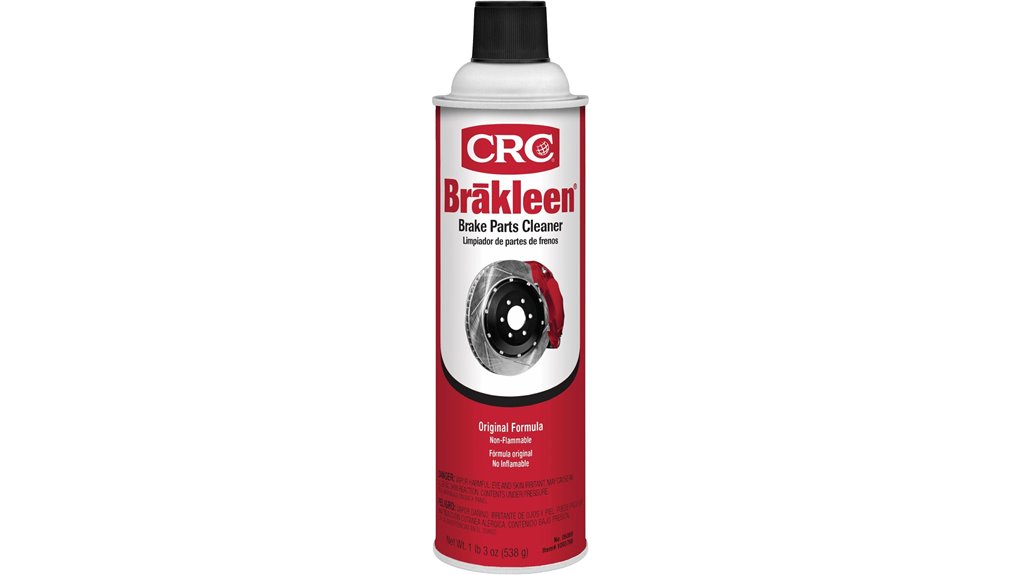 CRC Brakleen Brake Parts Cleaner Spray – Non-Flammable – 19 oz |
Non-flammable 19 oz brake parts cleaner | Check price on Amazon |
| 2 |
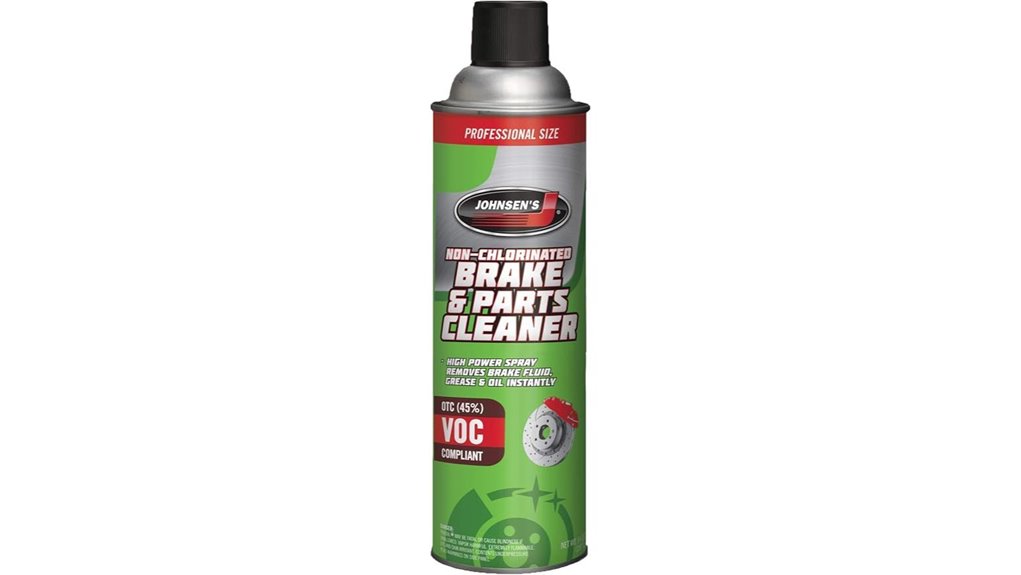 Johnsen’s 2417 OTC Compliant Non-Chlorinated Brake Cleaner – 14 oz. |
OTC-compliant non-chlorinated 14 oz cleaner | Check price on Amazon |
| 3 |
 |
High-pressure targeted spray | Check price on Amazon |
| 4 |
 |
Fast-drying non-chlorinated cleaner | Check price on Amazon |
CRC Brakleen Brake Parts Cleaner Spray – Non-Flammable – 19 oz
CRC Brakleen is a 19 oz non-flammable brake parts cleaner for removing grease, brake dust, brake fluid and oil. The listing says it is not sold in California, New Jersey or Catalina Island because of local rules.
- Size: 19 oz aerosol
- Flammability: Listed as non-flammable
- Restrictions: Not for sale in California, New Jersey or Catalina Island per the listing; check your own region
Best for: Brake service where a non-flammable formula is wanted and local rules allow it.
Pros
- Removes grease, dust, fluid and oil
- Non-flammable per the maker
- Large can
Limitations
- Not available everywhere
- For brake parts, not general-purpose cleaning
- Chlorinated solvents need extra caution near heat
Johnsen’s 2417 OTC Compliant Non-Chlorinated Brake Cleaner – 14 oz.
Johnsen’s 2417 is a 14 oz non-chlorinated brake cleaner that the listing says is OTC compliant. It targets oil, grease and brake fluid on metal brake parts, including ABS, disc and drum systems. Check the label for flammability before use.
- Size: 14 oz aerosol
- Formula: Non-chlorinated, unscented, OTC compliant per the listing
- Use: Metal brake parts: ABS, disc and drum systems
Best for: Brake jobs in regions with solvent regulations.
Pros
- Non-chlorinated
- Meant to leave no residue
- Unscented
Limitations
- Smaller can
- For metal parts rather than mixed materials
- Check the label for flammability warnings
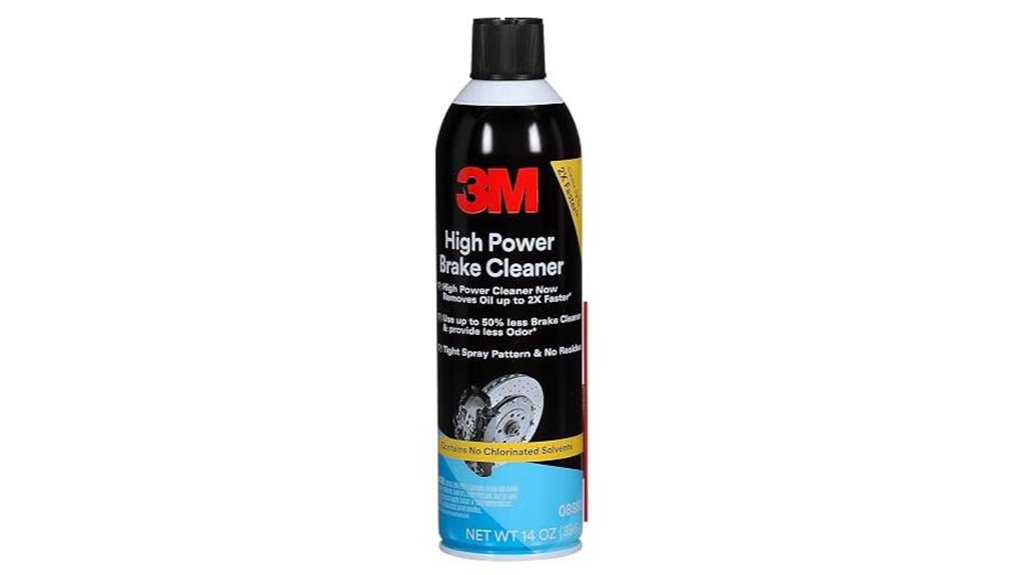
3M High Power Brake Cleaner, 08880, 14 oz Net Wt
3M 08880 is a 14 oz aerosol with a large actuator that gives a concentrated stream. 3M says it removes oil faster and with less product than conventional cleaners; treat that as a maker claim.
- Size: 14 oz net weight
- Delivery: High-pressure stream with large actuator
- Use: Brake components and greasy automotive metal parts
Best for: Targeted flushing of brake dust and grease.
Pros
- Concentrated stream
- Designed to leave no residue
- Helps reduce squeal and chatter if contamination is the cause, per the maker
Limitations
- Solvent-based; check the label for flammability
- Strong spray needs care around delicate parts
- Maker speed and usage claims are not independently verified
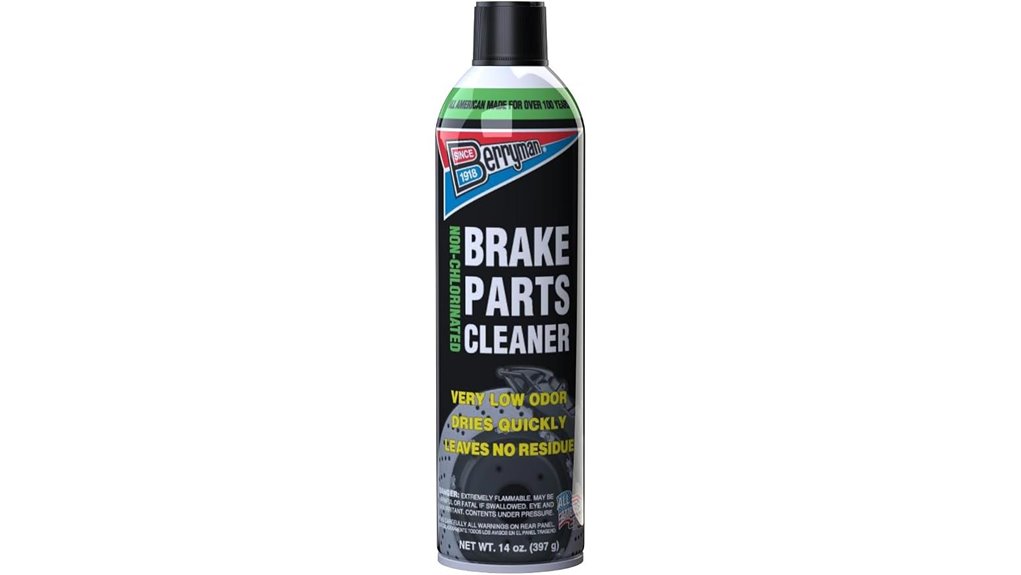
Berryman 2420 Non-Chlorinated Brake Parts Cleaner, 14-Ounce
Berryman 2420 is a fast-drying non-chlorinated aerosol for brake linings, pads, rotors, drums, cylinders and springs. The listing says it cannot be used in California or Utah. Fast-evaporating solvents are typically flammable, so handle it with care.
- Size: 14 oz aerosol
- Formula: Non-chlorinated, residue-free per the listing
- Restrictions: Not for use in California or Utah per the listing
Best for: General brake maintenance where non-chlorinated products are required.
Pros
- Dries quickly
- Wide parts list
- Non-chlorinated
Limitations
- Likely flammable: keep away from heat and flames
- Regional restrictions
- Small can
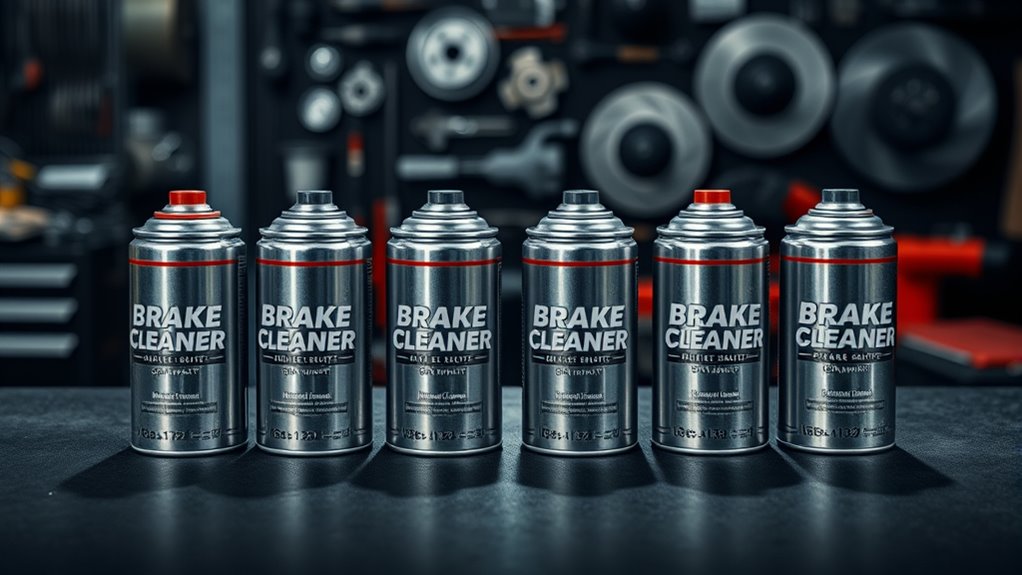
How to choose the best brake cleaner
- Chlorinated or non-chlorinated: chlorinated cleaners are usually non-flammable but can create toxic gas near heat or welding; non-chlorinated ones are often flammable.
- Regulations: some regions restrict formulas. Check local rules and shipping limits for aerosols to Canada.
- Compatibility: brake cleaner can damage paint, rubber and plastic. Keep it off those.
- Residue: choose a product that evaporates without a film on pads and rotors.
How to use brake cleaner safely
- Work outdoors or in a ventilated area with the car properly supported on jack stands and the wheels off.
- Wear nitrile gloves and eye protection. Avoid breathing the mist.
- Keep it away from flames, sparks and hot components.
- Spray rotors, calipers and hardware as directed, let it dry fully, and keep it off friction surfaces you plan to reuse, paint and rubber.
- Do not blow brake dust with compressed air; wet-clean it instead.
Brake cleaner FAQ
Can brake cleaner damage rubber seals?
Yes, it can. Many solvents swell or harden rubber and some plastics, so keep it off seals, boots and hoses unless the label says it is safe.
Is brake cleaner safe on painted surfaces?
No, not generally. It can dull or strip paint and clear coat, so wipe any overspray away immediately.
How long does brake cleaner take to dry?
Usually within a few minutes, depending on temperature, airflow and how much you used. Let it dry fully before reassembling or driving.
Can brake cleaner remove adhesive residue?
It can soften some fresh residue on bare metal, but a dedicated adhesive remover is safer for paint, plastic and rubber.
Does brake cleaner expire?
Aerosols can lose propellant or become contaminated if damaged or stored badly. Check the can for rust or leaks and replace it if it sprays weakly.
Bottom line
Choose CRC Brakleen if a non-flammable chlorinated cleaner is allowed where you live, Johnsen’s 2417 or Berryman 2420 for non-chlorinated needs, and 3M 08880 for a strong targeted stream. Links go to Amazon.com, so check availability, regional restrictions and shipping rules for aerosols in Canada.
Related reading
- Best brake pads for safe, quiet stopping power
- Best brake rotors on a budget
- Best brake dust cleaners for spotless wheels
- Best jack stands



[…] the shipping oil with a brake cleaner before […]