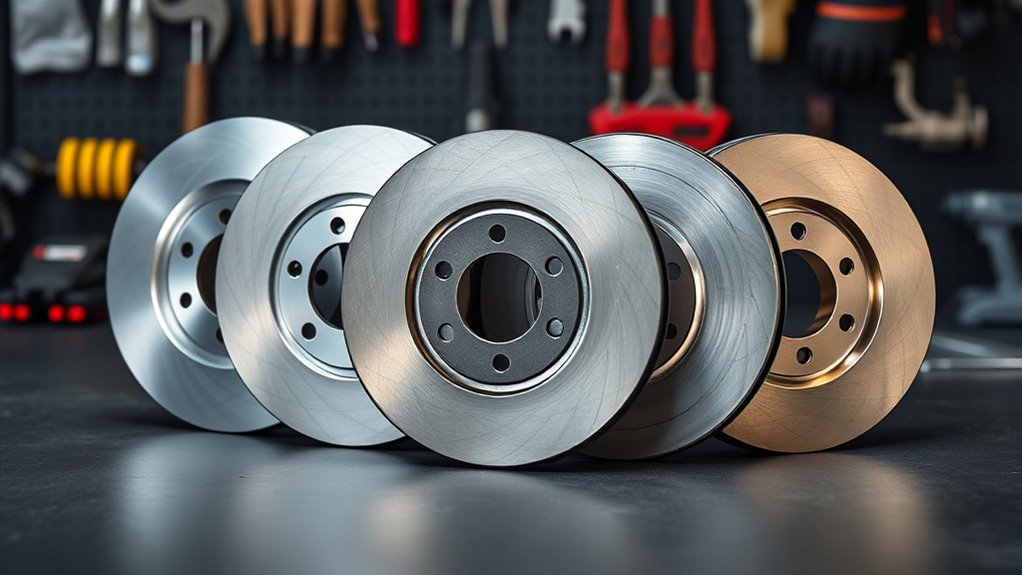
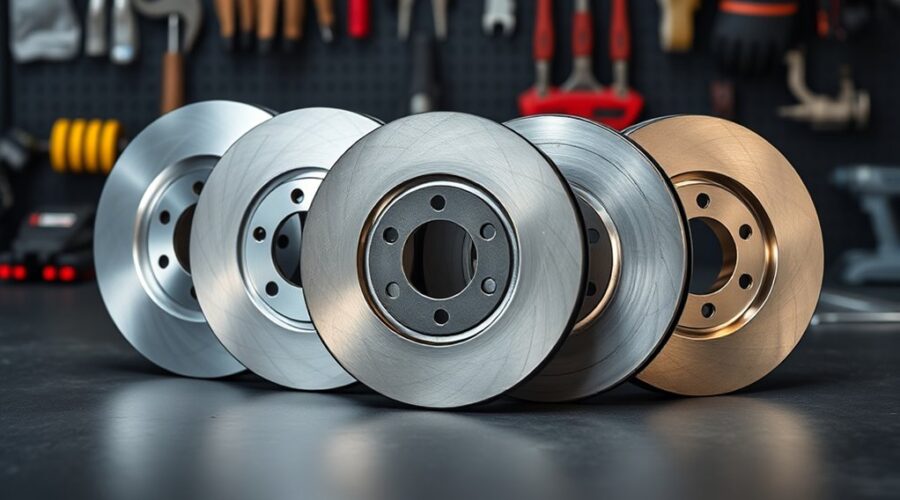
Choosing brake rotors on a budget in 2027 means balancing price, durability, and stopping power without sacrificing reliability. Options like Raybestos, ACDelco, EBC, BOSCH, and PowerStop each offer different strengths, from quiet daily driving to more demanding performance needs. The right pick depends on the vehicle and driving style, and a few details can make one rotor stand out more than the rest.
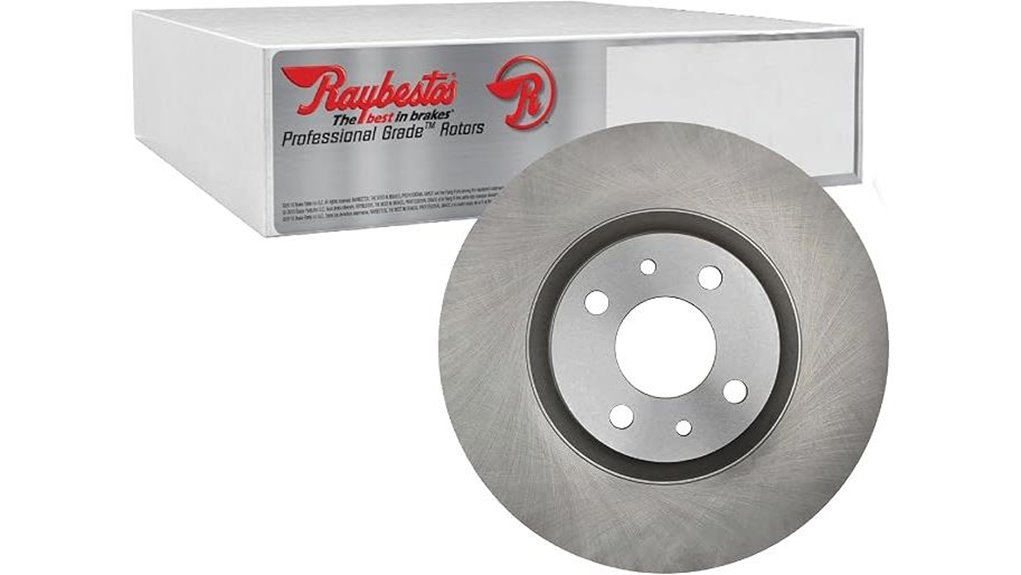
Raybestos Front Disc Brake Rotor (580279R)

The Raybestos Front Disc Brake Rotor (580279R) is a practical pick for drivers who want dependable replacement braking without overspending, especially those with compatible Chevrolet or GMC trucks and SUVs. Designed for select Silverado, Sierra, Tahoe, Yukon, and Suburban models, it targets common front-axle applications. Built from G3000-qualified material and developed from OE samples, it is meant to deliver steady everyday performance. Precision balancing and mill-balanced edges help reduce vibration, while SAE tensile-strength testing supports structural integrity. The result is quieter stopping, longer pad life, and serviceable durability for routine use.
Best For: Owners of compatible Chevrolet and GMC Silverado, Sierra, Tahoe, Yukon, and Suburban models who want a dependable, everyday front brake rotor replacement at a practical price.
Pros:
- Built from G3000-qualified material for reliable everyday braking performance
- Precision balanced with mill-balanced edges to help reduce vibration and noise
- SAE tensile-strength tested for added structural integrity and durability
Cons:
- Limited to specific Chevrolet and GMC front applications
- Best suited for routine driving, not high-performance use
- May not be the ideal choice if you need a complete braking system upgrade
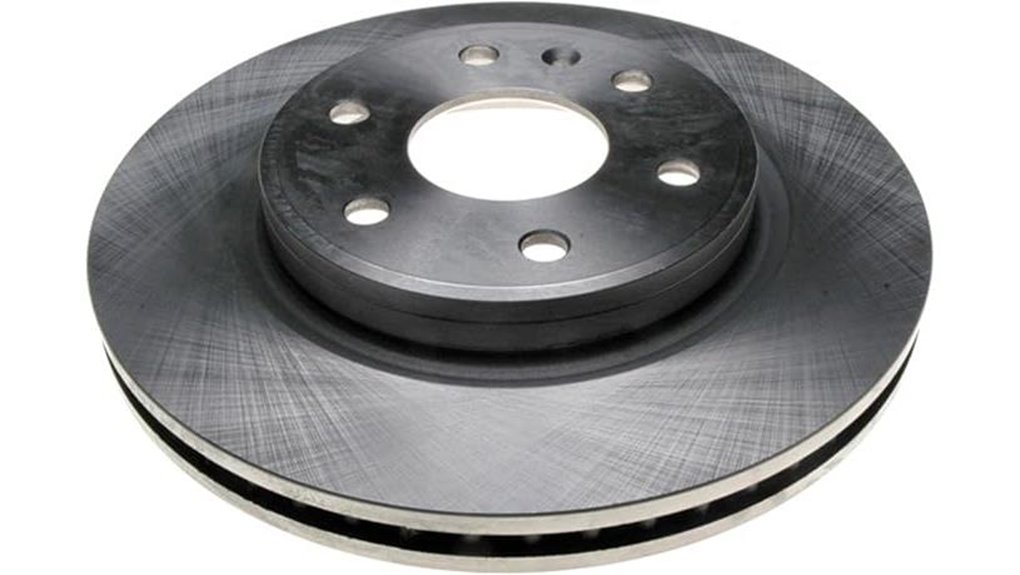
ACDelco Silver Front Brake Rotor 18A2497A

ACDelco Silver Front Brake Rotor 18A2497A suits drivers needing a budget-friendly, vehicle-specific replacement for select GM SUVs. It fits models such as the Buick Enclave, Chevy Traverse, GMC Acadia, and Saturn Outlook, with VIN verification recommended for exact compatibility. The non-coated rotor uses multi-alloy construction and application-specific vanes to improve cooling and limit brake fade. A non-directional ground finish and balanced design help reduce noise, vibration, and harshness. Rounded edges add strength under heat and load, while the smooth surface supports longer pad life and even wear. Pairing with ACDelco pads is sensible.
Best For: Budget-conscious GM SUV owners who need a vehicle-specific front brake rotor replacement for select models like the Buick Enclave, Chevy Traverse, GMC Acadia, or Saturn Outlook.
Pros:
- Multi-alloy construction and application-specific vanes help improve cooling and reduce brake fade.
- Non-directional ground finish and balanced design help minimize noise, vibration, and harshness.
- Smooth surface and rounded edges support longer pad life and added durability under heat and load.
Cons:
- Non-coated design may offer less corrosion resistance than coated rotors.
- Compatibility should be verified by VIN to ensure the exact fit.
- Best results may require pairing with matching front brake pads and possibly updating rear rotors too.
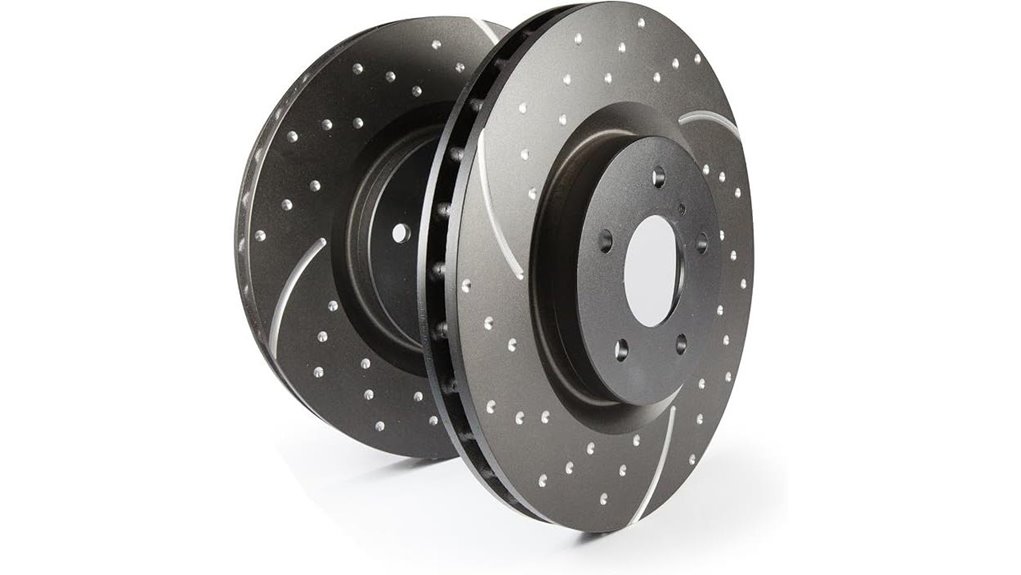
Automotive EBC Brakes GD7372 3GD Series Dimpled and Slotted Sport Rotor

EBC’s GD7372 sport rotor suits trucks, SUVs, and sport sedans needing stronger braking. The 3GD Series design pairs dimples with wide slots to clear dirt, dust, and debris from the braking zone, while helping the brakes run up to 200 degrees cooler. That airflow and surface cleansing can reduce fade during hard stops, towing, or repeated high-speed use. The rotor is sold as a universal-fit component for cars, SUVs, and trucks, and comes in gold and black or all black finishes. EBC backs it with a manufacturer warranty and Amazon’s 30-day return guarantee.
Best For: Drivers of trucks, SUVs, and sport sedans who want a universal-fit sport rotor with improved cooling, debris clearing, and reduced brake fade under demanding use.
Pros:
- Wide slots and dimples help keep the braking surface cleaner by removing dust, dirt, and debris.
- Can help brakes run up to 200 degrees cooler, which may improve performance during hard stops or towing.
- Backed by a manufacturer warranty and Amazon’s 30-day return guarantee.
Cons:
- Universal fit may require verifying compatibility before purchase.
- Sport-oriented design may be more than what everyday drivers need.
- Appearance options are limited to gold and black or all black finishes.
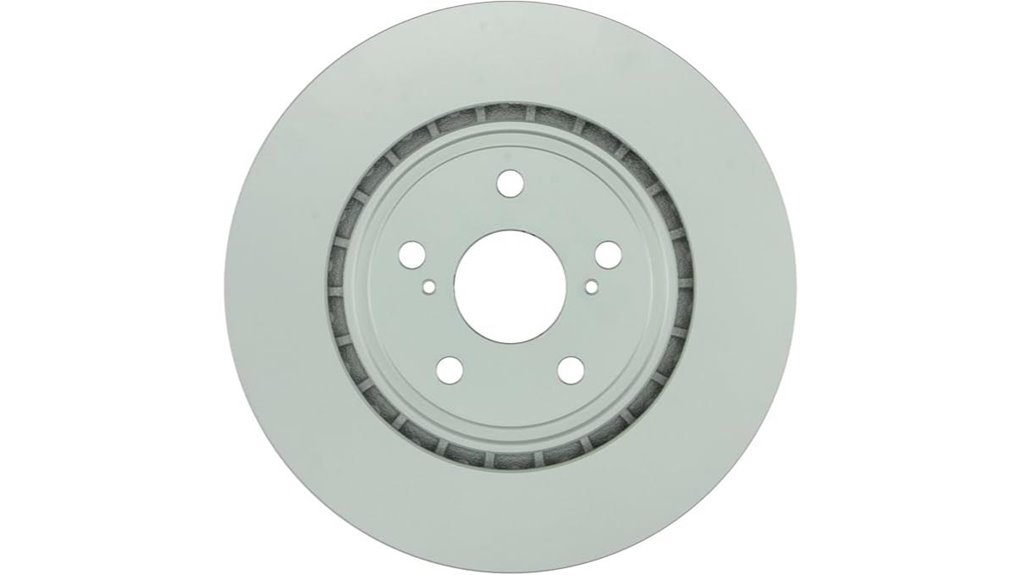
BOSCH 50011479 QuietCast Premium Disc Brake Rotor – Front, 328mm (Single)

Built for drivers wanting OEM-style braking without premium-shop pricing, Bosch’s QuietCast rotor stands out. This front 328mm unit fits select Lexus NX, RX, and Toyota Highlander and Sienna applications. Factory precision balancing helps prevent pedal pulsation, while the OEM-style vane design supports cooler, quieter operation and longer life. An integrated ABS tone ring keeps antiskid and traction systems functioning properly. The aluminum-zinc coating resists rust and corrosion, making it suitable for open-wheel appearance. Sold as a single cast-iron rotor, it includes instructions and carries Bosch’s material and workmanship warranty for eligible use.
Best For: Drivers of select Lexus NX/RX and Toyota Highlander/Sienna models who want an OEM-style front brake rotor with quiet operation, rust resistance, and factory-balanced performance.
Pros:
- Factory precision balancing helps reduce pedal pulsation and deliver smooth braking.
- OEM-style vane design and ABS tone ring support cooler, quieter operation and proper system function.
- Aluminum-zinc coating helps resist rust and corrosion for better durability and appearance.
Cons:
- Sold as a single rotor, so multiple units may need to be purchased for a full axle replacement.
- Fitment is limited to select vehicle applications, so compatibility must be verified carefully.
- Warranty exclusions mean it may not be covered for towing, racing, commercial use, or improper installation.
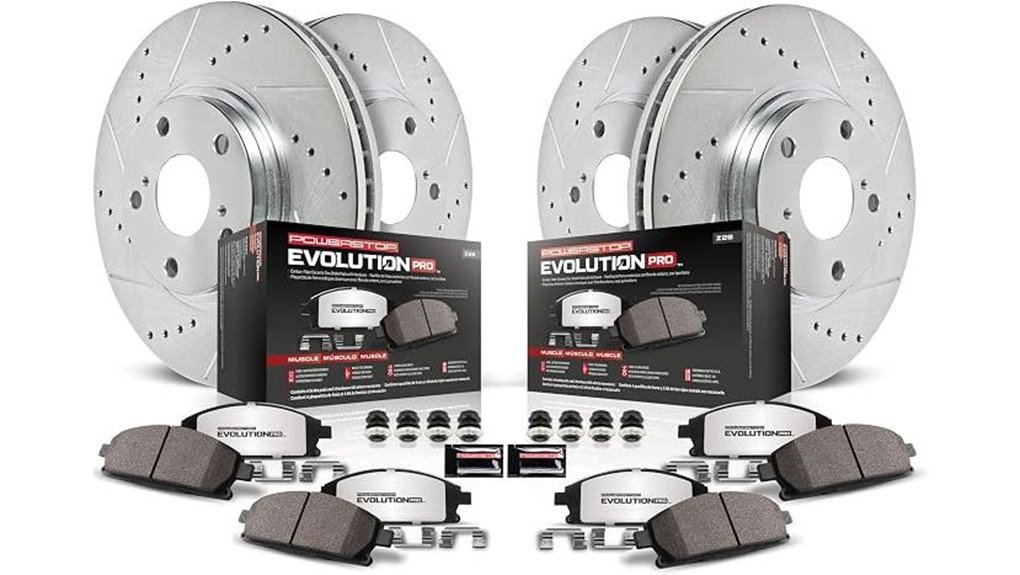
PowerStop Z26 Evolution Pro Muscle Brake Pad Rotor Kit Front Rear K2853-26

For muscle cars needing stronger braking, the PowerStop Z26 Evolution Pro kit stands out. The K2853-26 package includes front and rear Z26 carbon-fiber ceramic pads, drilled and slotted rotors, and installation hardware. It is built for high-horsepower and modified vehicles that demand shorter stops and steady control. The rotors use G3000 metallurgy, vent heat, and resist cracking, while Silver Zinc Dichromate plating helps guard against rust. The low-dust pads support daily use. Direct-fit compatibility suits select Chrysler 300, Dodge Charger, and Challenger models with 2-piston front calipers and 320 mm rear rotors.
Best For: Muscle car owners with high-horsepower or modified Chrysler 300, Dodge Charger, or Dodge Challenger models who want a direct-fit brake upgrade with stronger stopping power and low dust.
Pros:
- Front and rear kit includes Z26 carbon-fiber ceramic pads, drilled and slotted rotors, and installation hardware
- Designed for improved stopping performance and heat management under demanding conditions
- Low-dust, daily-drivable pad formula with rust-resistant rotor plating
Cons:
- Fitment is limited to specific vehicles and brake configurations
- Drilled and slotted rotors may not be necessary for drivers with normal braking needs
- Performance-focused design may cost more than standard replacement brake kits
Factors to Consider When Choosing Brake Rotors 2026: Strong Stopping on a Budget

Choosing brake rotors on a budget starts with material quality, since stronger construction can improve stopping consistency without raising costs too much. Heat dissipation and noise reduction also matter, because both affect daily performance and comfort under repeated braking. Fitment accuracy and durability help guarantee the rotors install correctly and last long enough to justify the purchase.
Material Quality
Material quality is one of the most important factors in a budget brake rotor, because the base material affects both durability and stopping consistency. Most rotors are cast iron, which balances strength and affordability, while higher-grade G3000-qualified material can offer better performance. A rotor made from better material is less likely to warp or crack under repeated stress, helping maintain steady braking over time. Multi-alloy constructions can further improve longevity and reduce brake fade during extended use. Surface finish also matters; non-directional grinding can lower noise and vibration for a smoother feel. Corrosion-resistant coatings, such as aluminum/zinc, help protect against rust and can extend service life in changing weather.
Heat Dissipation
Heat dissipation is a key factor in brake rotor selection because excess heat can trigger brake fade and reduce stopping power when it matters most. Rotors that manage temperature well help preserve consistent braking under repeated stops, heavy loads, or downhill use. Multi-alloy constructions with optimized vane layouts improve internal airflow and cooling efficiency, which helps limit overheating. Dimpled and slotted surfaces also promote faster heat escape than smooth designs by moving air across the rotor face. Quality rotors are typically built to tolerate higher temperatures without warping, supporting stable performance under stress. Better thermal control can also extend brake pad life by reducing uneven wear and keeping the system working efficiently over time.
Noise Reduction
Noise control is an important part of brake rotor selection, since a well-designed rotor can reduce vibration, pedal pulsation, and the harsh squeal that often signals an unhappy braking system. Non-directional ground finishes are often used to dampen chatter and soften contact between rotor and pad, helping braking feel more composed. Precision balancing also matters because even weight distribution limits pulsation and supports quieter operation. Durable materials and solid construction can resist wear-related noise and thermal distortion, while milled edges may lessen abrupt engagement sounds. Optimized cooling designs help the rotor stay stable under repeated stops. Maintenance remains important, and compatible brake pads can further reduce unwanted noise while preserving smooth, consistent braking performance on a budget.
Fitment Accuracy
After considering how rotor design can reduce unwanted noise, fitment accuracy becomes the next priority for budget-minded buyers. Rotors must match the vehicle’s exact specifications to preserve braking performance and safety. Compatibility with the specific make and model is essential because an incorrect fit can cause uneven pad contact, reduced stopping response, and strain on other brake components. VIN checks offer a practical way to verify the correct rotor before purchase, helping avoid mismatched parts. Rotor styles such as slotted or dimpled should also align with the vehicle’s braking system requirements, since design differences can affect fit. Manufacturer guidelines remain the most reliable reference for confirming seamless compatibility with existing hardware and ensuring proper installation.
Durability Life
Durability life depends on a few core factors, starting with the rotor’s material quality; G3000-qualified cast iron offers dependable performance for everyday driving. Beyond the base metal, dimpled or slotted designs can improve airflow, helping rotors shed heat faster and resist brake fade during repeated stops. Structural strength and precise balancing also matter, since vibration and uneven wear can shorten service life. Installation quality should not be overlooked; even slight misalignment can accelerate wear and reduce braking consistency. Regular inspection and maintenance help catch early damage before it spreads. In wet or salted climates, rust-resistant coatings add another layer of protection, preserving surface integrity longer. For budget buyers, the most durable rotor is often the one that combines solid materials, careful engineering, and corrosion defense.
Frequently Asked Questions
How Often Should Budget Brake Rotors Be Replaced?
Budget brake rotors are generally replaced every 30,000 to 70,000 miles, though wear can come sooner or later depending on driving habits, road conditions, and maintenance. A driver may notice replacement is needed when braking becomes noisy, vibration appears, or the rotor surface looks deeply grooved or warped. Regular inspections during brake pad changes help determine timing. In heavy traffic or mountainous use, replacement may be needed more frequently.
Can Budget Rotors Work With Upgraded Performance Brake Pads?
Yes, budget rotors can work with upgraded performance brake pads, but compatibility depends on the rotor’s quality, heat tolerance, and machining accuracy. A detached view would note that softer or poorly made rotors may wear faster, glaze, or warp under harder pads. For mild street use, the pairing can be acceptable. For aggressive driving, better rotors usually provide more consistent braking, durability, and safety overall.
Do Slotted Rotors Reduce Braking Noise on Daily Drivers?
No, slotted rotors usually do not reduce braking noise on daily drivers; they often make it slightly worse. The grooves can create a faint whirring or scraping sound, especially with certain pads. Their main advantage is improved gas and dust evacuation, not quiet operation. For most commuter vehicles, plain rotors with quality pads tend to stay quieter and smoother. Noise control depends more on pad material, bedding, and hardware condition.
Are Coated Rotors Worth the Extra Cost in Wet Climates?
Yes, coated rotors are often worth the extra cost in wet climates because the protective finish helps resist rust on hats, edges, and sometimes friction surfaces. That can improve appearance, reduce corrosion-related noise, and extend service life in areas with frequent rain or road salt. The benefit is strongest for daily drivers kept outdoors. If the vehicle is garaged or driven infrequently, the premium may be less compelling.
Will Budget Rotors Affect ABS Performance?
Budget rotors can affect ABS performance, but usually only indirectly. If rotor quality is poor, thickness variation, runout, or uneven surface friction can create vibration, inconsistent braking, or sensor-related issues that may make ABS feel less smooth. Properly made budget rotors from reputable brands generally perform adequately in normal driving. The greater risk is premature wear or warping, not ABS failure, especially when pads, installation, and maintenance are correct.
Conclusion
Ultimately, the best budget brake rotors in 2027 prove that drivers do not need to overspend for dependable stopping power. The Raybestos, ACDelco, EBC, BOSCH, and PowerStop options each offer a different balance of price, durability, and performance. One useful statistic: slotted and dimpled designs can help improve heat dissipation by up to 20% in demanding conditions. For everyday commuters and spirited drivers alike, the right rotor can deliver safer, steadier braking without stretching the budget.