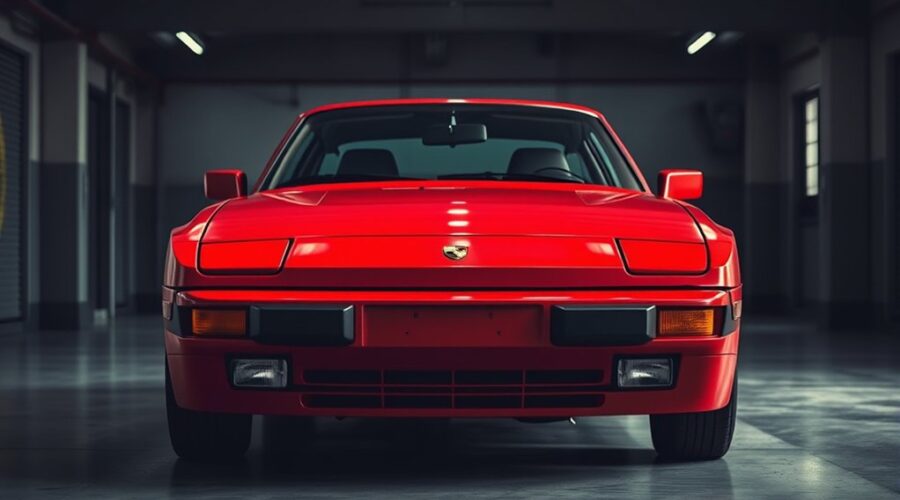
The automatic Porsche 944 arrived in 1982 as a rarer, comfort-focused version of Porsche’s front-engine sports car. It used a 3-speed automatic paired with a 2.5-liter engine, trading some performance for ease of use and smoother urban driving. Its modest 0-60 mph time and limited production have made it a curiosity among collectors, but its real appeal becomes clearer when its mechanical setup and ownership realities are examined.
Key Takeaways
- The automatic Porsche 944 debuted in 1982 with a 3-speed hydraulic transmission and torque converter for smoother, easier driving.
- It used a 2.5-liter engine and delivered about 0-60 mph in roughly 9 seconds, prioritizing comfort over sharp performance.
- Compared with the manual, the automatic was slower but more convenient, appealing to drivers wanting relaxed everyday usability.
- Maintenance is important: check transmission fluid, monitor for slipping, and replace the timing belt every four years or 40,000 miles.
- Running costs are moderate, with roughly 20-30 mpg, £250-£400 annual maintenance, and strong enthusiast support for parts and advice.
What Is the Porsche 944 Automatic?
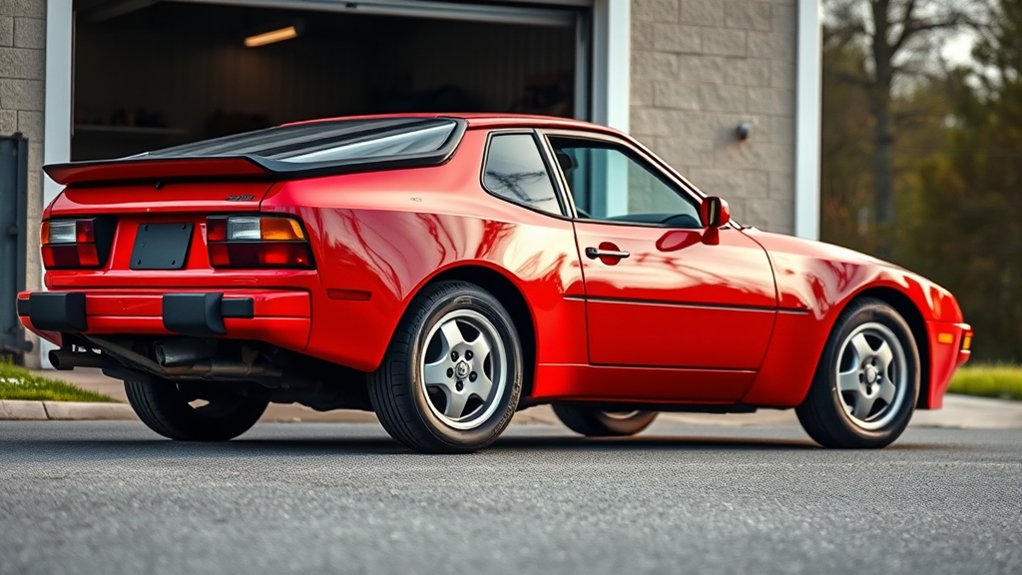
The Porsche 944 automatic was a 3-speed automatic transmission option offered alongside the standard 5-speed manual, giving drivers a more relaxed alternative to the car’s traditional setup. In the Porsche 944 lineup, this automatic transmission appeared in early examples and provided a different driving experience for those who preferred ease over constant gear selection. Its design supported efficient power delivery from the 2.5-liter engine, preserving balanced road manners without demanding direct manual control. Compared with the 5-speed manual, which earned praise for sporty handling, the 3-speed automatic emphasized convenience in daily use and smoother urban travel. Produced mainly in the mid-1980s, these cars occupy a niche choice status today. Collectors and enthusiasts often value them for rarity, not volume, and for the distinct character they bring to the model’s history.
How the 3-Speed 944 Automatic Works
Powered by a torque converter, the Porsche 944’s 3-speed automatic delivered its drive through a conventional hydraulic transmission layout rather than the direct mechanical feel of the 5-speed manual. In the Porsche 944, the 3-speed automatic transmission used fluid coupling to smooth takeoff, manage shifts, and reduce driver effort. The torque converter helped the car move away cleanly from rest and softened gear changes, which shaped a calmer driving experience. Added mass and wider gearing affected performance figures, with 0-60 mph runs typically around 9 seconds. Offered mainly in model year examples from 1982 to 1988, it served buyers seeking practicality without abandoning the brand’s sportiness. In urban settings, the automatic made stop-start traffic less demanding, supporting relaxed daily driving. The layout provided accessible motion and usable response, while the manual gearbox remained the purist choice for those who wanted greater control.
Porsche 944 Automatic Vs Manual
Compared with the 5-speed manual, the Porsche 944’s 3-speed automatic prioritized ease of use and smoother driving over outright responsiveness. In the Porsche 944 range, the automatic transmission used a torque converter to deliver relaxed shifts, while the manual transmission gave a more direct link to the engine and road. That difference shaped the driving experience: the automatic felt less urgent, but more effortless in traffic and cruising. It also added weight, which slightly altered handling dynamics and reduced performance relative to the lighter manual models. Factory-rated acceleration times reflected this gap, with automatic versions reaching 60 mph in about 9 seconds, versus roughly 8 seconds for the manual. For enthusiasts, the manual remained the favored choice because it offered greater involvement, sharper response, and a clearer sense of control. The automatic appealed instead to drivers seeking freedom from constant shifting without abandoning the Porsche 944 character.
Porsche 944 Automatic Specs and Performance
Available as an option alongside the standard 5-speed manual, the Porsche 944’s 3-speed automatic paired the 2.5-liter inline-four with a torque-converter transmission aimed at smoother, more relaxed driving. In this specification, the automatic transmission delivered about 143 hp from the inline-four engine, down from the 163 hp of manual gearbox cars. The lower power output, combined with a curb weight near 1,330 kg, produced a modestly reduced performance envelope. Factory figures place acceleration time for the 0-60 mph run at roughly 9 seconds, reflecting the automatic’s emphasis on ease rather than urgency. Even so, the driving experience remained composed, with clean shifts and predictable responses suited to daily use. This version of the Porsche 944 found particular favor in the U.S. market, where buyers often valued the balance of performance and usability. Its specification illustrates a practical, accessible interpretation of the model’s rear transaxle character.
What to Check on a 944 Automatic
A 944 Automatic should be evaluated first for transmission health, including smooth shifting, abnormal noises, fluid level, and any signs of overheating such as burnt odor or discoloration. Brake system condition also matters, since proper braking supports correct downshifting behavior in the 3-speed automatic. Service history should be reviewed to confirm regular fluid changes and maintenance, as neglected records often point to hidden wear.
Transmission Health
The 944’s automatic transmission is a 3-speed unit, so its behavior should be evaluated carefully rather than assumed to match the more familiar 5-speed manual. In a Porsche 944, the automatic transmission should deliver smooth engagement and clean shifts without hesitation, flare, or harshness, because irregular action can reduce driving performance and signal internal issues. Transmission fluid deserves close inspection: it should appear clear red and smell normal, not dark, burnt, or contaminated. Any unusual noises, such as grinding or clunking, warrant immediate concern. Regular maintenance matters because neglected units in older cars can wear prematurely and fail. A complete service history helps confirm that the transmission received proper attention, limiting the risk of sudden breakdowns and costly repair costs for a driver seeking mechanical freedom.
Service History
Service history for an automatic Porsche 944 should be reviewed carefully, with particular attention to regular transmission fluid changes, ideally every 30,000 miles, since neglected fluid can compromise shift quality and transmission life. The Porsche service history should also confirm timing belt replacement every four years or about 40,000 miles, as overdue maintenance can cause severe engine damage. Records of K Jetronic repairs deserve scrutiny because fuel-injection faults may create hard-to-diagnose performance issues. Annual engine oil changes indicate disciplined maintenance and help limit internal corrosion. Suspension and transmission component records should show attention to bearings and bushings, since wear can increase repairs and undermine road feel. A complete file suggests transparent ownership and supports informed, independent evaluation before purchase.
Porsche 944 Automatic Reliability and Common Issues
With its 3-speed automatic, the Porsche 944 offered a more relaxed alternative to the standard 5-speed manual, but long-term reliability depends heavily on maintenance. In service, the automatic transmission is generally durable, yet common reliability issues include slipping and delayed engagement when fluid changes are neglected. Regular inspection helps identify wear before it becomes failure. Early cars can also show electronic control issues, reflecting the simplicity of their control systems rather than advanced self-diagnosis. Owners should monitor for transmission overheating, especially if fluid levels are low or the unit has been worked hard. Fresh fluid every 30,000 miles is a practical benchmark that supports smooth operation and improves longevity. When cared for correctly, the system preserves the 944’s easygoing character without sacrificing precision. When ignored, however, the gearbox can become hesitant, less responsive, and expensive to restore.
Running Costs of a Porsche 944 Automatic
Running costs for a Porsche 944 Automatic are shaped by fuel consumption, routine servicing, and the expense of age-related repairs. The 3-speed automatic can return roughly 25–30 mpg, while transmission maintenance typically costs £250 to £400 per year and timing-belt replacement adds further scheduled expense. Insurance, taxation, and potential rust-related bodywork can also affect overall ownership costs, particularly on older examples.
Fuel And Maintenance Costs
Fuel and maintenance costs for the Porsche 944 Automatic are generally moderate by classic car standards, but they vary with condition and use. Typical fuel economy is about 20-25 mpg, allowing relatively efficient touring for a performance coupe. Annual maintenance costs usually fall between £250 and £400, covering routine maintenance such as oil changes and inspections. Timing belts need replacement every four years or 40,000 miles, with parts around £200 + VAT. The automatic transmission can raise service costs slightly because of added complexity. Rust deserves attention, since corrosion and neglected bodywork repairs may push expenses above £2,000 + VAT if delayed. Overall, disciplined upkeep preserves freedom from avoidable bills and supports dependable ownership.
Common Repair Expenses
Common repair expenses for the Porsche 944 Automatic are usually manageable, but they can rise quickly when neglected items are left unattended. Typical annual service costs fall between £250 and £400, depending on maintenance required and how frequently the car is used. Timing belts need replacement every four years, with replacement costs of about £200 plus VAT for parts, a preventive expense that protects the engine. Common issues often involve diagnostics for electrical systems and fuel injection, especially K Jetronic components, which may demand specialist attention. Rust is another serious risk; bodywork repairs can exceed £2,000 plus VAT. Regular driving helps limit internal corrosion from condensation, keeping the car mechanically freer and reducing avoidable expenses over time.
Insurance And Taxation
Insurance and taxation are important parts of the Porsche 944 Automatic’s running costs. Insurance premiums typically fall between £350 and £800 a year for standard coverage, though age, driving experience, and location can alter pricing. Automatic transmission models may attract slightly higher insurance than manuals, reflecting perceived ease of driving and accident data. Road tax depends on model year: cars built before 1983 may qualify as a historic vehicle and avoid UK tax, while later examples are charged according to CO2 emissions. Combined with maintenance, annual running costs often total £600 to £1,200. Fuel economy of 25 to 30 mpg also shapes affordability. For owners seeking informed, independent motoring, these figures provide a clear basis for budgeting.
Why the 944 Automatic Still Appeals
The Porsche 944 automatic continues to attract buyers because it combines approachable performance with everyday usability. Introduced in 1982, the Porsche 944 paired a 3-speed automatic transmission with balanced chassis tuning, preserving driving dynamics while reducing effort.
| Factor | Effect | Appeal |
|---|---|---|
| Acceleration | Under 9 seconds to 97 km/h | Usable performance |
| Comfort | Smoother urban driving | Daily practicality |
| Parts availability | Strong support network | Easier ownership |
For enthusiasts, the automatic offers a classic Porsche entry point without demanding constant manual engagement. Post-1988 cars, at about 1,330 kg, retain near-even weight distribution, which helps the performance feel composed rather than dull. That balance supports confident acceleration in real use. At the same time, comfort remains a defining trait, especially in traffic. With parts availability and an active community, the 944 automatic stays relevant to drivers seeking freedom from compromise while still valuing precision, character, and accessible ownership.
Related Reading
Frequently Asked Questions
Which Year of the Porsche 944 Is Considered the Best?
1989 is generally considered the best Porsche 944 year, especially the S2, for Porsche 944 performance, Porsche 944 design, Porsche 944 reliability, Porsche 944 ownership, Porsche 944 resale, Porsche 944 community, Porsche 944 restoration, Porsche 944 maintenance, Porsche 944 racing, and Porsche 944 modifications.
What Are the Technical Data for the Porsche 944?
0-60 mph in under 9 seconds: Porsche performance stems from a 2.5L inline-four, 3-speed automatic or 5-speed manual, near 50/50 weight distribution, refined suspension design, modest fuel economy, basic interior features, limited safety ratings, 1982–1991 production years, maintenance tips.
Which Porsche 944 Engine Is Best?
The 944 S2 is generally best, combining engine performance, fuel efficiency, reliability issues management, and historical significance. Turbo advantages suit speed seekers, while maintenance tips, upgrade options, aftermarket parts, engine swaps, and tuning potential vary.
What Are Common 944 Problems?
Common 944 problems include oil leaks, fuel leaks, body rust, electrical issues, suspension wear, transmission problems, brake failures, clutch malfunction, interior wear, and engine overheating; meticulous inspection and timely service reduce costly failures.
Conclusion
To sum up, the automatic Porsche 944 stands as a distinctive 1980s sports coupe, combining a 2.5-liter engine with a 3-speed transmission for relaxed, accessible driving. Its modest acceleration, solid engineering, and relative rarity give it lasting collector interest. Proper inspection and maintenance remain essential, especially for aging drivetrain and electrical components. For buyers seeking a usable classic, it offers a balanced mix of comfort, character, and mechanical simplicity, like a well-kept cassette in a modern player.