The best engine air filter is the one made for your exact vehicle, so the right choice depends on what you drive: the FRAM Extra Guard CA10755 and the EPAuto GP013 are disposable direct-fit replacements for specific Toyota, Lexus, Honda and Acura models, the K&N 33-2438 is a reusable filter for certain Toyota and Lexus SUVs, and the ACDelco A3144C is an OE-spec filter for GM vehicles.
Disclosure: As an Amazon Associate we earn from qualifying purchases. If you buy through links on this page we may earn a commission at no extra cost to you.
This guide is based on manufacturer specs and listing information, not hands-on testing. Always check the fit tool on the listing against your year, model and engine before ordering, and follow your owner’s manual for service intervals.
Quick Comparison
| Filter | Type | Fitment (per listing) |
|---|---|---|
| FRAM Extra Guard CA10755 | Disposable | Selected Dodge, Jeep, Lexus and Toyota models |
| EPAuto GP013 (CA10013) | Disposable | Selected Honda and Acura models |
| K&N 33-2438 | Washable, reusable | Selected Toyota and Lexus SUVs |
| ACDelco A3144C (13272719) | Disposable, OE-spec | Selected GM vehicles |
FRAM Extra Guard CA10755
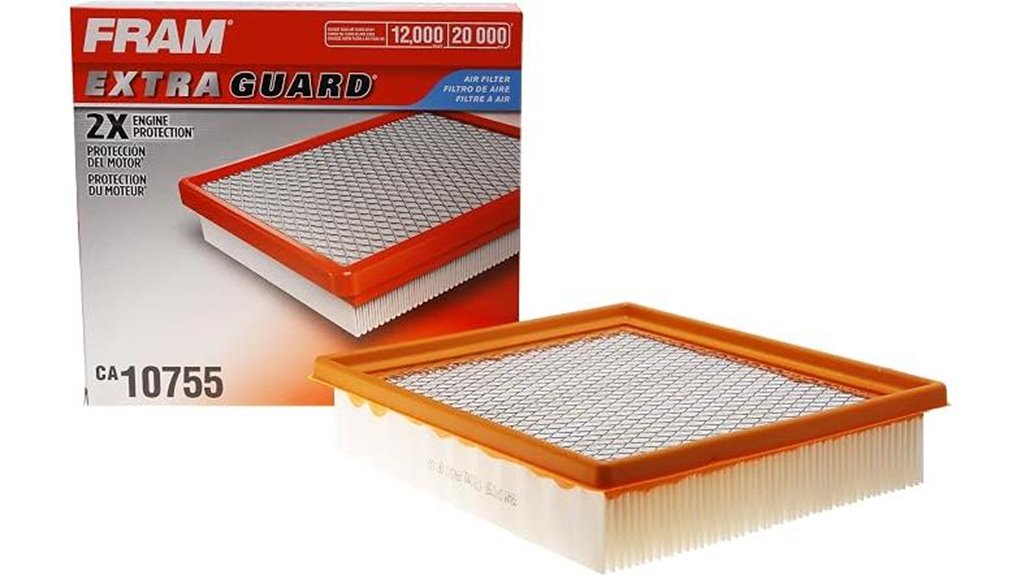
A disposable panel filter sold for a range of Dodge, Jeep, Lexus and Toyota applications. The listing gives example fits; confirm your exact year and engine. FRAM quotes a service interval of up to 12 months or 12,000 miles (about 19,000 km), but your owner’s manual takes priority.
Best for: Owners of listed models who want an affordable, direct-fit replacement.
Pros
- Easy swap on most vehicles
- Direct-fit for listed applications
- Inexpensive
Limitations
- Fits only specific vehicles
- Not a performance upgrade
- Disposable
EPAuto GP013 (CA10013) for Honda and Acura
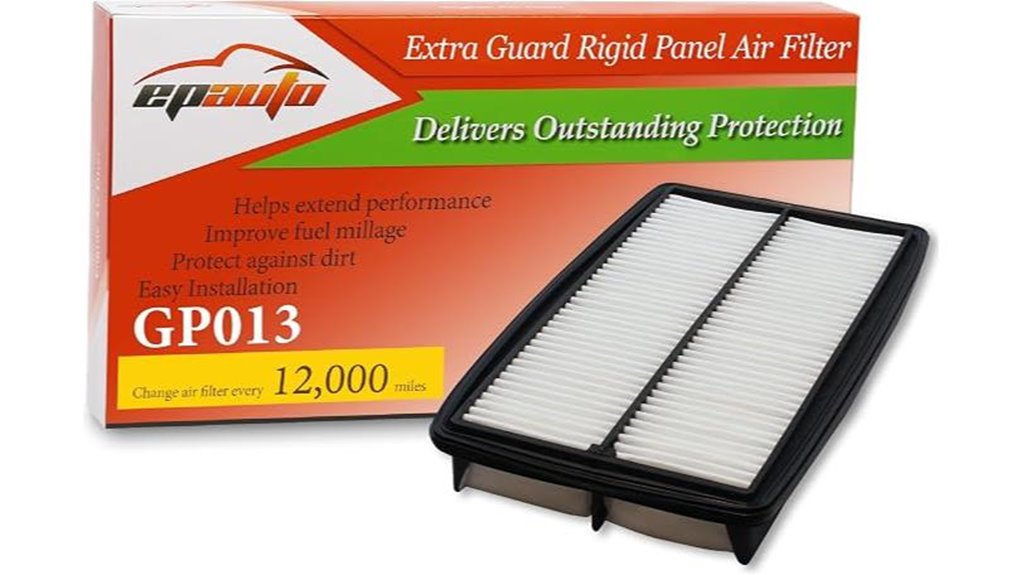
A direct-fit replacement for selected Honda and Acura vehicles, listed for MDX, Odyssey and Pilot model years. EPAuto cross-references FRAM CA10013 and some Honda part numbers. Claims of improved fuel mileage are generic; a clean filter mainly protects the engine and restores flow.
Best for: Owners of listed Honda and Acura models.
Pros
- Direct-fit for listed models
- Cross-referenced to common part numbers
- Pairs with a matching cabin filter
Limitations
- Fits only listed model years
- Fuel-economy benefit is small
- Disposable
K&N High-Flow Lifetime Filter (33-2438)
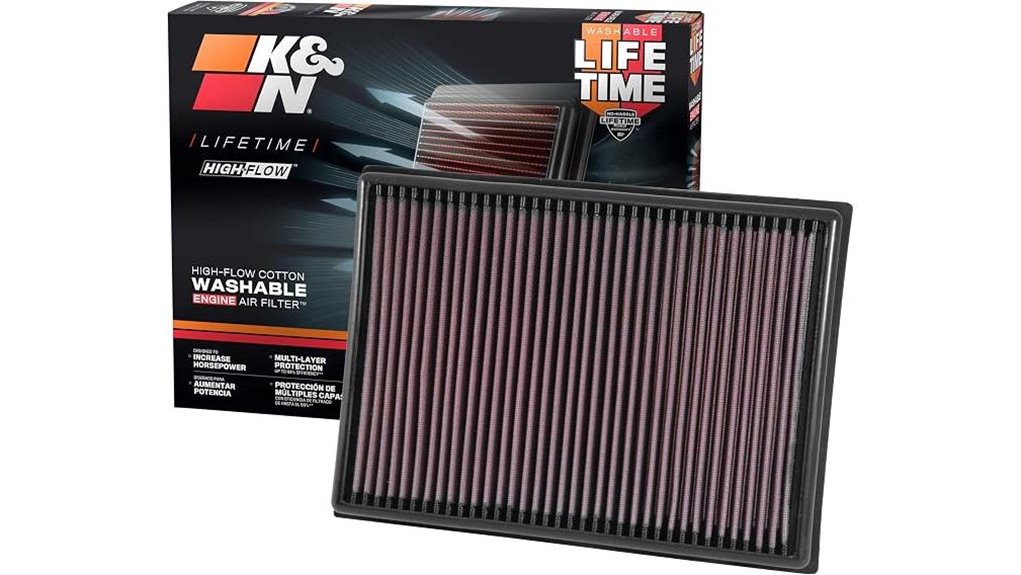
K&N sells a washable, reusable oiled-cotton filter with a limited lifetime warranty. This part is listed for selected Toyota and Lexus SUVs (4Runner, GX460, FJ Cruiser and Land Cruiser Prado applications). K&N advertises more airflow and extended cleaning intervals, but on a stock engine the power gain is typically small, and over-oiling can contaminate the mass airflow sensor. Follow K&N’s cleaning instructions carefully.
Best for: Owners who want a reusable filter and are willing to clean and re-oil it.
Pros
- Reusable
- Limited lifetime warranty, per K&N
- Higher airflow than a basic paper filter, per K&N
Limitations
- Needs cleaning and oiling
- Performance gains are often modest
- Improper oiling can affect sensors
ACDelco GM Original Equipment A3144C (13272719)
ACDelco supplies this as a GM-spec replacement for selected Chevrolet, Buick, GMC and Cadillac vehicles. It is aimed at owners who want an OE-style part with a tight seal rather than extra airflow. Check the part number against your owner’s manual or a GM parts catalogue.
Best for: GM owners who want a factory-spec filter.
Pros
- OE-style fit
- Designed to GM standards, per ACDelco
- Tight seal to reduce bypass
Limitations
- Fits GM applications only
- OE parts can cost more
- Standard performance, not high-flow
How to Choose an Engine Air Filter
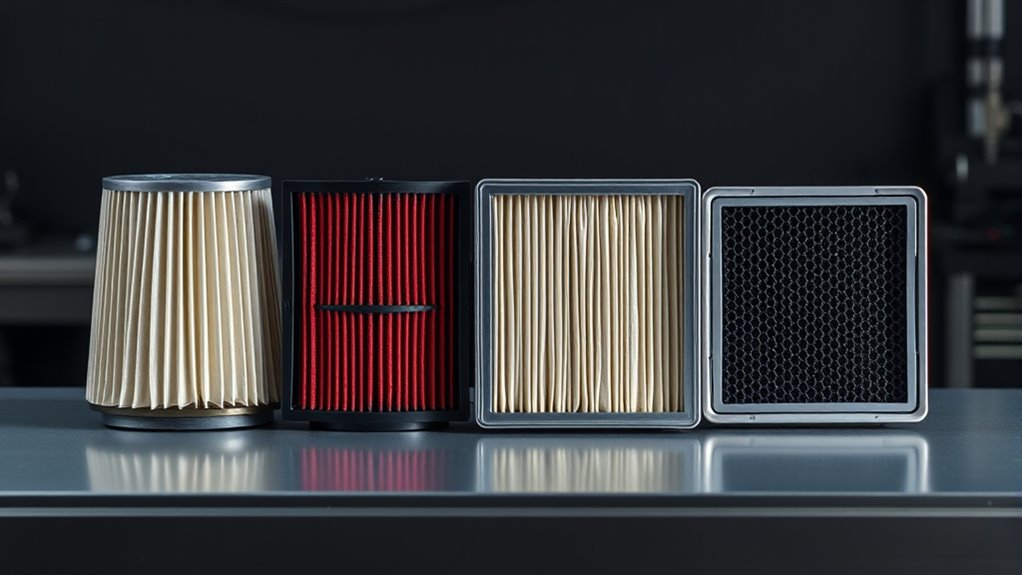
- Fit first: match the part number to your year, model and engine; a wrong filter can leave gaps that let dust past.
- Disposable vs. reusable: paper is simple and consistent; reusable filters save money long term but need care.
- Interval: many makers suggest roughly 20,000 to 30,000 km, but dusty gravel roads and heavy stop-and-go driving mean earlier checks.
- Seal and frame: a good gasket keeps unfiltered air out.
How to check and replace the filter
- Open the airbox clips or screws.
- Lift out the filter and hold it to a light; replace it if it is dark, oily or full of debris.
- Wipe out the airbox, then seat the new filter flat.
- Close the airbox firmly.
Pair this with a fresh cabin air filter and an oil filter at service time. If the engine still runs rough, see our guides to spark plugs and fuel injector cleaners.
Frequently Asked Questions
How often should engine air filters be replaced?
Follow your owner’s manual. Many vehicles call for replacement every 20,000 to 30,000 km, but dusty roads, towing and heavy traffic may need earlier changes.
Can a dirty air filter reduce fuel economy?
On modern fuel-injected engines the effect is usually small, but a badly clogged filter can reduce power and acceleration. Replace it at the recommended interval.
Are reusable filters better than disposable ones?
Not always. Reusable filters can save money but need correct cleaning and oiling. Disposable filters are simpler and consistent.
How do I know a filter fits my vehicle?
Match the part number to your year, make, model and engine, using the listing fit tool or your dealer. Compare the old filter’s shape and size.
Do engine air filters affect performance?
A clean, correctly fitted filter keeps airflow normal. A dirty one can limit power, while gains from high-flow filters on stock engines are usually small.