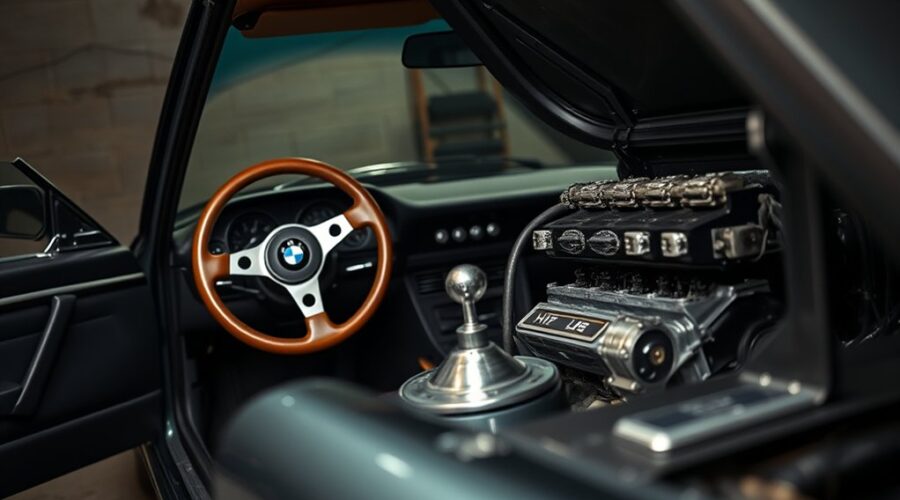
The history of manual transmissions in BMW vehicles reflects a deep-rooted passion for driving. From the early models like the BMW 315 to the celebrated E30 M3, these cars embody the essence of performance and engagement. Advanced gearbox technologies from renowned manufacturers have played a pivotal role in their success. Despite the shift towards automatics, a distinct demand for manuals persists among enthusiasts. What drives this enduring appreciation for manual BMWs?
Key Takeaways
- BMW’s legacy includes iconic manual models like the M3 E30 and M5 E39, emphasizing performance and driving engagement since the 1930s.
- Manual transmissions offer a direct driver-vehicle connection, with 6-speed gearboxes enhancing acceleration and responsiveness.
- The M division continues to support manual options, catering to driving enthusiasts despite a market shift towards automatics.
- Regular maintenance, including fluid changes and clutch monitoring, is essential for optimal manual transmission performance.
- Manual BMWs symbolize a commitment to driving tradition and authenticity, appealing to purists amid increasing automation trends.
The Origins of BMW Manual Transmissions
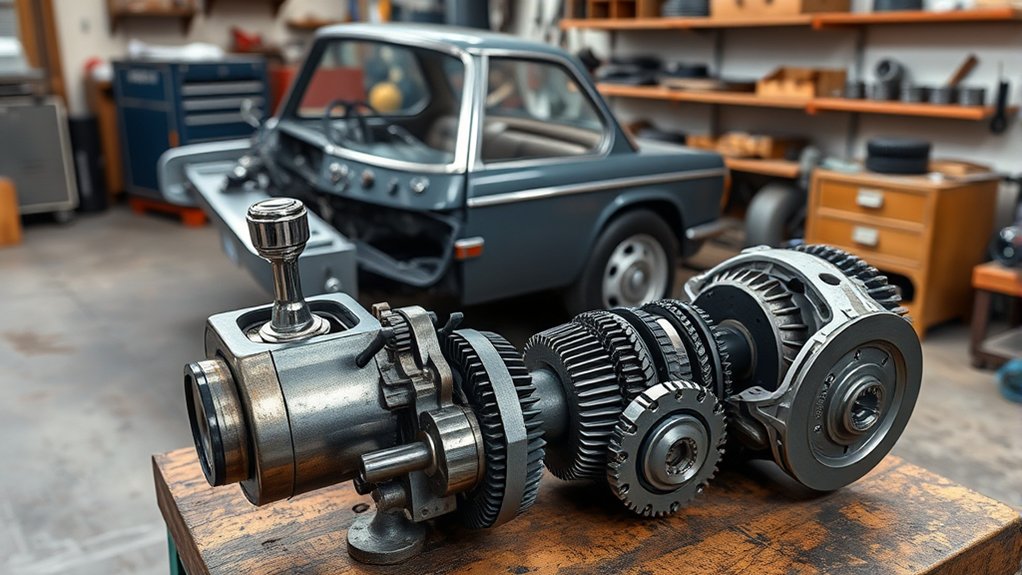
The origins of BMW manual transmissions can be traced back to the early 20th century, when the brand first emerged as a purveyor of quality vehicles. Their commitment to driving pleasure was exemplified by the introduction of the iconic BMW 315 in 1934, which featured a manual transmission designed to enhance driver control and engagement. This foundation paved the way for the M division in the 1970s and 1980s, where models like the M3 E30 popularized manual gearboxes, providing an exhilarating driving experience synonymous with the brand. The evolution continued into the 1990s with the introduction of the 6-speed manual transmission in models like the M5 E39, delivering a dynamic and responsive ride. As of the 2020s, BMW continues to offer manual transmissions in select models, appealing to enthusiasts who prioritize a direct connection to the driving experience over automatic alternatives.
Iconic Manual BMW Models Through the Years
Throughout its history, BMW has produced several iconic models that exemplify the brand’s commitment to manual transmission performance. Vehicles like the BMW 2002 and E30 M3 not only set benchmarks for driving enthusiasts but also defined the sport sedan category with their engaging handling and powerful engines. As these models evolved, they maintained a focus on providing a performance-oriented driving experience that continues to resonate with fans today.
Classic Manual BMW Models
Classic manual BMW models have etched their legacy in automotive history, reflecting a commitment to driving pleasure and engineering excellence. The BMW 315 from the E21 series prioritized pure driving experiences with its carburetted 4-cylinder engine and minimal electronics. The M3 E30, launched in 1986, became a symbol of motorsport DNA, offering a thrilling manual transmission and an iconic design. Meanwhile, the M5 E28 pioneered the super saloon category, boasting just under 280bhp and a manual option. The Z3 M Coupe, with its 3.2-litre engine, delivered exhilarating performance, achieving 0-62 mph in just over five seconds. The M3 E46, revered for its engaging manual driving experience, continued this lineage, featuring a robust 338bhp engine, further solidifying BMW’s legacy in manual performance.
Performance-Oriented Driving Experience
BMW has established a reputation for delivering performance-oriented driving experiences, particularly through its manual transmission models that have captivated enthusiasts for decades. Iconic M models have consistently showcased power and performance, offering an engaging experience that embodies the brand’s spirit.
- M3 E30 (1982-1994): Celebrated for its pure driving dynamics, it produced up to 235 bhp, making it a favorite among purists.
- M5 E28 (1984): As the first high-performance sedan with a manual gearbox, it delivered nearly 280 bhp, setting a benchmark for future sports sedans.
- M2 Competition (2018): Continuing the legacy, this model features a 405 bhp engine, reaffirming BMW’s commitment to thrilling manual driving experiences.
Technical Specifications of Manual BMW Gearboxes
Manual BMW gearboxes are characterized by their diverse configurations, with the 6-speed setup being particularly favored for its ability to enhance driver engagement and precision. Brands like Getrag and ZF contribute to the performance and reliability of these transmissions, known for their smooth shifting and robust design. The technical specifications of these gearboxes not only facilitate quicker gear changes but also create a direct connection between the driver and the vehicle, underscoring their appeal among enthusiasts despite the increasing rarity of manual options.
Gearbox Configurations Explained
Engaging with the intricacies of gearbox configurations reveals the hallmark of precision engineering in vehicles equipped with manual transmissions. BMW’s manual gearboxes, especially in M models like the M3 and M4, typically feature a 6-speed configuration that enhances driver engagement and offers precise gear selection. This setup is particularly appealing to driving enthusiasts who value a dynamic driving experience.
Key aspects of BMW manual gearboxes include:
- Short-throw shifter design: Facilitates quicker shifts by reducing the distance between gear changes.
- Lightweight construction: Contributes to vehicle agility, improving overall handling characteristics.
- Mechanical feel: Models such as the E46 M3 are celebrated for their responsiveness and engaging driving experience.
This combination underscores BMW’s commitment to performance and driver satisfaction.
Performance Benefits Overview
The performance benefits of manual BMW gearboxes are evident in their engineering precision and design philosophy. These transmissions provide a direct connection between driver and vehicle, enhancing the experience for driving enthusiasts. Most BMW manuals feature a 6-speed layout, optimized for both acceleration and fuel efficiency, particularly in M models like the M3 and M4.
| Feature | Benefit | Impact on Performance |
|---|---|---|
| 6-speed layout | Improved gear ratios | Enhanced acceleration |
| Lightweight materials | Reduced weight | Better overall vehicle dynamics |
| Short-throw shifter | Faster gear shifts | Increased responsiveness |
This strategic design fosters an exhilarating driving experience, allowing for quicker gear changes and greater control on winding roads or race tracks.
Essential Features of BMW Manual Transmissions
BMW manual transmissions stand out for their exceptional precision and driver engagement, embodying the brand’s dedication to “sheer driving pleasure.” Known for their 6-speed configurations, these transmissions strike an ideal balance between performance and fuel efficiency, catering to a diverse range of driving styles.
Key features include:
- Short-Throw Shifter: This design enables quicker gear changes, enhancing the dynamic driving experience.
- M-specific Integrated Brake System: This system allows for customizable braking performance, giving drivers enhanced control during spirited driving.
- Tactile Feedback: Manual transmissions provide a direct connection to the vehicle, allowing enthusiasts to fully engage with the driving experience.
These elements collectively reinforce BMW’s commitment to performance-oriented engineering, making manual transmissions not just a choice, but a thrilling expression of freedom behind the wheel.
How Does Manual Driving Compare to Automatic?
Manual driving offers a distinct experience compared to automatic transmissions, emphasizing a deeper connection between the driver and the vehicle. Manual transmissions provide enhanced driver engagement, allowing for precise control over gear selection and engine performance. This direct interaction not only enriches the driving experience but also facilitates faster acceleration, as drivers can choose ideal gears tailored to their conditions. Moreover, studies indicate that manual vehicles often achieve better fuel efficiency, avoiding the torque converter losses prevalent in many automatics.
For performance enthusiasts, manuals shine on the track, enabling quicker gear changes and more immediate power delivery. Additionally, they typically feature lower maintenance costs and increased reliability due to fewer complex components. This combination of factors positions manual driving as a liberating choice for those seeking a more immersive and performance-oriented experience, aligning perfectly with the desires of driving aficionados.
Enthusiast Demand: Why Manual BMWs Still Matter
Key reasons why manual BMWs still matter include:
- Enhanced Driver Connection: Manual transmissions foster a direct relationship between driver and vehicle, making each gear shift a deliberate act.
- Performance Heritage: The M division’s legacy includes models like the M3 and M4, which honor tradition by offering manual choices amidst a sea of automatic alternatives.
- Preservation of Driving Joy: In a world leaning towards automation, BMW’s dedication to manuals underscores a commitment to the joy of driving.
Such attributes guarantee that manual BMWs remain a cherished choice for purists.
What’s Next for Manual Transmissions at BMW?
How will the future of manual transmissions at BMW evolve in an increasingly automated automotive landscape? While market trends lean toward automatics, BMW M GmbH continues to champion manual transmissions, particularly in their latest M models, such as the M3 and M4. These vehicles offer a 6-speed manual option, ensuring enthusiasts can savor the driving experience that only a manual can provide.
| Aspect | Future Outlook |
|---|---|
| Manual Offerings | Potential decline but focused in M models |
| Technological Integration | Adaptive shifting systems for enhanced engagement |
Despite a shift in consumer preferences, BMW’s commitment to performance suggests that manual options will persist, especially for those who prioritize authenticity and engagement. Future developments may enhance manual transmissions with advanced technology, ensuring the liberation of the driving experience remains intact.
Tips for Maintaining Your Manual BMW
Maintaining a manual BMW requires attention to several critical factors that can greatly impact performance and longevity. Owners must prioritize care for their vehicle’s components to uphold the esteemed BMW name.
- Transmission Fluid: Regularly check and change the transmission fluid every 30,000 to 60,000 miles. Using the correct type and weight, as specified in the owner’s manual, is essential to prevent wear on transmission components.
- Clutch Pedal Monitoring: Observe the clutch pedal for unusual stiffness or resistance, which may signal wear or hydraulic issues that demand immediate attention.
- Driving Techniques: Employ proper driving techniques, such as double-clutching during downshifts and avoiding resting your foot on the clutch pedal, to enhance the lifespan of the transmission system.
Related Reading
Frequently Asked Questions
What Are Some Interesting Facts About Bmw’s History?
BMW’s origins trace back to 1916, evolving from aircraft engines to iconic models. Its racing heritage, exemplified by the M series, showcases engineering innovations, solidifying BMW’s reputation as a leader in performance and luxury.
What Car Is the Poor Man’s BMW?
The Volkswagen Golf GTI is often dubbed the “Poor Man’s BMW” due to its affordable alternatives, impressive performance comparisons, and strong brand loyalty, offering an engaging driving experience that rivals BMW’s more expensive models.
Why Is BMW Discontinuing Manual Transmissions?
BMW is discontinuing manual transmissions due to shifting consumer preferences and market trends favoring automatic options. While manuals offer driving experience advantages, advancements in technology and efficiency have led buyers to prioritize performance and convenience in modern vehicles.
Why Did the FBI Switch to BMW?
The FBI switched to BMW due to the vehicle’s performance advantages, aligning with law enforcement preferences for reliability and safety. This choice reflects broader manual transmission trends, emphasizing efficiency and modern technology in operational contexts.
Conclusion
In the ever-evolving landscape of automotive technology, manual BMWs remain a steadfast beacon for driving purists. Like a well-tuned symphony, each gear shift harmonizes power and precision, echoing the brand’s storied legacy. As the roar of engines and the thrill of engagement fade in a sea of automatics, BMW’s commitment to manuals embodies a passionate ode to driving authenticity. The future may be uncertain, but the allure of the manual BMW endures, enchanting enthusiasts with every turn of the wheel.