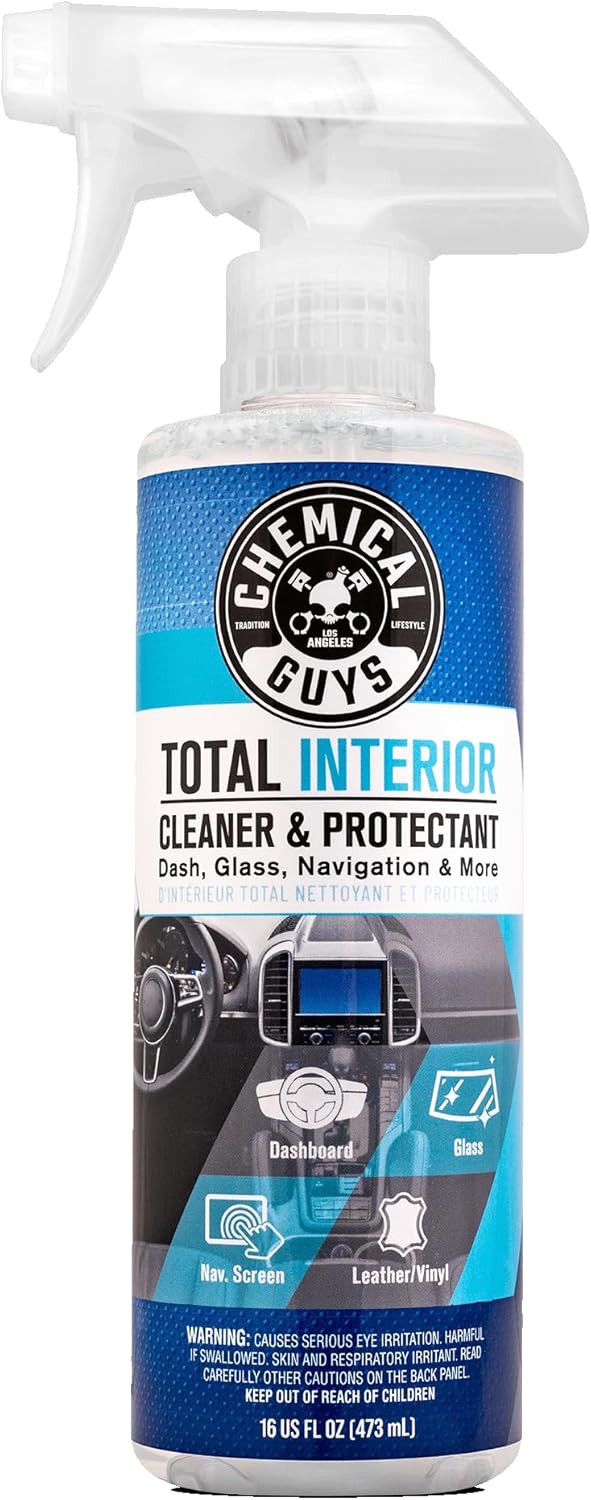
The best engine degreaser is one that cuts baked-on oil and grease but is safe on the plastics, rubber and paint in an engine bay. For most people that means a purpose-made citrus or water-based spray such as Chemical Guys Signature Series Orange Degreaser or Gunk Engine Brite, with Simple Green as a concentrate for the garage floor and tools.
Disclosure: As an Amazon Associate we earn from qualifying purchases. If you buy through links on this page we may earn a commission at no extra cost to you.
This guide is based on manufacturer and retailer listings, not hands-on testing. Always read the label for dilution and surface warnings.
Quick answer
- Best purpose-built can: Gunk EB1 Engine Brite (15 oz) for engine bays.
- Best for detailers: Chemical Guys Signature Series Orange Degreaser, 1 gallon or 16 oz.
- Best all-purpose ready-to-use spray: Aero Cosmetics Wash ALL.
- Best concentrate for shop use: Simple Green Industrial Cleaner and Degreaser.
Engine degreaser comparison
| Product | Format | Best for | Link |
|---|---|---|---|
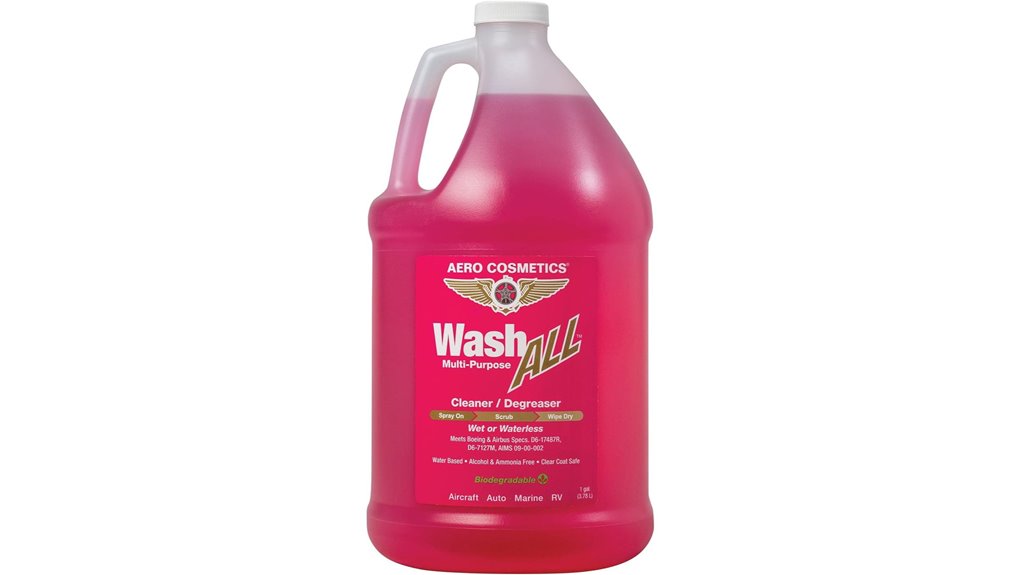 Aero Cosmetics Wash ALL |
Ready-to-use spray | Engine bay, wheel wells, general grime | See it on Amazon |
 Chemical Guys Orange Degreaser, 1 gal |
Concentrate, dilutable | Engines, undercarriage, shop | See it on Amazon |
 Chemical Guys Orange Degreaser, 16 oz |
Spray bottle | Single engine-bay clean | See it on Amazon |
 Gunk EB1 Engine Brite |
15 oz can | Baked-on engine oil | See it on Amazon |
 Simple Green Industrial |
Concentrate, 2-pack of 1 gal bottles | Tools, floors, heavy grime | See it on Amazon |
Aero Cosmetics Wash ALL Heavy-Duty Degreaser
Fits / best for: Drivers and RV owners who want one spray for the engine bay, wheel wells and general road grime.
Per the maker it is a pH-balanced spray-on cleaner that lifts baked-on residue and wipes off with a damp towel, and is safe on many surfaces such as aluminum, paint, glass and plastic. It says to avoid suede, rough-out leather and Alcantara. Check the label for the full surface list.
Pros: Ready to use, multi-surface.
Limitations: Heavy buildup may need a second pass.
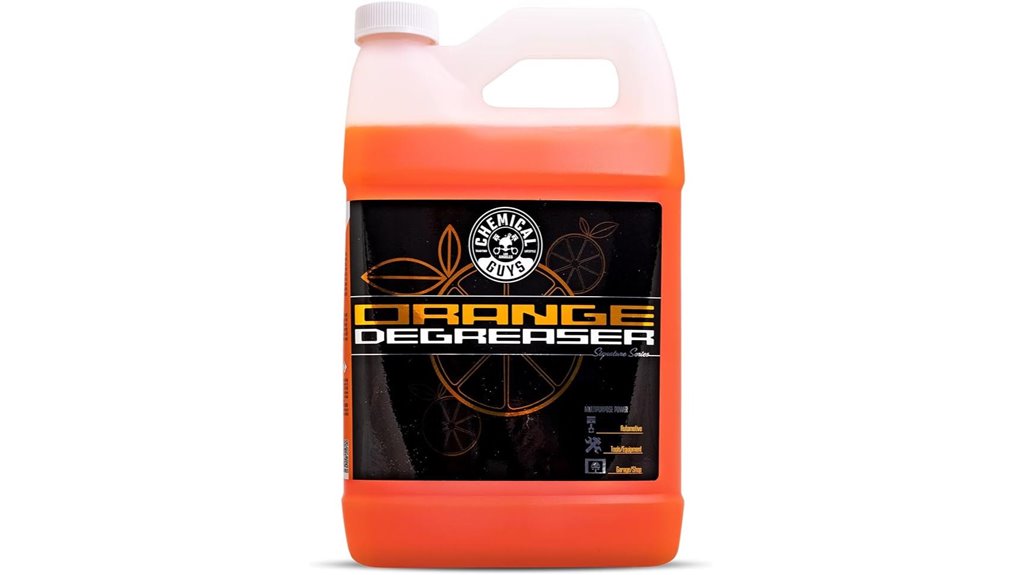
Chemical Guys Signature Series Orange Degreaser, 1 gallon
Fits / best for: Detailers and enthusiasts who clean engines, tires, undercarriages and tools regularly.
This citrus-based degreaser is sold as a concentrate that can be diluted for light jobs or used full strength on heavy buildup. A gallon goes a long way across several cleans.
Pros: Dilutable, good value per clean.
Limitations: Needs a separate spray bottle; orange cleaners can leave a film if not rinsed.
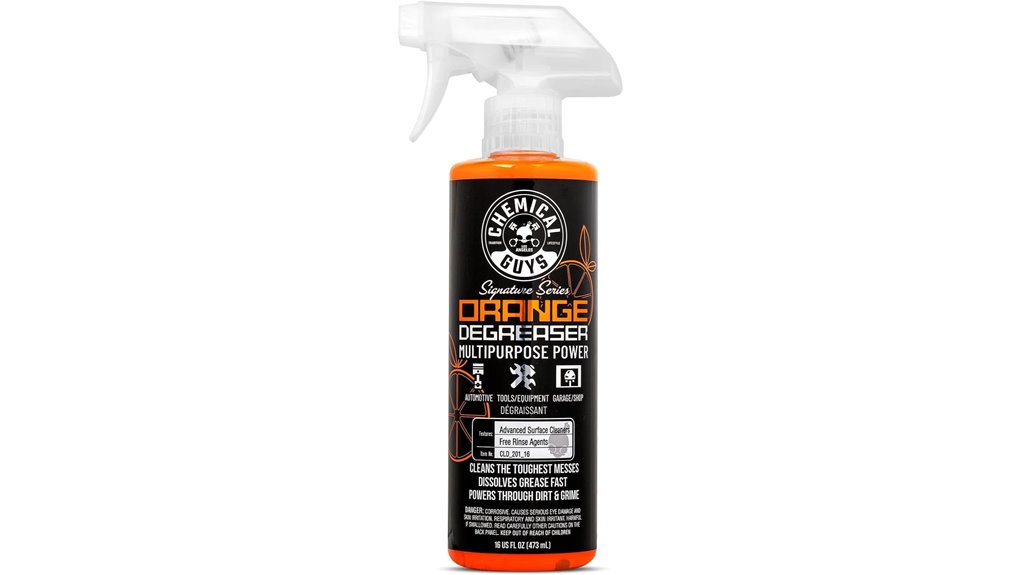
Chemical Guys Signature Series Orange Degreaser, 16 oz
Fits / best for: One-off engine-bay cleaning where a gallon is too much.
The same citrus-based formula in a compact spray bottle, meant to break down grease, oil and road dirt on engine components and wheels.
Pros: Convenient size, ready to spray.
Limitations: Costs more per ounce than the gallon.
Gunk EB1 Engine Brite
Fits / best for: Owners who want a purpose-built engine-bay degreaser in one can.
Gunk Engine Brite is a long-running heavy-duty engine degreaser sold in a 15 oz can for baked-on oil and grease. The Amazon rating the original listing showed is based on few reviews, so it is not a reliable measure.
Pros: Purpose-built for engines, easy to store.
Limitations: Small volume; less economical for frequent cleaning.
Simple Green Industrial Cleaner and Degreaser
Fits / best for: Garage floors, tools and shop surfaces; dilute per the label.
A concentrated degreaser that Simple Green says is recognized by the U.S. EPA Safer Choice program. The listing is a 2-pack of gallon-size bottles, so it suits heavy users and shops.
Pros: Concentrate, very economical.
Limitations: Not specific to engine bays; dilute carefully and test plastics and paint first.
How to choose the best engine degreaser
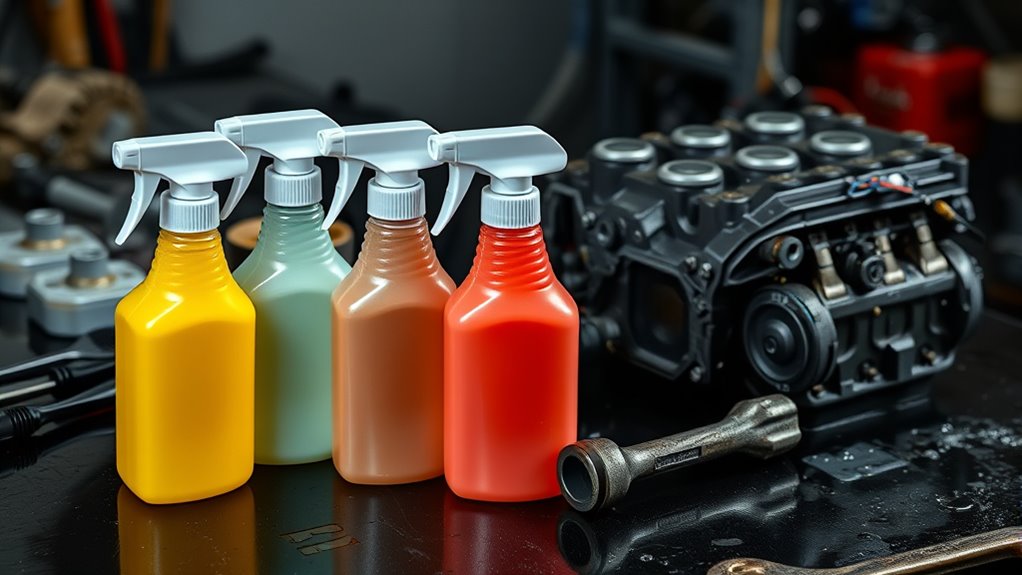
- Formula: citrus or water-based cleaners are gentler on rubber and plastic than solvent-heavy ones.
- Spray or concentrate: ready-to-use cans are quick; concentrates cost less per wash.
- Surface safety: test a small area on plastic trim and painted parts.
- Rinse requirements: some products need a low-pressure rinse; others wipe off.
How to degrease an engine bay safely
- Let the engine cool completely, then disconnect the battery if you plan to rinse.
- Cover the alternator, air intake, fuse box and exposed electrical connectors with plastic bags.
- Spray the degreaser, let it dwell for the time on the label, and agitate stubborn spots with a soft brush.
- Rinse gently with low pressure; see our pressure washers for cars guide.
- Dry with compressed air or a towel and start the engine to evaporate leftover moisture.
Safety: wear gloves and eye protection, work with ventilation, and do not let runoff reach storm drains; follow local disposal rules. For brake areas see our brake cleaner guide and brake dust cleaner guide.
Frequently asked questions
Can engine degreasers damage painted surfaces?
Some can dull paint or stain it if left to dry. Rinse promptly and test a hidden spot first.
How often should I degrease my engine bay?
Once or twice a year is typical. Clean sooner after an oil leak or a muddy or salty season.
Do degreasers work on hot engines?
No. Spray only on a cool engine. Hot surfaces can flash-dry the cleaner and may be unsafe.
Are engine degreasers safe for plastic parts?
Many are, but strong solvents can dry or discolor plastic and rubber. Read the label and test a small area.
What safety gear do I need?
Wear gloves and eye protection, work in a ventilated space, and keep the product off electrical connectors.