Choosing the best synthetic oil for engine life in 2027 means looking beyond brand names and focusing on protection, cleanliness, and drain intervals. Mobil 1 Advanced Full Synthetic, Pennzoil Platinum, Motul 300V, and other leading options each serve different engines and driving styles. Some are built for daily durability, while others suit high-performance or aging engines. The real question is which one offers the best balance for long-term wear control.
Mobil 1 Advanced Full Synthetic Motor Oil 10W-30, 5 Quart
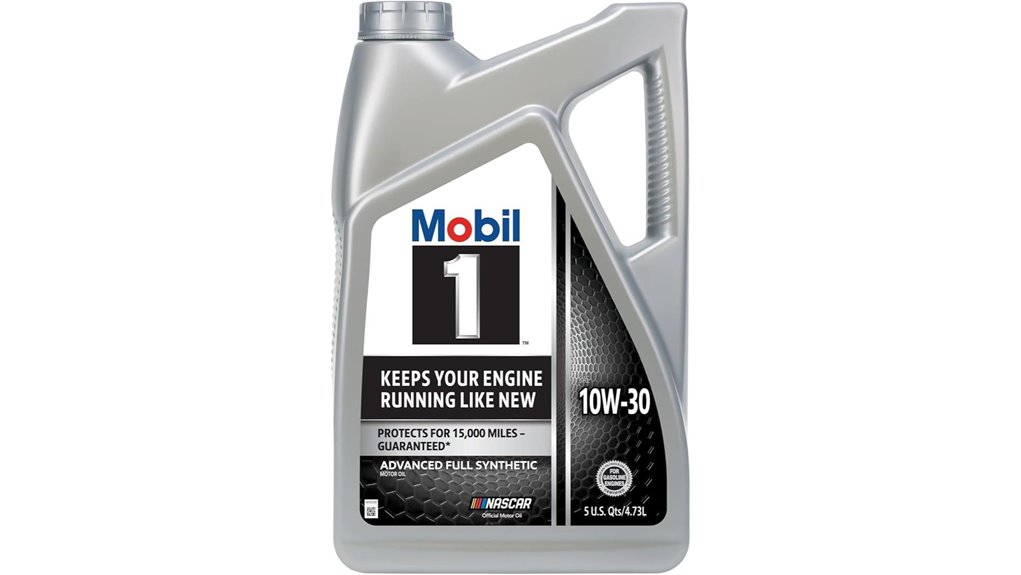
Mobil 1 Advanced Full Synthetic Motor Oil 10W-30 is a strong choice for drivers who want long-lasting engine protection in a widely trusted formula. This 5-quart full synthetic oil uses a triple action approach to support performance, cleanliness, and wear control. It is engineered to help extend engine life, even under severe conditions, and can protect for up to 15,000 miles or one year. Its SAE 10W-30 viscosity suits many vehicles, while low-temperature performance aids cold starts. It also meets ILSAC GF-7 standards and helps resist oxidation, sludge, deposits, pre-ignition, and timing chain wear.
Best For: Drivers looking for a trusted full synthetic 10W-30 motor oil that offers long-lasting engine protection, strong cleanliness, and reliable performance in everyday and severe driving conditions.
Pros:
- Protects for up to 15,000 miles or 1 year, whichever comes first
- Helps reduce friction, sludge, and deposits with a triple action formula
- Meets ILSAC GF-7 standards and supports cold-start performance
Cons:
- Only available in 10W-30 viscosity, so it may not suit every vehicle
- Premium synthetic oil can cost more than conventional options
- 5-quart size may be too much or too little depending on the vehicle’s oil capacity
Pennzoil Platinum Full Synthetic 5W-30 Motor Oil (1-Quart, Single)

Pennzoil Platinum Full Synthetic 5W-30 is ideal for drivers prioritizing long engine life and strong wear protection. This full synthetic oil comes in a 1-quart bottle and is designed to deliver complete engine protection, with support for up to 15 years or 500,000 miles when used as directed. It keeps pistons up to 45% cleaner than tough industry standards and offers unsurpassed wear protection. The formula also aids power retention, flows quickly in cold temperatures, and performs well in heat. It meets API SP-RC and ILSAC GF-6A requirements, including modern turbocharged engines.
Best For: Drivers who want a full synthetic 5W-30 oil for strong wear protection, cleaner engine performance, and long-term engine life in modern vehicles, including turbocharged engines.
Pros:
- Helps protect engines for up to 15 years or 500,000 miles when used as directed
- Keeps pistons up to 45% cleaner than tough industry standards
- Offers excellent wear protection and good performance in both cold and hot temperatures
Cons:
- Only sold in a 1-quart bottle, so larger oil changes require multiple bottles
- Best results depend on following the specified maintenance recommendations and product requirements
- May be more than needed for drivers with older engines or basic oil-change needs
Pennzoil Ultra Platinum Full Synthetic 5W-30 Motor Oil, 1 Quart

For drivers seeking long-term engine protection, this 5W-30 full synthetic stands out. Pennzoil Ultra Platinum Full Synthetic 5W-30 Motor Oil is designed for cars and supplied in a 1-quart bottle. Its advanced formula promotes cleanliness and surpasses wear protection standards in Sequence IVA testing. It also performs well in extreme temperatures and supports better fuel economy under current industry standards. The oil meets API SP-Resource Conserving, ILSAC GF-6A, ACEA A1/B1, and ACEA A5/B5, plus several OEM specifications. A 20-year, 750,000-mile warranty underscores its protection claims when requirements are met.
Best For: Drivers looking for a high-quality full synthetic 5W-30 motor oil that emphasizes long-term engine protection, cleanliness, and strong performance in a wide range of temperatures.
Pros:
- Advanced full synthetic formula promotes engine cleanliness and strong protection.
- Meets or exceeds major industry standards and several OEM specifications.
- Backed by a 20-year, 750,000-mile warranty when requirements are met.
Cons:
- Warranty eligibility requires specific conditions, including lower mileage and recent vehicle age.
- Oil change protection guarantee depends on using a premium oil filter and regular top-offs.
- As a premium synthetic oil, it may cost more than conventional alternatives.
Motul 104242 300V 5w40 Racing Oil, 2 Liter
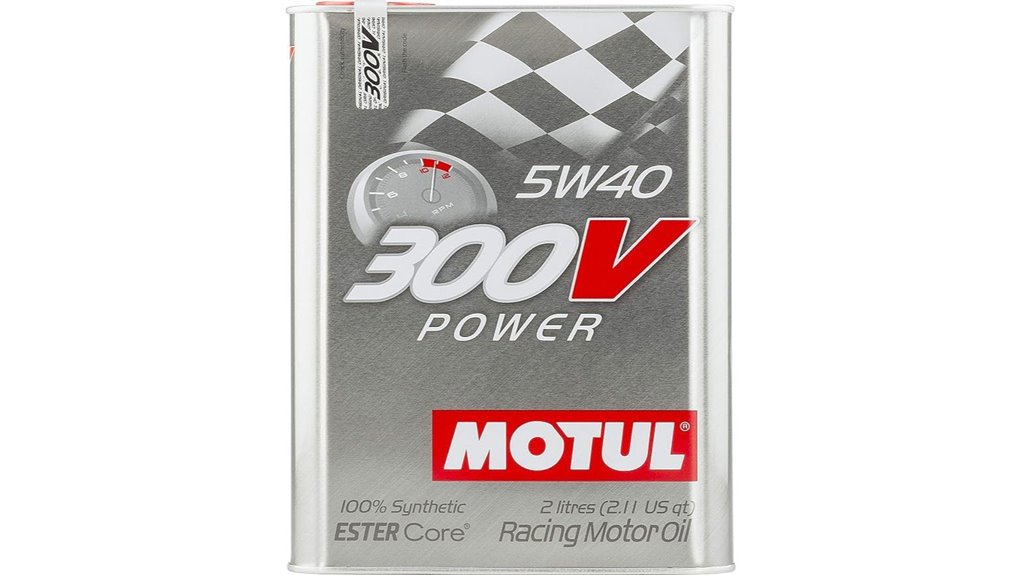
Motul 104242 300V 5W-40 Racing Oil suits drivers seeking race-grade synthetic protection. This 100% synthetic, ester-based formula is designed to deliver strong lubrication, improved power response, and resistance to wear under demanding conditions. Its 5W-40 viscosity supports broad temperature performance, while the oil’s high-temperature stability helps limit pressure loss and oxidation. Packaged in a 2-liter can, it fits cars, trucks, motorcycles, and ATVs. Motul positions it as a universal-fit racing lubricant backed by manufacturer support and standard return terms through Amazon.
Best For: Drivers who want a race-grade, 100% synthetic 5W-40 oil for high-performance protection in cars, motorcycles, trucks, or ATVs.
Pros:
- Ester-based 300V formula is designed for strong lubrication and improved power response.
- Offers high protection against wear, oxidation, and oil pressure drop under demanding temperatures.
- Universal fit and 2-liter packaging make it versatile for a range of vehicles.
Cons:
- Premium racing oil may be more expensive than standard motor oils.
- 2-liter can may not be enough for full oil changes on larger engines.
- Best suited for performance-focused use, so it may be unnecessary for everyday commuting.
Edge High Mileage 5W-30 Full Synthetic Motor Oil

Castrol Edge High Mileage 5W-30 suits vehicles with over 75,000 miles. This advanced full synthetic motor oil is formulated to reduce leaks, oil burnoff, and power-robbing deposits while supporting maximum performance in older engines. Its Phosphorus Replacement Technology helps protect emissions systems and catalytic converters. The 5W-30 viscosity meets API SP, SN PLUS, SN, SM, and ILSAC GF-6 standards, along with Chrysler and Ford requirements. Sold in 1-quart bottles, it carries a recommended change interval of 15,000 miles or one year, whichever comes first, making it a practical high-mileage option.
Best For: Drivers of high-mileage vehicles with over 75,000 miles who want a full synthetic 5W-30 oil designed to help reduce leaks, oil burnoff, and deposits while supporting engine and emissions-system protection.
Pros:
- Formulated specifically for high-mileage engines
- Helps reduce leaks, oil consumption, and deposit buildup
- Meets a wide range of modern API and manufacturer standards
Cons:
- May be more expensive than conventional motor oil
- Only one quart, so multiple bottles may be needed for a full oil change
- Best suited for 5W-30 applications, so it won’t fit all vehicles
Schaeffer Supreme 9000 Full Synthetic Engine Oil 5W-40
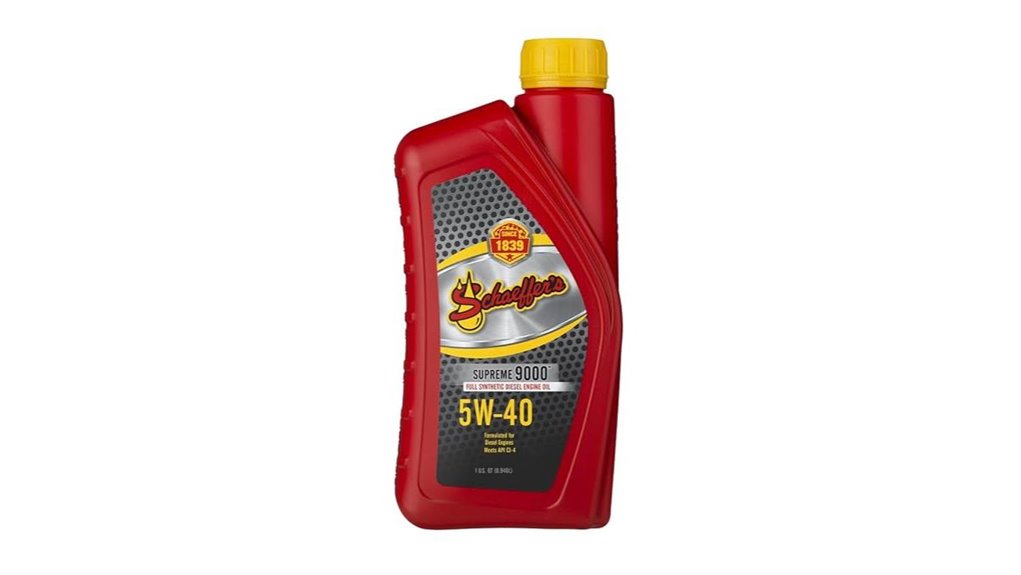
Schaeffer Supreme 9000 5W-40 is a strong pick for drivers needing reliable cold-start protection. This full synthetic 5W-40 oil quickly reaches engine parts in colder temperatures, while resisting thinning under heat. Its Micron Moly and Penetro friction modifiers help reduce wear, scuffing, and overall friction. The formula also supports cleaner operation by limiting sludge, soot, and carbon buildup. In turn, it can help improve durability and maintain fuel economy. Sold in 1-quart containers, it should be used according to the vehicle manufacturer’s oil change intervals and application guidance.
Best For: Drivers who want a full synthetic 5W-40 oil with strong cold-start protection, high-temperature stability, and added wear reduction for cleaner, more durable engine performance.
Pros:
- Provides reliable cold-weather startup protection and quickly lubricates engine parts in lower temperatures.
- Resists thinning at high temperatures while helping reduce friction, wear, and scuffing with Micron Moly and Penetro.
- Helps keep engines cleaner by minimizing sludge, soot, and carbon buildup while supporting fuel economy.
Cons:
- Must be used according to the vehicle manufacturer’s recommended oil change intervals and application guidance.
- 5W-40 may not be the ideal viscosity for every vehicle or climate.
- Sold in 1-quart containers, so larger oil changes may require multiple purchases.
LIQUI MOLY MoS2 SAE 10W-40 Engine Oil
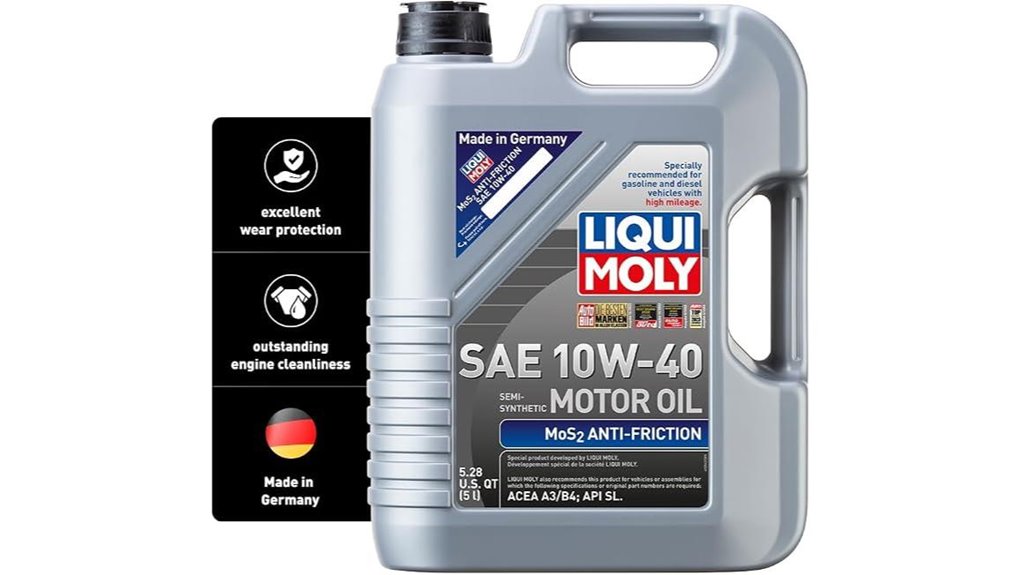
LIQUI MOLY MoS2 Antifriction SAE 10W-40 suits older petrol and diesel engines needing extra wear protection. This part-synthetic oil uses a medium-to-high viscosity 10W-40 grade for year-round service, making it practical for engines built before 2000. It is compatible with many Audi, Volkswagen, BMW, MINI, Chrysler, Sprinter, Ford, GM, Honda, Mazda, Nissan, Saab, Subaru, Toyota, Lexus, and Volvo applications. Packaged in a 5-liter bottle, it is manufactured by Liqui Moly and carries the 2043 model number. Customer feedback commonly notes reliable performance and solid wear control.
Best For: Owners of older petrol or diesel vehicles, especially pre-2000 models, who want a part-synthetic 10W-40 oil with extra wear protection and broad European/Japanese application coverage.
Pros:
- Provides added antifriction and wear protection for aging engines.
- Suitable for year-round use with a versatile 10W-40 viscosity grade.
- Compatible with many major vehicle brands, including Audi, BMW, Ford, Honda, Toyota, and Volvo.
Cons:
- Best suited to older engines, so it may not be ideal for newer vehicles with different oil specifications.
- Part-synthetic formulation may not match the performance needs of some fully synthetic oil applications.
- Vehicle compatibility is broad but still depends on meeting the manufacturer’s required oil standards.
Motul Classic Eighties 10W40 Engine Oil 2-liter

Motul Classic Eighties 10W40 suits classic-car owners seeking strong wear protection and long-term storage stability. This semi-synthetic SAE 10W-40 engine oil is packaged in a 2-liter can and targets 4-stroke gasoline or diesel engines from the 1970s, 1980s, and 1990s. It meets or exceeds API SL standards and uses high-zinc ZDDP plus molybdenum additives for class-leading anti-wear performance. Motul also designed the formulation for excellent long-term storage protection. The universal-fit blend is well suited to classic and modern classic vehicles needing dependable lubrication and preservation.
Best For: Classic and modern classic car owners from the 1970s, 1980s, and 1990s who want a semi-synthetic 10W-40 oil with strong anti-wear protection and good long-term storage stability.
Pros:
- High-zinc (ZDDP) and molybdenum additives help provide class-leading anti-wear protection.
- Meets or exceeds API SL standards and suits both gasoline and diesel 4-stroke engines.
- Designed for excellent long-term storage protection, which is useful for seasonal or infrequently driven classics.
Cons:
- 2-liter can may be smaller than what some larger engines or multiple oil-change needs require.
- 10W-40 viscosity may not be ideal for every climate or engine specification.
- Primarily targeted at classic vehicles, so it may be less appealing for drivers seeking a general-purpose modern oil.
Factors to Consider When Choosing Synthetic Oils 2026: Top Picks for Engine Life
Choosing a synthetic oil in 2026 depends on key factors such as viscosity grade, engine age fit, temperature protection, OEM approval standards, and change interval length. Older engines may need different formulations than newer models, while certified approvals help confirm compatibility and performance. The right balance of protection and service life can support longer engine life with fewer compromises.
Viscosity Grade Matters
Viscosity grade matters because it determines how synthetic oil flows in both cold starts and high-heat operation, directly affecting engine protection and performance. The grade appears as a code such as 10W-30, where the first number indicates cold-weather flow. Lower winter numbers help oil move more easily during frigid starts, reducing wear when lubrication is slowest. The second number reflects viscosity at operating temperature, showing how well the oil maintains a protective film under heat and load. Higher grades can improve protection in demanding conditions, but they may also increase drag and slightly reduce fuel efficiency. Selecting the recommended grade from the manufacturer remains essential, since matching viscosity to specified requirements supports consistent lubrication, dependable performance, and longer engine life.
Engine Age Fit
Engine age plays a major role in selecting the right synthetic oil. Newer engines often perform best with advanced synthetic formulations that support efficiency, cleanliness, and long service life, sometimes helping engines last beyond 15 years or 500,000 miles. Older engines, especially those above 75,000 miles, may need high mileage synthetic oils that help limit leaks and reduce oil burn-off. In both cases, the oil’s viscosity grade should match the manufacturer’s specification to preserve proper protection and performance. For aging engines, stronger wear protection and additive packages, including higher zinc levels, can help reduce metal-to-metal contact and control sludge or carbon buildup. Matching oil type to engine age supports smoother operation and better long-term durability without unnecessary compromise.
Temperature Protection
Temperature protection is a critical factor in synthetic oil selection because it directly affects how well the lubricant performs in both cold starts and extreme heat. Full synthetic oils typically flow more readily at low temperatures, allowing faster circulation and quicker lubrication during startup. That helps reduce friction and wear, especially in colder climates where engines are most vulnerable. At the other end of the scale, many synthetic formulas hold their viscosity across wide temperature swings, limiting thinning when engines run hot and thickening when temperatures fall. Advanced blends also improve oxidation resistance, helping the oil resist breakdown in severe heat. Some are engineered for extreme thermal stress, maintaining pressure and protection longer to support engine durability under demanding driving conditions.
OEM Approval Standards
OEM approval standards play a central role in synthetic oil selection because they indicate whether a formula meets the performance requirements set by a vehicle manufacturer for protection, efficiency, and durability. These approvals help confirm that an oil suits a specific engine design and supports proper lubrication under demanding conditions. Standards such as API SP-RC and ILSAC GF-6A reflect modern expectations for wear control and fuel economy, while many premium synthetics are engineered to surpass baseline requirements with better cleanliness, oxidation resistance, and thermal stability. Vehicle-specific approvals, including Chrysler MS-6395 and Ford WSS-M2C961-A1, are especially important for warranty compliance and high-performance applications. Regularly reviewing OEM approval labels helps guarantee the selected oil aligns with the engine’s intended specifications and long-term reliability.
Change Interval Length
Synthetic oils often support longer change intervals, typically between 7,500 and 15,000 miles, because they are formulated to hold viscosity, resist oxidation, and maintain protection longer than conventional oils. That extended range can reduce maintenance frequency while still preserving engine performance. Conventional oils usually need replacement every 3,000 to 5,000 miles, so synthetic options may offer better convenience for drivers seeking fewer service stops. However, the correct interval depends on operating conditions, since severe driving can shorten oil life. Manufacturers may specify tighter schedules for stop-and-go traffic, towing, short trips, or extreme temperatures. The most reliable approach is to follow both the oil maker’s guidance and the vehicle owner’s manual, which helps guarantee consistent lubrication, reduced sludge accumulation, and longer engine life over time.
Wear Protection Additives
Wear protection additives play a major role in how well a synthetic oil shields an engine over time. Ingredients such as ZDDP and molybdenum help reduce friction and wear on critical components, supporting longer engine life. Many advanced synthetic oils also include friction modifiers that improve lubrication, especially during cold starts and under high-temperature stress. These additives can help engine parts move more freely, which may also support better fuel economy. High-quality formulations often exceed industry wear protection standards, giving added confidence against damage in demanding service. Oils with strong additive packages may also help limit sludge and deposit formation, though that benefit is secondary to their core role in reducing wear and preserving engine performance.
Cleanliness And Deposits
Beyond limiting friction and wear, a synthetic oil must also keep the engine clean over time. High-quality formulas are designed to minimize sludge and deposit buildup, helping engine components stay cleaner and operate more efficiently. Some products can keep pistons up to 45% cleaner than industry standards, lowering the chance of wear-related failure. Advanced additives play a key role by preventing harmful deposits before they form, which supports longer engine life and steadier performance. Superior oxidation stability also matters, because it helps the oil resist breakdown under high heat and maintain cleanliness in demanding conditions. As a result, engines may need oil changes less frequently, since the lubricant keeps its protective and cleaning qualities over extended intervals.
Frequently Asked Questions
What Synthetic Oil Viscosity Suits My Climate Best?
The best synthetic oil viscosity depends on local temperatures. In colder climates, a lower first number like 0W-20 or 5W-30 helps cold starts and flow. In hotter climates, a higher viscosity such as 5W-30 or 10W-40 may offer better protection under heat and load. The vehicle maker’s recommended grade should still guide the final choice, since engine design matters as much as weather.
How Often Should Synthetic Oil Be Changed for Long Engine Life?
Coincidentally, the best interval is often 5,000 to 10,000 miles, though the owner’s manual should decide first. For long engine life, synthetic oil is changed based on driving conditions, not just time. Severe use—short trips, towing, dust, heat, or frequent idling—usually demands earlier service. Mild highway driving may allow longer intervals. Oil filters should be replaced regularly, and the dipstick should be checked monthly for level and condition.
Can Synthetic Oil Reduce Engine Wear in Older Vehicles?
Yes, synthetic oil can reduce engine wear in older vehicles, especially when it is matched to the engine’s condition and viscosity needs. Its better heat stability, cleaner additive package, and improved lubrication can help limit metal-to-metal contact and sludge buildup. However, if seals are already brittle or clearances are large, benefits may be modest, and a high-mileage formulation is often the safer choice.
Is Racing Oil Safe for Daily Driving?
Not usually; racing oil is not ideal for daily driving. It is formulated for high temperatures, high rpm, and short service intervals, not stop-and-go commutes or long oil-change periods. While it can protect under extreme track conditions, it may have fewer detergents and different additives for street use. Like a sprinter in a marathon, it is built for bursts, not endurance, so ordinary engines may suffer over time.
Does High-Mileage Synthetic Oil Help With Oil Leaks?
High-mileage synthetic oil can help reduce some oil leaks by conditioning older rubber seals and slightly swelling hardened gaskets. It may lessen seepage, but it will not fix damaged seals, cracked housings, or loose components. For a vehicle with minor age-related leaks, it can be a useful first step. For major leaks, a mechanical repair remains necessary, since oil additive benefits are limited and temporary in many cases.
Conclusion
Like a finely tuned shield, the right synthetic oil guards an engine against wear, heat, and sludge while helping it run cleaner for longer. From Mobil 1 and Pennzoil Platinum to Motul, Castrol Edge, LIQUI MOLY, and Schaeffer, each option serves a different driving need, but all aim to extend engine life. Choosing wisely based on mileage, performance demands, and climate can make all the difference in long-term reliability.