πŸ”§ Expert automotive guides trusted by 250,000+ Canadian drivers every month
Reviews

3 Best Engine Degreasers for Cutting Grease in 2027

top engine degreasers 2027

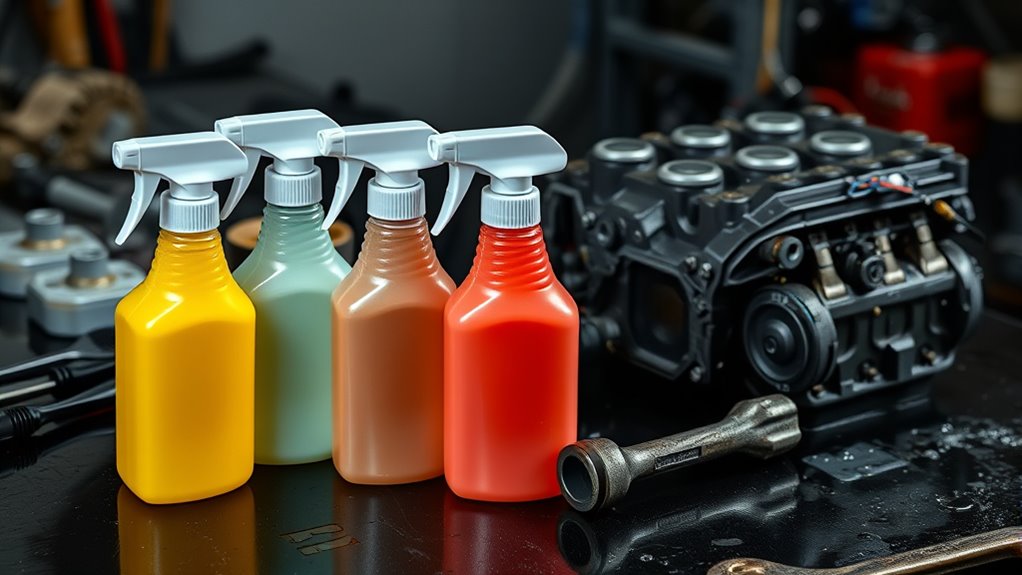
Engine grease can turn routine maintenance into a stubborn chore, so choosing the right degreaser matters. In 2027, three products stand out for different reasons: Aero Cosmetics Wash ALL Heavy-Duty Degreaser, Chemical Guys Signature Series Orange Heavy Duty Degreaser in a gallon size, and its smaller 16 oz counterpart. Each offers strong cleaning power, but the real difference appears in how they balance strength, surface safety, and convenience.

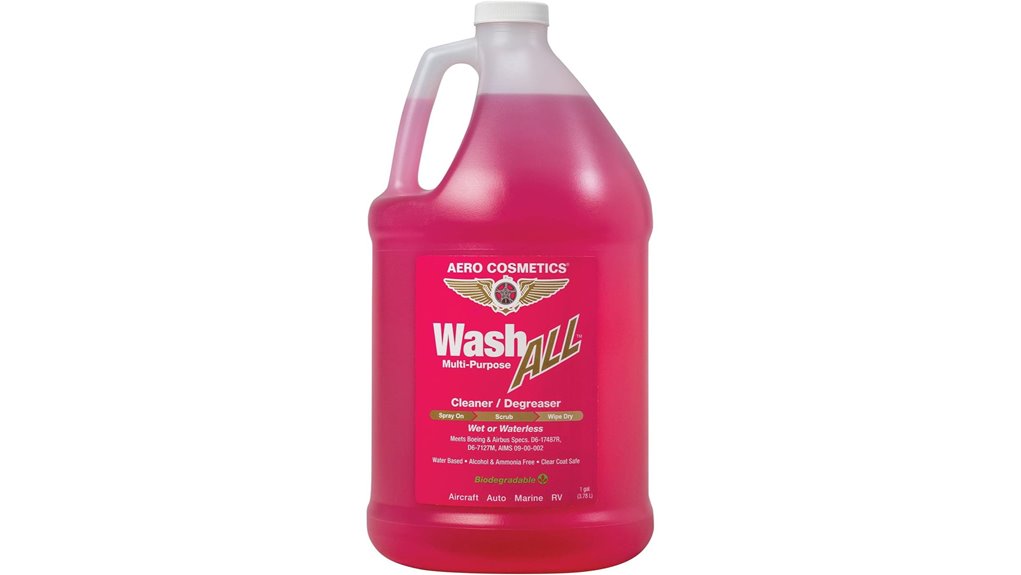
Aero Cosmetics Wash ALL Heavy-Duty Degreaser Cleaner, Engine Grease RV Car

heavy duty engine degreaser cleaner

Aero Cosmetics Wash ALL Heavy-Duty Degreaser Cleaner is a strong pick for drivers and RV owners who want one ready-to-use cleaner that can handle engine grease, brake dust, and road grime without harsh solvents. Its spray-on formula lifts baked-on residue, exhaust buildup, and wheel-well contamination, then wipes away with a damp towel. pH-balanced and independently tested to Boeing and Airbus cleaning standards, it works on aluminum, paint, glass, chrome, plastic, vinyl wraps, decals, and finished leather. It avoids suede, rough-out leather, and Alcantara. Biodegradable and made in the USA.

Best For: Drivers and RV owners who want a ready-to-use, heavy-duty cleaner for engine grease, brake dust, road grime, and other tough buildup on a wide range of surfaces.

Pros:

  • Cuts baked-on grease, exhaust residue, and wheel-well grime on contact.
  • Safe for many surfaces, including aluminum, paint, glass, chrome, plastic, vinyl wraps, decals, and finished leather.
  • Biodegradable, non-toxic, non-flammable, unscented, and made in the USA.

Cons:

  • Not suitable for suede, rough-out leather, or Alcantara.
  • Works best as a cleaner, so a separate product is recommended if you want a protective wax finish.
  • Heavy-duty formula may be more than needed for simple everyday cleaning tasks.

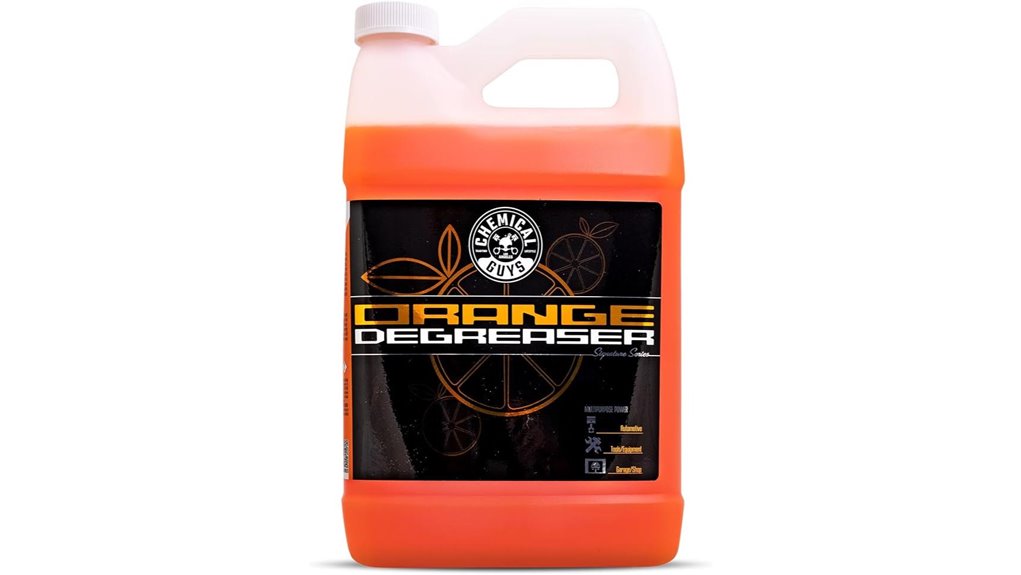
Chemical Guys, Signature Series Orange Heavy Duty Degreaser Spray, 1 Gallon

heavy duty degreaser spray

Chemical Guys Signature Series Orange Heavy Duty Degreaser Spray suits detailers needing serious cleaning power. The 1-gallon formula breaks down grease, oil, grime, and road dirt quickly, making it effective on engines, tires, undercarriages, tools, and shop equipment. Its professional-strength action dissolves buildup on contact, while the spray format allows easy coverage. It can be diluted for lighter cleaning or used full strength for demanding jobs. Designed for engine bays, wheels, and garage surfaces, it offers reliable performance trusted by professionals seeking fast, thorough degreasing results.

Best For: Detailers, mechanics, and automotive enthusiasts who need a professional-strength degreaser for engines, tires, undercarriages, tools, and shop surfaces.

Pros:

  • Breaks down grease, oil, grime, and road dirt quickly.
  • Can be diluted for lighter cleaning or used full strength for heavy-duty jobs.
  • Versatile enough for engine bays, wheels, garage tools, and shop equipment.

Cons:

  • Strong formula may be more than needed for light cleaning tasks.
  • Large 1-gallon size may be inconvenient for small or occasional jobs.
  • Requires spray, scrub, and rinse steps rather than a simple wipe-on application.

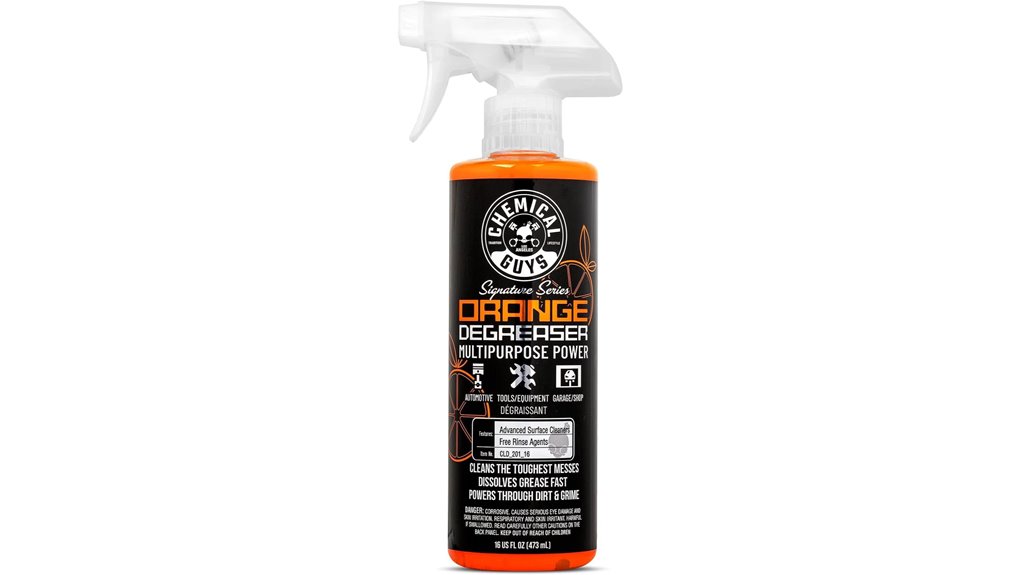
Chemical Guys, Signature Series Orange Degreaser Spray, Heavy Duty, 16 oz

heavy duty degreaser spray

For detailers needing serious grease-cutting power, this citrus-based degreaser stands out. Chemical Guys Signature Series Orange Degreaser Spray comes in a 16 oz bottle and delivers professional-strength cleaning in a compact format. The concentrated formula breaks down grease, oil, grime, and road film on contact, making it useful on engines, tires, undercarriages, tools, and shop equipment. It can be diluted for lighter work or used full strength for tougher jobs. The orange scent adds a cleaner finish. Backed by satisfaction guaranteed support and a 30-day return option, it offers practical versatility.

Best For: Detailers, DIY automotive enthusiasts, and shop users who need a compact but powerful citrus-based degreaser for heavy-duty grease and grime removal.

Pros:

  • Breaks down grease, oil, grime, and road film quickly on contact.
  • Versatile enough for engines, tires, undercarriages, tools, and shop equipment.
  • Concentrated formula can be diluted for lighter cleaning or used full strength for tougher jobs.

Cons:

  • 16 oz size may run out quickly for frequent or large-scale cleaning jobs.
  • Heavy-duty formula may be more than needed for simple everyday cleaning tasks.
  • Effectiveness and scent may vary depending on the surface and dilution used.

Factors to Consider When Choosing Engine Degreasers 2026: Cut Grease and Grime Fast

When choosing an engine degreaser in 2026, cleaning strength remains a key factor for cutting through grease and grime fast. Surface compatibility also matters, since the formula must be safe for metals, plastics, rubber, and painted parts. Spray or concentrate format, dilution options, and application ease can further affect how efficiently the product works in real-world use.

Cleaning Strength

Cleaning strength is the core measure of an engine degreaser, since the best products dissolve heavy grease, oil, dirt, and road grime on contact. Professional-strength formulas are designed to break down stubborn buildup quickly, reducing the need for repeated scrubbing and speeding routine maintenance. This efficiency matters when engines collect layered contaminants from leaks, dust, and road debris. Concentrated formulas add flexibility, allowing users to dilute the product for light cleaning or apply it at full strength for severe contamination. A stronger cleaner can save time, but it should still act predictably under different conditions. For that reason, cleaning strength remains the most important performance indicator, reflecting how well a degreaser handles demanding jobs while supporting thorough results with minimal effort.

Surface Compatibility

Surface compatibility determines whether an engine degreaser cleans effectively without damaging the materials it touches. The best products work safely on bare aluminum, paint, glass, and plastic, reducing the risk of corrosion, clouding, or discoloration during detailing. pH-balanced formulas are especially important because they are less likely to harm sensitive finishes such as leather and vinyl wraps. Compatibility also matters on porous materials, where suede and Alcantara can absorb chemicals and stain or degrade if the wrong cleaner is used. Before application, the label should be checked for approval on specific automotive components, since some chemicals can react poorly with coatings or specialty finishes. A versatile degreaser should support both interior and exterior cleaning while preserving the condition of diverse surfaces.

Spray Or Concentrate

Spray and concentrate formats each suit different cleaning demands. Spray degreasers favor convenience, arriving ready to use and applying quickly to engine surfaces. That makes them practical for routine maintenance, spot cleaning, and situations where speed matters more than customization. Concentrates, by contrast, offer greater flexibility and can be adjusted to match the severity of grease or grime. They are often chosen for broader cleaning tasks or heavier buildup, since their strength can be more powerful when used at full capacity. The better choice depends on the job, the surface involved, and the amount of grease removal needed. In general, sprays streamline fast touch-ups, while concentrates support more adaptable, high-intensity degreasing for users seeking stronger cleaning performance.

Dilution Options

Dilution options give engine degreasers a useful degree of control, allowing the strength to be matched to the amount of grease or grime present. Heavy-duty formulas may be used full strength on stubborn buildup or mixed with water for routine cleaning, giving one product broader utility. Following manufacturer ratios is important, since the correct blend supports cleaning performance while limiting unnecessary wear on sensitive surfaces. For frequent users, dilution can also stretch inventory and lower overall costs, which matters in professional environments. It additionally improves handling by reducing chemical intensity, helping maintain safer working conditions without sacrificing results. The best choices offer clear dilution guidance and enough flexibility to address both severe contamination and lighter maintenance tasks efficiently.

Application Ease

Application ease matters just as much as strength, since a degreaser should be simple to apply and effective without extra effort. Products with straightforward spray application save time and help cover engine bays, tires, and tools evenly without special equipment. Versatility also improves convenience, especially when a formula can be used full strength for stubborn buildup or diluted for lighter cleaning. A good degreaser should also support an easy wipe-down, so grime lifts away with minimal scrubbing after application. Fast drying is another advantage, because it reduces waiting and leaves surfaces ready sooner. The best choices also leave little or no residue, avoiding streaks or film that can dull a clean finish. Together, these traits make cleaning faster, smoother, and less demanding.

Safety Profile

Safety profile should be a top priority when choosing an engine degreaser, since the right formula can clean effectively without harming sensitive surfaces. A neutral pH is often preferable because it helps limit damage while still breaking down heavy grease and grime. Products that have been independently lab-tested provide added confidence, as they are more likely to meet safety specifications across common automotive materials. Biodegradable and non-toxic formulas can also be better options, reducing exposure concerns during application and lowering environmental impact. Multi-surface compatibility matters as well, especially on aluminum, painted parts, and plastics. Any degreaser that is unsuitable for suede or rough-out leather should be kept away from those materials to avoid absorption issues and prevent avoidable surface damage during cleaning tasks.

Scent And Residue

A well-chosen engine degreaser can make cleanup more pleasant as well as more effective, with citrus-based formulas often offering a cleaner scent while cutting through grease and grime. That aroma may improve the overall experience without reducing cleaning power. Residue deserves equal attention, since some degreasers evaporate quickly and leave surfaces ready for use, while others require rinsing to prevent buildup. A film can interfere with later applications such as waxes or sealants, so low-residue formulas are often preferable. Non-toxic and biodegradable products generally minimize harmful leftovers, and pH-balanced options are usually gentler on surfaces while still cleaning thoroughly. Harsh chemicals may leave more residue, increasing the need for extra rinsing and inspection after treatment.

Value Per Size

When weighing value per size, it helps to compare container volume, since larger bottles often deliver a lower cost per ounce than smaller ones. A concentrated degreaser can further improve value because dilution ratios let the user adjust strength and stretch the bottle across more jobs. Efficiency matters as well; a formula that removes grease with fewer sprays or less scrubbing lowers the amount consumed per cleaning. Multi-surface compatibility adds savings by replacing several specialty products with one cleaner for engines, tools, and adjacent areas. Extra benefits, such as biodegradable ingredients or recognized safety certifications, may raise the purchase price, yet they can justify the expense through environmental and health advantages. The best choice balances size, potency, and versatility.

Frequently Asked Questions

Can Engine Degreasers Damage Painted Surfaces?

Yes, engine degreasers can damage painted surfaces, especially if they are strong, left on too long, or used on damaged paint. They may dull, soften, stain, or lift coatings. A careful user would test a small hidden area first, avoid spraying directly on paint when possible, and rinse promptly. Water-based or paint-safe products usually reduce risk, but caution remains important around fresh, clear-coated, or old surfaces.

How Often Should I Degrease My Engine Bay?

It is generally sufficient to degrease an engine bay every 6 to 12 months, though frequency depends on driving conditions and oil leaks. Vehicles exposed to dusty roads, heavy commuting, or mechanical seepage may benefit from more regular cleaning. Overcleaning can be unnecessary and may increase the risk of moisture intrusion if done carelessly. A light inspection and spot cleaning between full degreasings helps maintain cleanliness without excess wear.

Do Degreasers Work on Hot Engines?

In short, degreasers should not be applied to hot engines. Heat can make cleaners evaporate too quickly, reduce effectiveness, and increase the risk of streaking, staining, or damage to sensitive parts. Patience is safer than haste; a cool engine allows the product to work evenly and rinse more cleanly. After all, a cautious approach usually prevents unnecessary trouble, especially around electrical components, hoses, and plastic trims.

Are Engine Degreasers Safe for Plastic Parts?

Engine degreasers are not always safe for plastic parts. Some formulas can dull, crack, or discolor trim, wiring covers, and reservoir caps if left on too long or used full strength. A cautious user checks the label, tests a hidden spot, and rinses promptly. Water-based or plastic-safe products are usually gentler. Strong solvent degreasers should be kept away from sensitive components unless the manufacturer explicitly allows them.

What Safety Gear Should I Wear When Degreasing?

Gloves, goggles, and a respirator are often the right gear when degreasing, because splashes, fumes, and grime tend to arrive together. Coincidentally, long sleeves, closed-toe shoes, and chemical-resistant gloves can reduce exposure while keeping skin covered. A well-ventilated area also matters, since vapors may build up unnoticed. If a strong solvent is used, more protection is wise, and labels should be checked before work begins.

Conclusion

Choosing the right engine degreaser can feel like lifting a veil of road grime from a machine’s hidden heart. Aero Cosmetics Wash ALL brings a biodegradable touch, while Chemical Guys’ orange formulas strike with the force of fresh citrus and heavy-duty power. Together, they promise cleaner metal, smoother maintenance, and a brighter workshop atmosphere. In 2027, cutting grease is less a chore than a reveal, exposing engines that gleam like well-kept armor.

Vance Ashford

Vance brings extensive knowledge in tire specifications, auto accessories, and parts reviews, helping you find the right gear for your vehicle’s safety and performance.

Leave a Comment

Your email address will not be published. Required fields are marked *