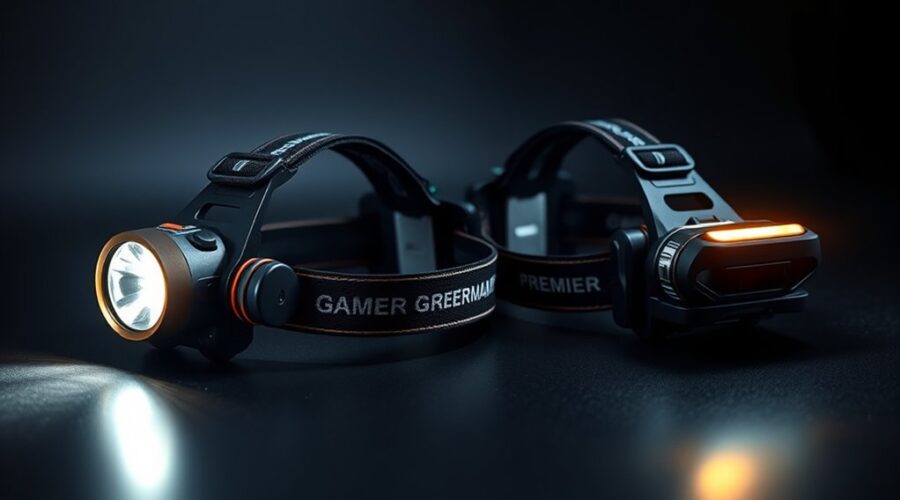
The best headlamp for working on cars is a rechargeable model with a wide, even beam, a red or low mode, and a comfortable strap. Of the five below, the Coast XPH30R is the brightest, the Petzl Actik Core is the best all-rounder, and the Streamlight Bandit and Foxelli are the lightest, simplest picks for under-hood and roadside jobs.
Disclosure: As an Amazon Associate we earn from qualifying purchases. If you buy through links on this page we may earn a commission at no extra cost to you.
Specs here come from manufacturer and retailer listings, not hands-on testing. Lumen ratings are measured under test conditions and real runtime depends on the mode you use.
Quick answer
- Brightest: Coast XPH30R, with a twist-focus beam.
- Best all-rounder: Petzl Actik Core, 600 lumens with a rechargeable battery (or AAAs as backup).
- Lightest budget pick: Foxelli 180-lumen USB-C headlamp.
- Most compact for close work: Streamlight Bandit, 180 lumens.
- Best ultralight with colour options: Nitecore NU25 with white, red and high-CRI light.
Headlamp comparison
| Headlamp | Max output (per listing) | Charging | Link |
|---|---|---|---|
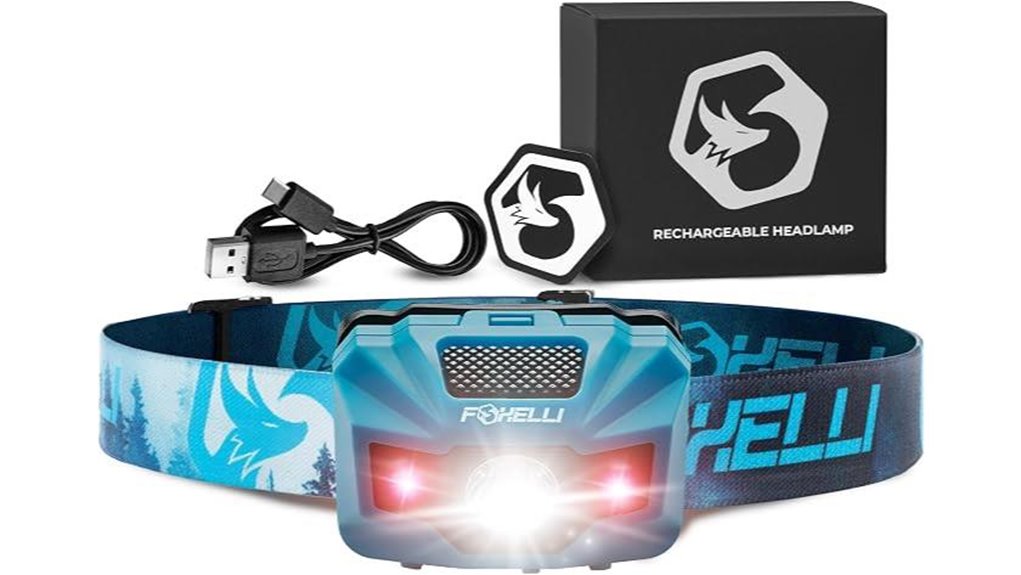 Foxelli 180 lumens |
180 lumens, 5 modes incl. red and SOS | USB-C | See it on Amazon |
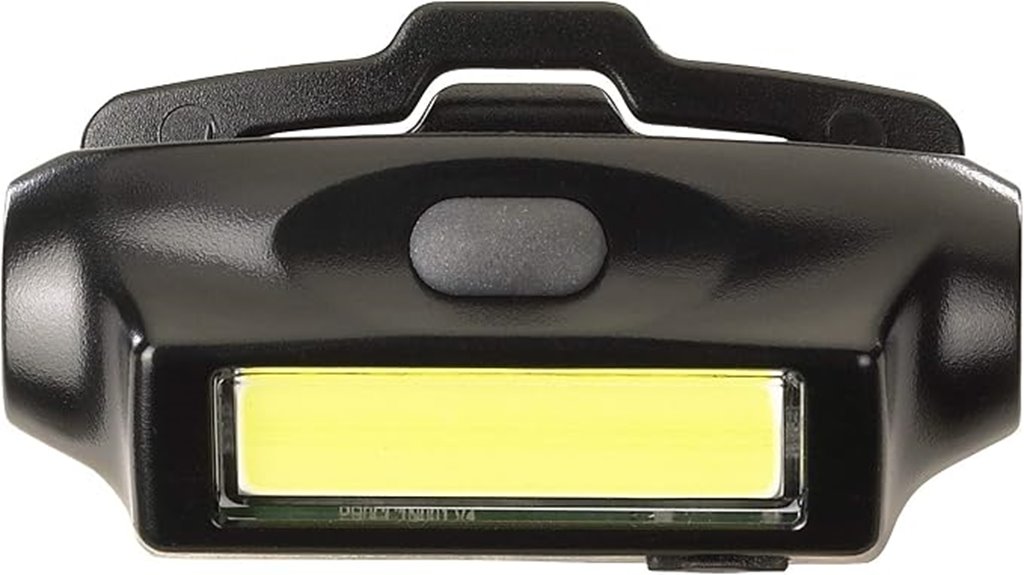 Streamlight Bandit |
180 lumens high, 35 low | USB, rechargeable lithium polymer | See it on Amazon |
 Nitecore NU25 |
Up to 360 lumens, white, red, high-CRI | Micro-USB | See it on Amazon |
 Coast XPH30R |
About 1,000 to 1,200 lumens depending on listing | USB-C | See it on Amazon |
 Petzl Actik Core |
600 lumens with the Core battery | Rechargeable Core battery | See it on Amazon |
Foxelli USB-C Rechargeable Headlamp
Fits / best for: Drivers who want a light, inexpensive headlamp for roadside tire changes and general garage use.
Per the listing it weighs about 2.4 oz, has five modes (white, dim, red and SOS strobe), an IPX5 splash-resistant build and a lithium polymer battery rated up to 40 hours on its lowest setting. The listed beam reach is about 300 feet.
Pros: Light, USB-C charging, red night mode.
Limitations: Modest brightness for deep engine bays; runtime figures apply to the lowest mode.
Streamlight Bandit 61702
Fits / best for: Close-range work such as brake jobs, under-dash wiring and checking fluid levels.
The Bandit gives bright, diffused light at 180 lumens on high and 35 on low, with about 2 hours on high and 9 on low per retailer specs. It weighs roughly 1.3 oz and is listed as IPX4 water resistant, so a splash is fine but it is not a dunk-proof light.
Pros: Very light, even flood beam, USB rechargeable.
Limitations: Short runtime on high; limited throw for long-range use.
Nitecore NU25
Fits / best for: Ultralight use where you want white light plus a red or high-CRI option for close inspection.
Nitecore lists up to 360 lumens from a CREE LED with roughly 88 yards of throw, plus auxiliary red and high-CRI LEDs. It weighs about 1.9 oz with the headband and charges through a built-in micro-USB port.
Pros: Under 2 oz, useful secondary lights, good for inspecting paint and wiring colours.
Limitations: Micro-USB rather than USB-C; the built-in battery is not meant to be swapped in the field.
Coast XPH30R
Fits / best for: Heavy-duty work such as lighting a whole engine bay, a driveway or a night-time roadside repair.
Coast markets the XPH30R as a twist-focus headlamp with dual power options and USB-C charging. Output is listed as 1,000 lumens by Coast retailers in Canada and 1,200 lumens on some Amazon titles, so treat the headline number as approximate.
Pros: Highest output in this group, focusable beam.
Limitations: Heavier than the compact options, and the highest mode drains the battery quickly.
Petzl Actik Core
Fits / best for: Everyday garage, camping and roadside use when you want a balanced, well-built light.
Petzl rates the Actik Core at up to 600 lumens with the Core battery (450 lumens on AAAs), weighs about 88 g, and offers white and red modes. One review lists a maximum throw of roughly 115 m and runtime of about 2 hours at max and up to 100 hours on low.
Pros: Balanced brightness, swappable power (Core battery or three AAAs), proven brand.
Limitations: Costs more than budget lamps; confirm the exact version listed.
How to choose a headlamp for working on cars
- Beam type: a wide flood beam lights the bay evenly; a focused spot helps you see far back in tight areas.
- Red mode: keeps your eyes adapted at night, handy on the roadside.
- Battery: rechargeable is convenient. A model that also takes AAAs is a good backup.
- Weather rating: IPX4 handles splashes; IPX5 or better suits rain and snow.
- Fit: a slim, non-slip strap stays put when you lie under a car or wear a hat or helmet.
Pair a headlamp with safe lifting gear. See our jack stands guide and car jacks guide, and keep a portable jump starter in the trunk for winter no-starts.
Safety notes
- Do not charge a headlamp in a hot parked car or under direct sun.
- Cold weather cuts lithium battery runtime, so bring a spare or charge indoors before a winter job.
- Never rely only on a jack. Always use jack stands.
Frequently asked questions
Is it safe to use a headlamp while it is charging?
It is best not to. Charge it unattended on a non-flammable surface and unplug it once full, following the manufacturer instructions.
Can I wear a headlamp over a helmet?
Many headlamps have adjustable straps that fit over a helmet or hat, but check strap length and comfort on the product listing.
How often should headlamp batteries be replaced?
Rechargeable lithium batteries lose capacity over hundreds of charge cycles. Replace or retire them when runtime drops sharply or the battery swells.
Do headlamps work well in extreme cold?
Cold reduces battery output, so runtime is shorter. Keep the headlamp in an inside pocket until you need it.
Are red-light modes useful?
Yes. Red light helps preserve night vision and is less likely to blind other people at the roadside.