In 2027, VHT Wheel Paint stands out as a leading automotive clear coat for a deep showroom shine. Its polyurethane finish promises strong gloss, solid heat resistance, and reliable protection against chips and fading. Yet the real question is whether its clear gloss alone can satisfy every finish goal. The answer depends on a few key factors that often decide how far a polished surface can go.
VHT Wheel Paint, Gloss, Clear, 11 oz
https://m.media-amazon.com/images/I/61bTsh5vp7L._AC_SY879_.jpg
VHT Wheel Paint, Gloss, Clear, 11 oz stands out as a strong choice for drivers who want a durable showroom-style finish on steel or aluminum wheels. This polyurethane aerosol clear coat is designed to resist chipping, cracking, fading, and oxidation while handling heat up to 250°F. Each 11-ounce can covers roughly 12 to 14 square feet, making it practical for wheel refinishing. Its gloss finish helps preserve a clean, polished look against brake dust, salt, sand, and rocks. It suits standard and custom wheels needing lasting protection.
Best For: Drivers looking for a durable gloss clear coat to protect and refresh steel or aluminum wheels with resistance to chips, fading, oxidation, and road debris.
Pros:
- Provides a tough, chip-resistant polyurethane finish for wheels.
- Withstands heat up to 250°F and helps protect against oxidation.
- Covers about 12 to 14 square feet per can with a polished gloss look.
Cons:
- Only available in a clear gloss finish, so it won’t add color.
- Not specified as waterproof.
- Coverage may be limited for larger wheel projects or multiple coats.
Factors to Consider When Choosing Automotive Clear Coat 2026: Deep Showroom Shine
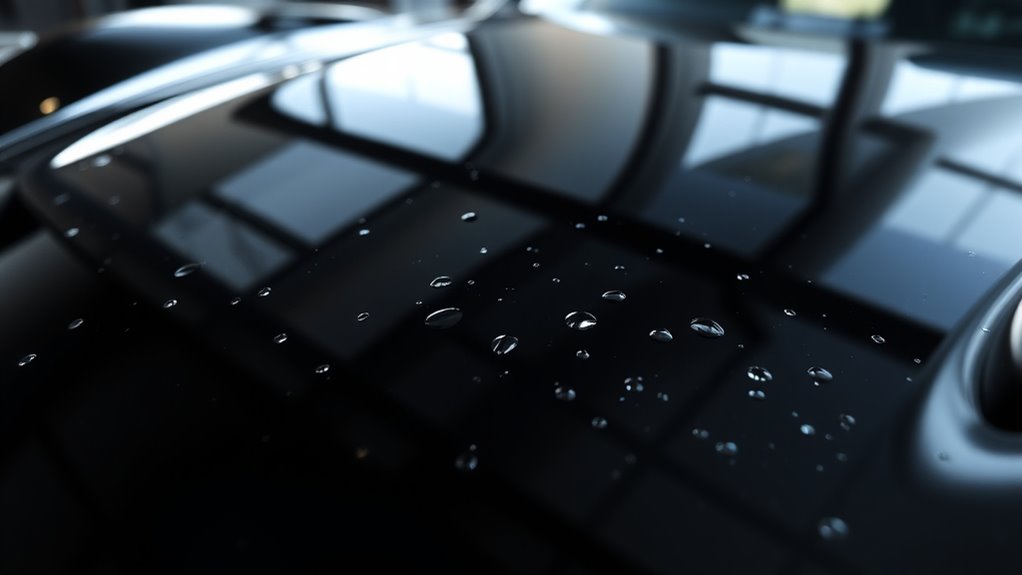
Choosing an automotive clear coat in 2026 begins with evaluating gloss and depth, since both shape the showroom shine that stands out. It also requires attention to durability against chips, heat resistance, and protection from UV exposure and oxidation. Surface compatibility remains essential, because the best finish depends on how well the clear coat bonds to the underlying paint and materials.
Gloss And Depth
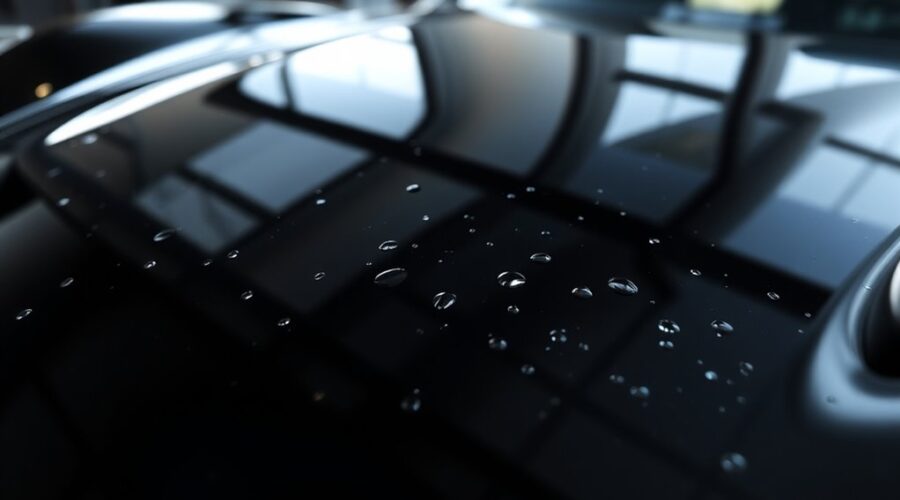
Gloss is the clear coat’s reflective quality, and when it is high, it gives the vehicle a sharper, more polished appearance. Depth comes from layered application, which adds richness and makes color and body lines appear fuller. Together, gloss and depth create the deep showroom shine associated with a freshly detailed vehicle. A strong finish also helps the paint retain its visual appeal by resisting UV exposure, oxidation, and surface contaminants that dull clarity over time. Achieving this balance depends on selecting suitable materials and applying them with consistent technique. When both elements are optimized, the result is a finish that looks vibrant, refined, and carefully maintained, with visual impact that stands out in bright light and from close viewing angles.
Durability Against Chips
Durability against chips is a key factor because a clear coat must protect the paint from road debris without quickly losing its finish. Chip resistance helps preserve the vehicle’s appearance by limiting marks from gravel, sand, salt, and brake dust. A stronger coating can reduce the need for frequent touch-ups and repairs, which lowers long-term costs and preserves a cleaner finish. Selection should focus on products tested for harsh driving conditions, since weak coatings can break down faster when exposed to abrasive contaminants. Application also matters; proper surface preparation and favorable conditions can improve resistance to chipping. A well-chosen clear coat balances appearance with protection, allowing the paint beneath to stay intact and the exterior to maintain a polished look over time.
Heat Resistance
Heat resistance is another important factor when selecting an automotive clear coat, especially for finishes meant to maintain a deep showroom shine over time. A strong formulation can endure temperatures up to 250°F (121°C) without softening, melting, or losing gloss. That stability matters because excessive heat can leave blemishes and weaken the coating’s durability. Vehicles parked in direct sunlight or used in high-performance conditions benefit most from this protection. Heat resistance also supports the coating’s longevity by limiting stress from thermal expansion and contraction, which can affect the paint beneath. When comparing products, it is wise to look for clear coats that specifically state heat resistance on the label or technical sheet, since that detail signals better protection against environmental stressors.
UV And Oxidation
UV exposure and oxidation are two of the biggest threats to a clear coat’s long-term appearance, as sunlight can fade finishes and dull gloss while oxygen, moisture, and pollution can drive corrosion and pitting on vulnerable surfaces. A strong clear coat helps resist these effects by using UV stabilizers that reduce sun damage and preserve color depth. This protection matters most on vehicles stored outdoors or driven frequently in harsh conditions. Oxidation control also supports the finish’s integrity, keeping metal surfaces from losing their clean, reflective look. Regular washing and waxing further limit buildup that can speed deterioration. When the goal is a deep showroom shine, durability against UV and oxidation is essential, because appearance degrades quickly without consistent protection and maintenance.
Surface Compatibility
Surface compatibility is a critical starting point when selecting an automotive clear coat, because the product must bond properly to the underlying material, whether steel, aluminum, painted panels, or bare metal. Formulations differ, and some are built for painted substrates while others perform better on bare metal, which can affect gloss and durability. The surface’s temperature tolerance should also be reviewed, since automotive panels may require a coat that withstands heat without breaking down. Chip resistance and oxidation protection matter as well, helping the finish resist road debris and environmental exposure over time. Coverage should not be overlooked; aerosol products commonly cover about 12 ft² to 14 ft² per can, so the intended area must be matched to the package specifications for reliable results.
Frequently Asked Questions
How Long Does Automotive Clear Coat Take to Fully Cure?
Automotive clear coat typically takes 24 to 48 hours to become dry to the touch, but full curing can take 7 to 30 days depending on product type, temperature, humidity, and film thickness. During that period, the finish continues hardening and gaining chemical resistance. Warm, well-ventilated conditions speed the process, while colder or damp environments slow it. Careful handling during curing helps prevent scratches, impressions, and premature damage.
Can Clear Coat Be Applied Over Existing Factory Paint?
Yes, clear coat can be applied over existing factory paint if the surface is sound, clean, and properly prepared. The paint must be sanded to create adhesion, then degreased before spraying. If the factory finish is peeling, cracked, or failing, the clear coat will not fix it and may worsen the problem. Proper prep and compatible products are essential for a durable, glossy result and long-term protection.
What Humidity Levels Affect Clear Coat Application Quality?
In a modern twist, humidity directly affects clear coat application quality. Ideal levels usually stay between 40% and 60%. Below that, the coating may dry too fast, causing poor leveling and dry spray. Above that, moisture can trap in the finish, leading to cloudiness, blushing, or reduced adhesion. A stable, controlled environment gives the best results, allowing the clear coat to cure evenly and produce a smoother, glossier surface.
Does Clear Coat Improve UV Protection on Older Vehicles?
Yes, clear coat can improve UV protection on older vehicles, especially if the original finish has faded or thinned. It adds a sacrificial layer that helps block sunlight and slow further oxidation. However, its effectiveness depends on surface preparation, product quality, and application thickness. If the underlying paint is already damaged, clear coat will not fully restore protection, but it can still extend the finish’s life and appearance.
Can Scratches Be Repaired Without Removing All Clear Coat?
Yes, light scratches can often be repaired without removing all clear coat. Like polishing a fogged window until the view returns, detailing methods may erase only the damaged top layer. A technician can use compound, polish, or wet sanding to blend the scratch while preserving most of the coating. Deeper gouges, however, may reach paint or primer, requiring more extensive refinishing to restore durability and appearance.
Conclusion
In 2027, VHT Wheel Paint stands like a polished mirror at the end of the automotive rainbow, casting a deep showroom glow across steel and aluminum wheels. Its clear gloss finish, durable polyurethane armor, and strong resistance to heat, chips, fading, and oxidation help preserve that wet-looking shine. When paired with careful preparation and layered application, it turns ordinary metal into a reflective stage, where every curve catches the light like a spotlight.