The best personal breathalyzer for most people is a fuel-cell model such as the BACtrack S80, Trace or C8, because fuel-cell sensors are generally more accurate and stable than cheap semiconductor ones. A personal breathalyzer only gives an estimate. It is a screening tool, not permission to drive, so if you have been drinking, arrange another way home.
Disclosure: As an Amazon Associate we earn from qualifying purchases. If you buy through links on this page we may earn a commission at no extra cost to you.
This guide is based on manufacturer and retailer descriptions, not hands-on testing. Compliance and clearance claims below are the makers’ own statements, so check the current listing and local rules. Canadian legal limits and enforcement do not depend on a personal device.
Quick comparison
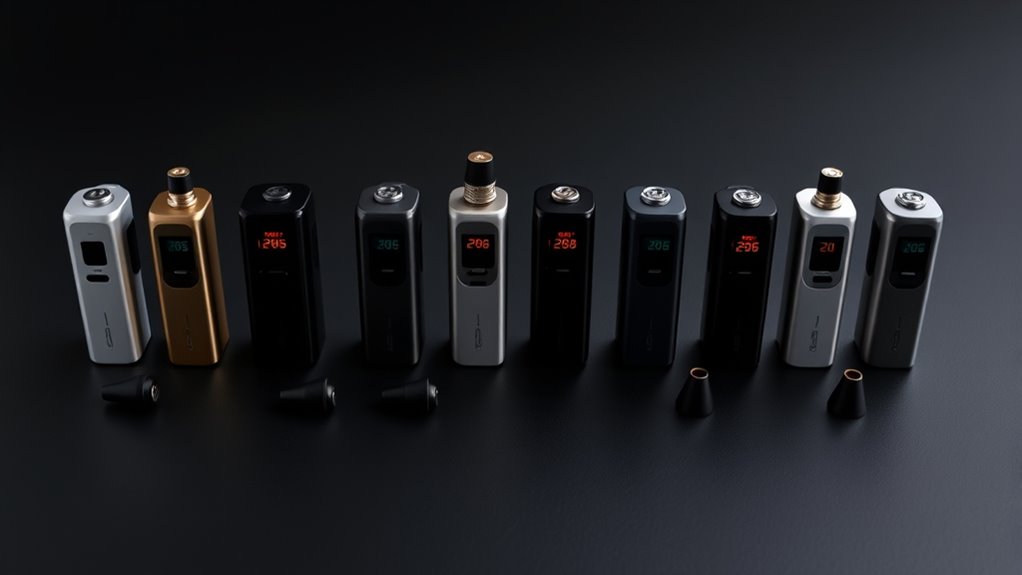
| Model | Sensor and extras (per listing) | Best for | Link |
|---|---|---|---|
 BACtrack S80 |
Fuel cell, 2 AA, FDA 510(k) cleared | Simple, high-end personal use | Check price on Amazon |
 10 Fuel Cell |
Fuel cell, iSOBER app logging | Record keeping | Check price on Amazon |
 BACtrack Trace |
Fuel cell, 2 AAA | Compact one-button tester | Check price on Amazon |
 AlcoMate Premium AL7000 |
Semiconductor, replaceable sensor | Higher-volume workplace screening | Check price on Amazon |
 BACtrack Scout |
Fuel cell, 2 AAA | Pocket-size personal checks | Check price on Amazon |
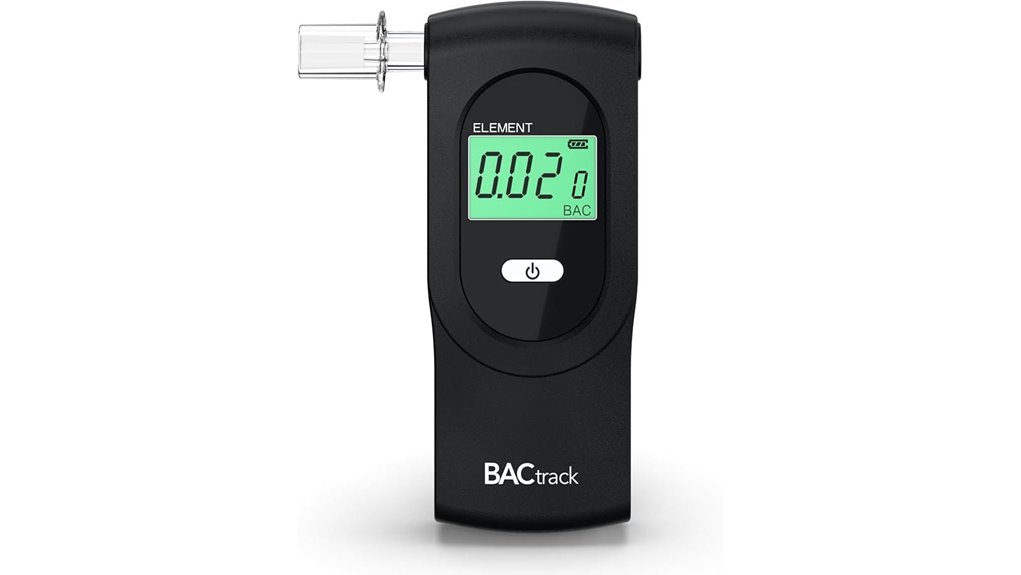 BACtrack Element |
Fuel cell, 2 AAA | Compact one-button tester | Check price on Amazon |
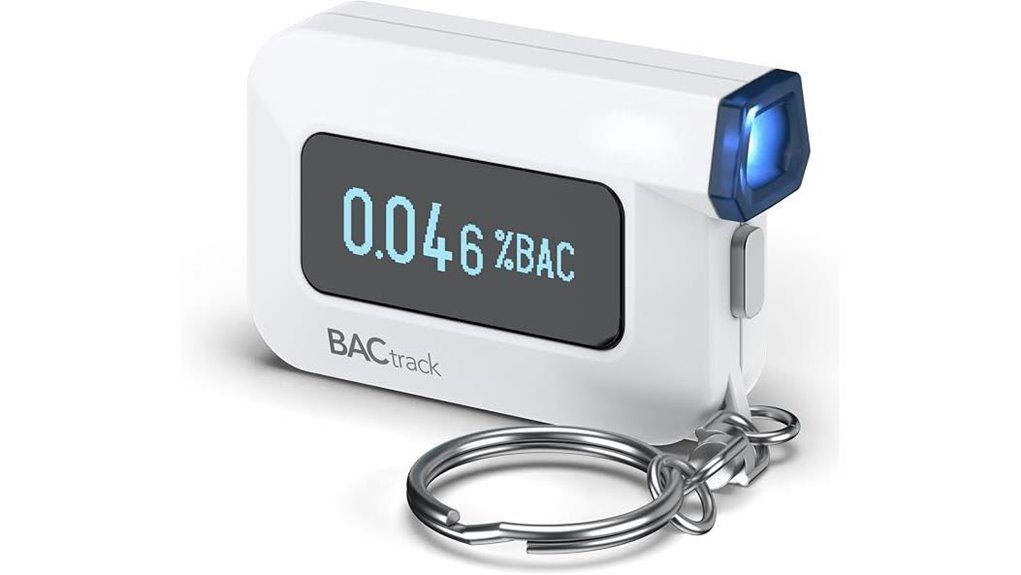 BACtrack C6 |
BluFire fuel cell, optional app | Keychain carry | Check price on Amazon |
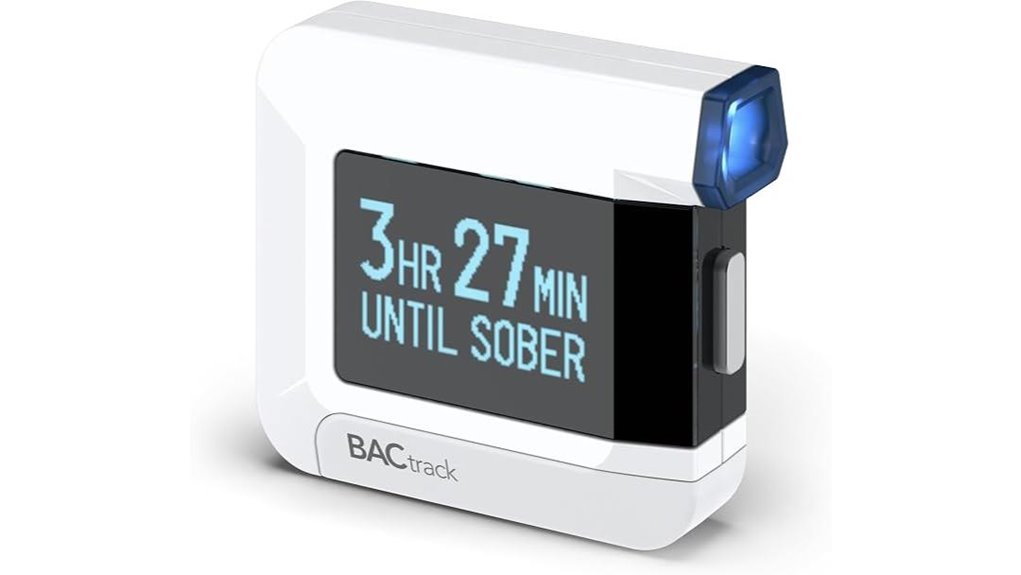 BACtrack C8 |
BluFire fuel cell, optional app, ZeroLine | Everyday app-optional use | Check price on Amazon |
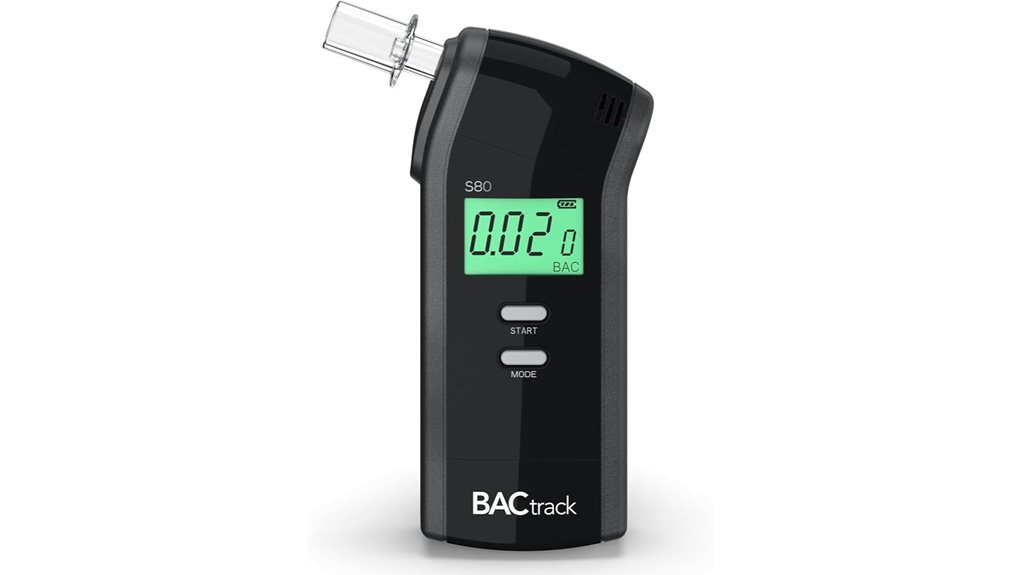
BACtrack S80
BACtrack lists the S80 as FDA 510(k) cleared, with a platinum-based fuel cell sensor, one-button use, two AA batteries and adjustable units and thresholds. The maker also states it meets US DOT and NHTSA standards. Those are US standards and do not make it a legal testing device in Canada.
Best for: people who want a simple, accurate-feeling personal device.
- Pros: fuel cell sensor, clearance listed by maker, easy to use.
- Limits: non-rechargeable batteries, and calibration is still needed over time.
See the BACtrack S80 on Amazon
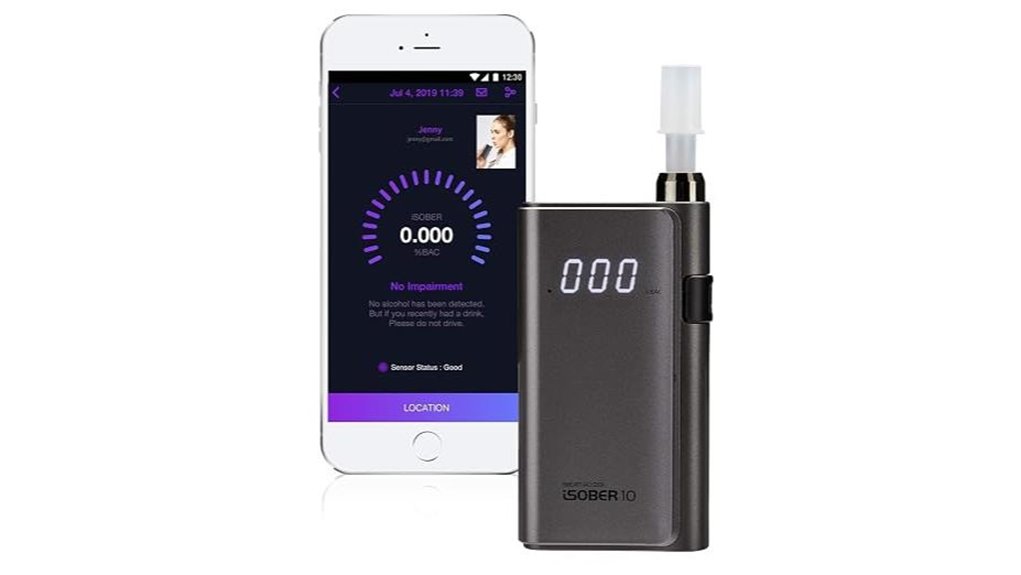
10 Fuel Cell app-connected breathalyzer
This unit works alone or with the iSOBER app, which per the listing records time, location and photos and can send results by text or email. The maker suggests calibration every 12 months or 1,000 tests. If you want a log of your tests, it is the most record-focused option here.
Best for: people who want logged results.
- Pros: app logging and alerts, calibration reminders.
- Limits: full features need the app, and it needs periodic calibration.
See the 10 Fuel Cell on Amazon
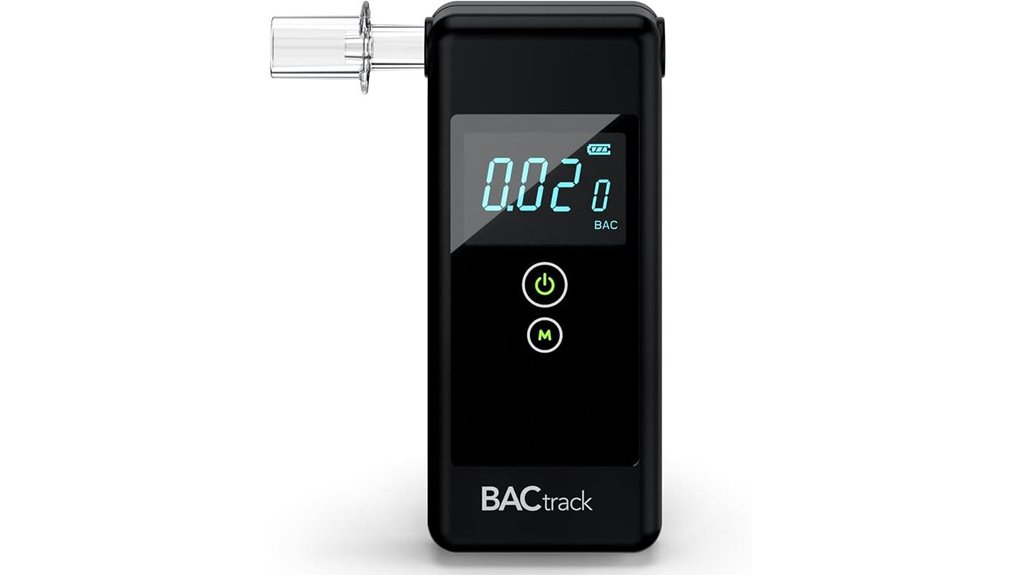
BACtrack Trace
The Trace is a compact fuel-cell model with one-button operation and two AAA batteries. The maker markets it as DOT/NHTSA compliant. It has no app or Bluetooth, which keeps it simple.
Best for: a no-fuss pocket device.
- Pros: small, simple, fuel cell sensor.
- Limits: no app, and battery-powered.
See the BACtrack Trace on Amazon
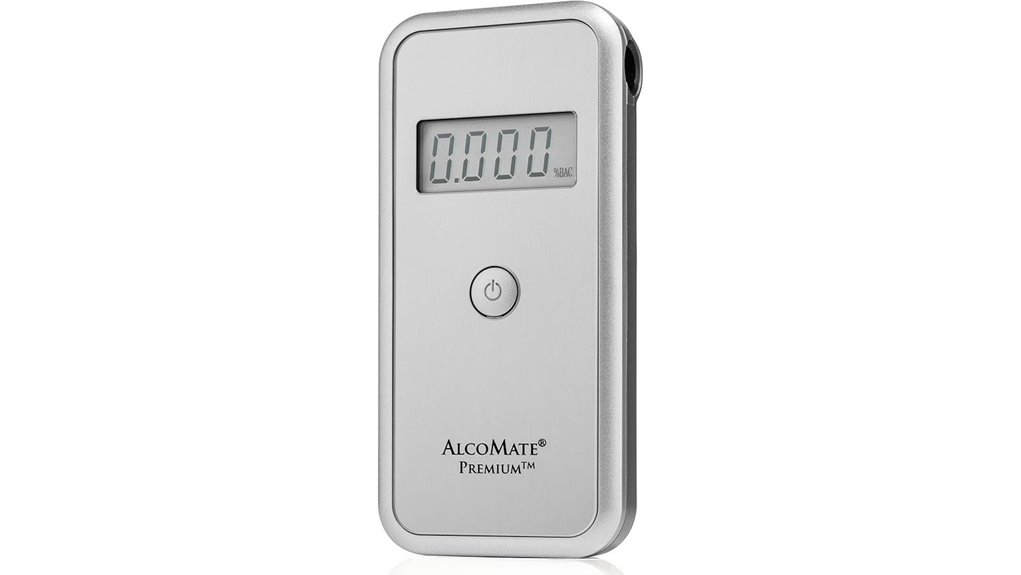
AlcoMate Premium AL7000
The AL7000 uses a semiconductor sensor with replaceable PRISM modules. The listing says it needs no calibration, and recommends sensor replacement after 200 tests or 12 months, and it quotes accuracy of plus or minus 0.01 at 0.100% BAC. Semiconductor sensors are generally less accurate than fuel cells, so treat results with extra caution.
Best for: frequent use by small businesses or events.
- Pros: replaceable sensor, no calibration per the listing.
- Limits: semiconductor sensor, and ongoing sensor costs.
See the AlcoMate AL7000 on Amazon
BACtrack Scout
The Scout is a compact handheld that runs on two AAA batteries with one-button use. The maker markets it as DOT/NHTSA compliant and describes the same Xtend fuel cell sensor technology used across its line. It has no app features.
Best for: carrying in a bag or car.
- Pros: small, simple, fuel cell.
- Limits: no logging or app.
See the BACtrack Scout on Amazon
BACtrack Element
The Element is another compact, one-button fuel-cell model with two AAA batteries, marketed as DOT/NHTSA compliant. Its specs are very close to the Trace and Scout, so compare current prices and pick the one that is in stock for you.
Best for: the same buyers as the Trace and Scout.
- Pros: compact, fuel cell sensor.
- Limits: battery powered, no app.
See the BACtrack Element on Amazon
BACtrack C6 keychain breathalyzer
The C6 is a keychain-size unit with BluFire fuel cell sensing, an optional Bluetooth app and a feature called ZeroLine that estimates how long until your BAC reaches 0.00%. Treat that estimate as rough, since people clear alcohol at different rates.
Best for: people who want a keychain tester.
- Pros: tiny, optional app, ZeroLine estimate.
- Limits: app features need a phone.
BACtrack C8
The C8 is a mini handheld with BluFire fuel cell sensing, results on the device or through the BACtrack app, and the ZeroLine estimate. It sits above the C6 in the lineup.
Best for: everyday users who want the option of an app.
- Pros: on-device or app display, mini size.
- Limits: one-year warranty per the listing, and Bluetooth pairing adds setup steps.
How to choose a personal breathalyzer
- Sensor type: fuel cell sensors are generally more accurate and stable than semiconductor ones.
- Calibration: expect to calibrate or replace the sensor on a schedule, such as every 12 months or a set test count.
- Claims: FDA clearance and DOT or NHTSA conformity are US designations. They are not Canadian approvals.
- Features: apps add logging, while basic units are simpler and cheaper.
- Batteries: AA or AAA batteries are replaceable, but you need spares.
Using a breathalyzer correctly
- Wait at least 15 to 20 minutes after your last drink, and after using mouthwash, before testing, to avoid residual mouth alcohol.
- Follow the maker’s blowing instructions exactly, and retest if a result looks odd.
- Do not use a reading to decide whether you are safe to drive. Alcohol can still be rising after your last drink.
- In Canada, the Criminal Code limit is 0.08% BAC, and provinces set lower limits for sanctions (commonly 0.05%) and zero for some drivers. Impairment is an offence at any level.
For other in-car safety gear, see our GPS trackers for cars, car GPS navigation picks and portable jump starters.
Frequently asked questions
How often should I calibrate a personal breathalyzer?
Follow the maker’s schedule. Many fuel cell units call for calibration or a sensor swap about every 12 months or after a set number of tests, and sooner if readings look off or the unit was dropped.
Can mouthwash affect breathalyzer results?
Yes. Alcohol-containing mouthwash can inflate a reading. Wait at least 15 to 20 minutes, rinse with water and retest.
How long after drinking should I wait before testing?
Wait at least 15 to 20 minutes so mouth alcohol clears. Your BAC may still rise afterwards, so one early reading can understate the later peak.
Do breathalyzers work in cold weather?
Most have an operating temperature range in the manual. A unit left in a freezing car may read poorly, so let it return to the stated range before testing.
Can I use a personal breathalyzer as legal evidence?
Generally no. Personal devices are for screening only, and police use approved instruments and procedures. A private reading will not protect you from an impaired-driving charge.
Is a personal breathalyzer enough to decide if I can drive?
No. Readings are estimates and your BAC can still rise. If you have been drinking, use a taxi, rideshare or a sober driver.