Safer night driving in 2027 often starts with the right LED headlights. The HIKARI WINGS, SEALIGHT 9005 H11, and BEAMTECH 9006 each take a different approach to brightness, beam coverage, and durability. One offers standout output, another reduces dark spots, and the third favors steady performance without a fan. The differences may seem small at first, but they can matter more than expected on dark roads.
HIKARI WINGS 40000LM H11/H8/H9 LED Fog Light Bulbs
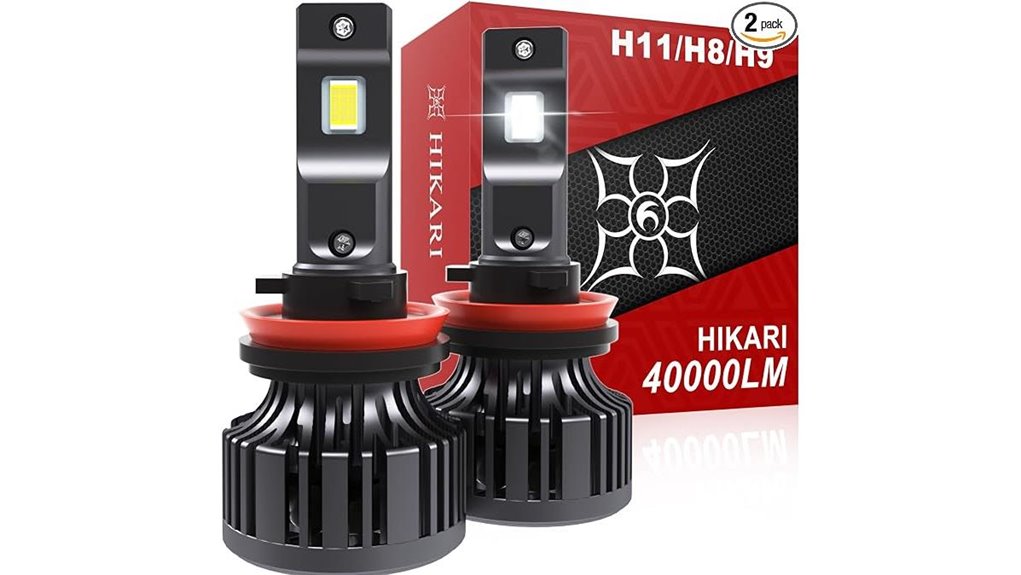
For drivers who want a simple, high-output upgrade for clearer night visibility, the HIKARI WINGS 2026 H11/H8/H9 LED bulbs stand out as a strong choice. Rated at 40,000 lumens per set and 6000K cool white, they are designed for low beam, high beam, and fog light use. Six LED chips and super-thin chip technology help concentrate the beam while limiting glare. The bulbs are built for roughly 50,000 hours, carry an IP68 rating, and install in about five minutes. CANBUS support reduces error codes, flickering, and compatibility concerns.
Best For: Drivers who want a bright, easy-to-install LED fog light upgrade with broad H11/H8/H9 compatibility and strong performance in low beam, high beam, or fog light applications.
Pros:
- Very bright 40,000-lumen output with 6000K cool white light for improved night visibility.
- Plug-and-play installation takes about five minutes and fits existing housings without modification.
- CANBUS support, IP68 water resistance, and a long 50,000-hour lifespan add reliability.
Cons:
- The very high brightness may be more than some drivers need for everyday use.
- Compatibility is high, but some vehicles may still require additional fitment checking.
- Best results depend on proper installation and housing design to control glare.
SEALIGHT 9005 H11 LED Bulbs, Pack of 2
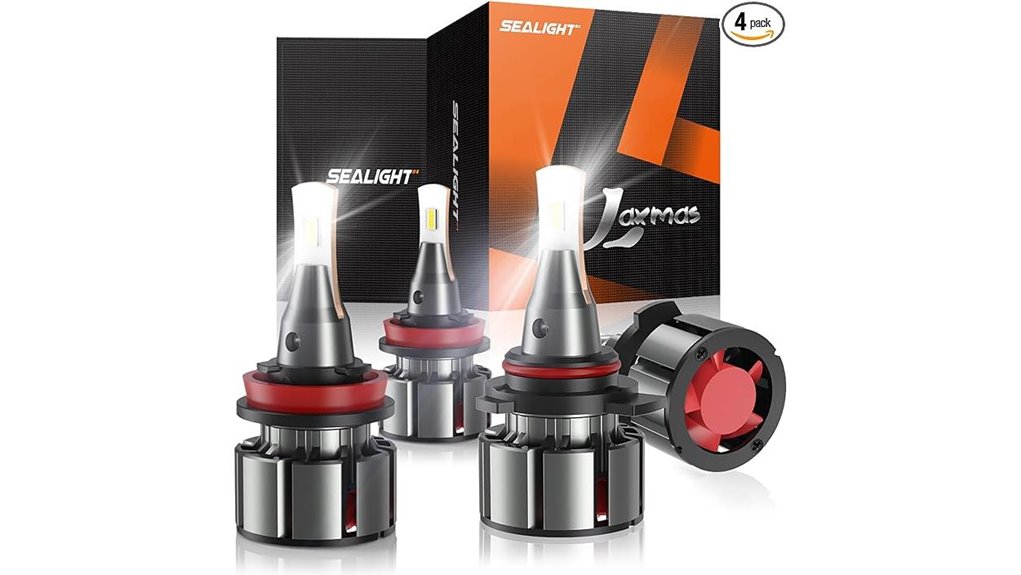
With 24,000 lumens and 360-degree illumination, the SEALIGHT 9005 H11 LED Bulbs suit drivers who want brighter, wider night visibility. Their 6000K cool white output and 8X illumination over standard bulbs help reduce dark spots and shadows, while the ultra-thin 0.04-inch board supports even beam spread. A 15,000 RPM turbo fan, aerospace aluminum, and copper construction manage heat for an estimated 60,000-hour lifespan. The IP68 rating adds weather protection. Installation is plug and play, usually taking about five minutes, though some vehicles may require a decoder.
Best For: Drivers who want a brighter, wider, easy-to-install LED headlight upgrade with strong cooling and weather resistance.
Pros:
- 24,000 lumens and 6000K cool white light improve nighttime visibility and reduce dark spots.
- Plug-and-play installation takes about five minutes for most vehicles.
- IP68 waterproofing, aerospace aluminum, copper construction, and a 15,000 RPM turbo fan support durability and heat control.
Cons:
- Some vehicles may require a decoder for proper compatibility.
- Brightness may be excessive for drivers who prefer a warmer or softer light.
- Fitment is described as compatible with 99% of vehicles, so a small number may still have installation issues.
BEAMTECH 9006 Fog Light Bulb
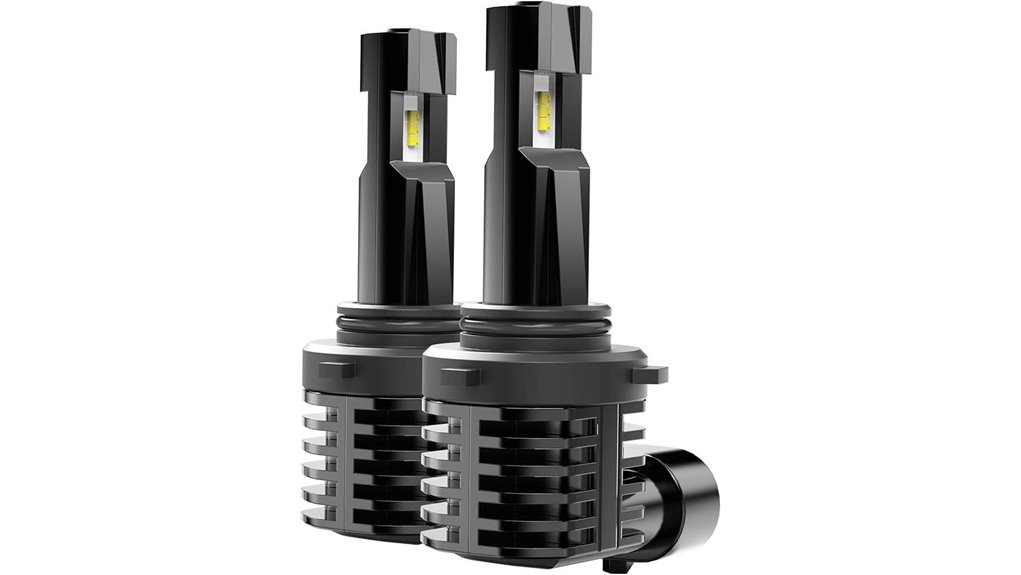
BEAMTECH’s 9006 HB4 fog light bulb suits drivers who want quiet, easy-to-install night visibility. This fanless 2-pack uses a compact direct-insert design, so no extra driver or wiring harness is needed. It outputs a white 6500K beam at 60 watts and 32 volts, with a luminous point aligned to the original bulb for steady illumination. The bulb is rated for 30,000 hours, making it a practical long-life option. BEAMTECH lists the model as 9006/HB4 LED Bulb, part number V003, and supports returns through Amazon’s 30-day guarantee.
Best For: Drivers who want a quiet, easy-to-install 9006/HB4 fog light upgrade with bright white output and long life.
Pros:
- Fanless design runs quietly and reduces complexity.
- Direct-insert installation means no extra driver or wiring harness is needed.
- 30,000-hour lifespan with a 6500K white beam for steady visibility.
Cons:
- 6500K light may feel too cool or harsh for some drivers.
- 60-watt output may not suit all vehicle setups or preferences.
- Only compatible with 9006/HB4 applications, limiting fitment.
Factors to Consider When Choosing LED Headlights 2026: Brighter, Safer Night Driving
When selecting LED headlights in 2026, brightness output and beam pattern remain key factors for clearer, safer night driving. Bulb compatibility should be checked carefully, along with lifespan, cooling performance, and overall installation ease. These elements help determine whether a headlight upgrade delivers reliable visibility and long-term value.
Brightness Output
Brightness is one of the most important factors in choosing LED headlights for night driving, and it is measured in lumens, with higher numbers indicating stronger light output. High-performance LED bulbs can reach up to 40,000 lumens, far exceeding traditional halogen options. This greater intensity can improve visibility, helping drivers detect road signs, lane markings, and hazards more easily. A cool white color temperature near 6000K also supports clearer sight and may reduce eye strain during long nighttime trips. Reliable LED headlights are valued not only for brightness, but also for maintaining steady illumination without dark spots or shadows. With lifespans reaching 60,000 hours, they can provide lasting performance and consistent light output, making them a practical choice for safer night driving.
Beam Pattern
A precise beam pattern is essential for LED headlights because it directs light onto the road while limiting glare for oncoming drivers. A well-designed pattern concentrates illumination where it is needed most, improving visibility and helping the driver read lane edges, signs, and hazards with greater confidence. Modern LED units often use super-thin chip technology to create a focused beam, which can sharpen contrast and reduce the scatter common with older bulbs. Effective patterns also minimize dark spots and shadows, supporting safer night travel. In some models, adjustable beam settings let drivers match lighting to highway, suburban, or rural conditions. Compatibility with reflector designs further helps maintain balanced light distribution and consistent performance.
Bulb Compatibility
After a precise beam pattern sets the light where it belongs, bulb compatibility determines whether the LED headlights will work correctly in the vehicle. The socket type must match the car’s original design, whether H11, H8, or H9, because even strong LEDs fail if they cannot fit properly. Lumens output also matters, since higher ratings usually mean brighter illumination and better nighttime visibility. A color temperature between 6000K and 6500K is often preferred for a cool white tone that improves road definition without adding excessive glare. Compatibility should also include modern electronics, so bulbs with built-in error prevention can help reduce flickering and dashboard warning codes. Finally, longevity above 30,000 hours offers a practical advantage by limiting replacement frequency and supporting reliable use over time.
Lifespan And Cooling
Durability matters as much as output when choosing LED headlights for 2026, because lifespan and cooling directly affect long-term performance. LED headlights typically last 30,000 to 60,000 hours, far exceeding halogen bulbs, which often fail after about 1,000 hours. That extended service life depends on effective thermal control. Turbo fans and heat sinks help maintain safe operating temperatures, while aerospace aluminum and copper improve heat dissipation and support efficient operation. Higher-wattage models, such as 60-watt units, may deliver stronger light, but only if cooling is sufficient to prevent overheating. Signs of excess heat or dimming should be monitored, since reduced brightness can signal thermal stress and shorten service life.
Installation Ease
Installation ease is another major factor to weigh after lifespan and cooling, since a durable headlight still needs to be simple to fit and use. Many modern LED headlights use a plug-and-play design that allows installation in about five minutes, often without any vehicle modifications. Compatibility also matters, and bulbs that fit up to 99% of vehicle models reduce the risk of replacement headaches. Direct-insert construction is especially practical because it avoids extra drivers and complex wiring. Built-in CANBUS technology can further streamline the process by preventing error codes and flickering after installation. Clear manuals and included accessories add support for users who want a straightforward swap. In practice, the easiest options combine broad fitment, stable electronics, and minimal setup effort.
Frequently Asked Questions
How Long Do LED Headlights Typically Last?
LED headlights typically last between 15,000 and 30,000 hours, though some premium units can exceed 50,000 hours. Their lifespan usually outlasts halogen bulbs by a wide margin, but actual durability depends on heat management, build quality, driving conditions, and electrical stability. In many vehicles, the LED itself may survive longer than the surrounding housing or driver circuitry, which can determine when replacement becomes necessary.
Do LED Headlights Require Special Wiring?
LED headlights often do not require special wiring, though the theory that plug-and-play always means simple installation is only partly true. Many vehicles accept LED bulbs through the existing connector, but some need a CANbus adapter, resistor, or relay harness to prevent flicker, warnings, or overheating. The need depends on the car’s electrical system and the specific LED kit, so compatibility should be checked before installation for proper function.
Can LED Headlights Cause Glare for Other Drivers?
Yes, LED headlights can cause glare for other drivers when they are too bright, poorly aimed, or installed in housings not designed for them. The intense, focused light may scatter into oncoming traffic, especially on hills or wet roads. Proper alignment, correct bulb choice, and compliant headlight assemblies reduce the risk. When used and installed correctly, LED headlights can improve visibility without creating unnecessary discomfort for others.
Are LED Headlights Legal in All States?
No, LED headlights are not legal in all states; the road still has local rulebooks, and each state follows its own lantern law. Some permit aftermarket LEDs only if brightness, beam pattern, and housing meet standards, while others restrict retrofits entirely. Federal requirements also matter. A driver should check state statutes and vehicle inspection rules before replacing halogens, lest a shining upgrade become a ticketed misstep on a moonlit highway.
How Do LED Headlights Perform in Heavy Rain?
LED headlights often perform well in heavy rain by producing a bright, focused beam that can improve forward visibility. However, their higher color temperature may cause more glare and reflection off wet pavement, rain, and fog, sometimes making contrast harder to judge. Performance depends on beam pattern, housing quality, and aim. A well-designed LED setup can be effective, but poorly aimed lights may reduce safety rather than improve it.
Conclusion
To sum up, the HIKARI WINGS, SEALIGHT 9005 H11, and BEAMTECH 9006 stand out as the best LED headlights for safer night driving in 2027. Each offers strong brightness, reliable durability, and simple installation, helping drivers see more clearly after dark. Like beacons cutting through the night, these headlights improve confidence and visibility on the road. Choosing any of these options can make nighttime travel safer, brighter, and far more comfortable.