
Two headlamps stand out for 2027: the Foxelli USB-C Rechargeable LED Headlamp and the Streamlight 61702 Bandit. Both deliver 180 lumens, but they solve different needs. One leans toward long runtime and weather resistance, while the other focuses on light weight and a low-profile fit. The finer differences may matter more than the headline number, and that is where the choice becomes less obvious.
Foxelli USB-C Rechargeable LED Headlamp 180 Lumens
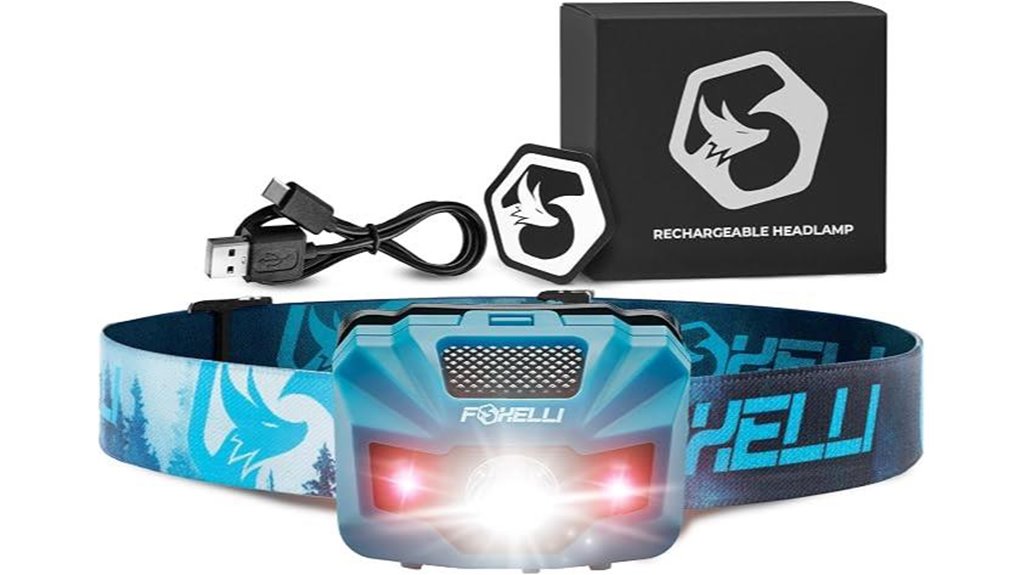
The Foxelli USB-C Rechargeable LED Headlamp 180 Lumens is a strong choice for adults and kids who want a lightweight, easy-to-use light for everyday tasks or outdoor use. Weighing 2.4 ounces, it offers five modes, including white beam, dimmed light, red night-vision, and SOS strobe. Its adjustable, non-slip strap helps keep it steady during movement. The IPX5 water-resistant build supports use in rain or snow. USB-C charging eliminates disposable batteries, and the lithium polymer battery can last up to 40 hours. The beam reaches 300 feet. A 120-day money-back guarantee and one-year warranty add reassurance.
Best For: Adults and kids who need a lightweight, rechargeable, easy-to-use headlamp for everyday tasks, outdoor activities, and wet-weather use.
Pros:
- Lightweight 2.4 oz design with a comfortable, non-slip adjustable strap
- Five useful lighting modes, including red night vision and SOS strobe
- USB-C rechargeable with up to 40 hours of battery life and IPX5 water resistance
Cons:
- 180 lumens may be modest for users needing very bright illumination
- Plastic construction may not feel as rugged as higher-end metal models
- Beam distance and runtime are good, but not ideal for heavy-duty or professional use
Streamlight 61702 Bandit 180-Lumen USB Rechargeable Capable Headlamp
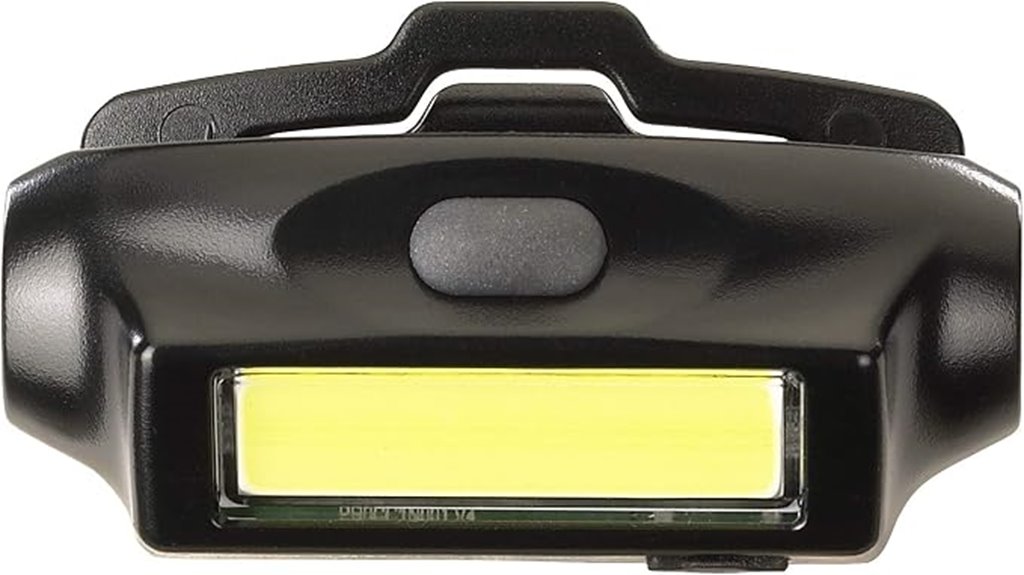
Streamlight’s Bandit suits users who want a lightweight, low-profile headlamp for close-range tasks. At 180 lumens, it delivers bright, even, diffused light with adjustable modes for camping, inspections, running, and maintenance. The compact unit weighs just 1.6 ounces and measures 2.7 x 0.75 x 1.13 inches, making it easy to wear or clip to hats, pockets, and backpacks. A rechargeable lithium polymer battery is included, offering up to five hours of runtime. Weather-resistant construction supports indoor and outdoor use, though it is not water-resistant.
Best For: Outdoor enthusiasts and professionals who need a lightweight, low-profile headlamp for close-range hands-free tasks like camping, inspections, running, and maintenance.
Pros:
- Bright 180-lumen output with even, diffused light and adjustable modes
- Very lightweight and compact, making it easy to wear or clip onto gear
- Includes a rechargeable battery and USB cable, with up to 5 hours of runtime
Cons:
- Not water-resistant, so it may not be ideal for wet conditions
- Runtime is limited compared with some higher-capacity headlamps
- Best suited for close-range tasks rather than long-distance illumination
Factors to Consider When Choosing Headlamps 2026: Bright Hands-Free Picks Reviewed
Selecting a headlamp in 2026 begins with brightness and beam range, since the right output determines how well it lights near tasks or distant paths. Weight, comfort, battery life, charging method, and weather resistance also shape how practical it feels in regular use. Available modes and light colors can further improve visibility, conserve power, and match different outdoor or work conditions.
Brightness And Beam Range
Brightness and beam range are the core measures that determine how well a headlamp performs in real use. Brightness is commonly rated in lumens, and higher output generally improves visibility; around 180 lumens suits many versatile tasks. Beam distance matters just as much, since it shows how far the light can project, with some models reaching 300 feet for broader outdoor coverage. Multiple lighting modes add flexibility, letting users move from a strong distance beam to dimmer or red settings for close work and preserving night vision. Output should be balanced with battery life, because maximum brightness can shorten runtime, while lower modes may last up to 40 hours. Water resistance, such as IPX5, also supports reliable performance in rain or snow.
Weight And Comfort
Comfort plays a major role in headlamp choice, especially during long sessions where even small amounts of weight can become tiring. Lighter models, especially those at about 2.4 ounces or below, are generally more comfortable for extended wear. Designs under 2 ounces can further reduce neck strain and help limit fatigue over time. A compact body, roughly 1.3D x 2.4W x 1.6H inches, keeps the lamp low profile and less bulky during movement. An adjustable head strap improves fit by securing the lamp without bounce, while also fitting different head sizes for adults and children. A non-slip strap adds stability, helping the headlamp stay put and reducing distraction during work or outdoor activity.
Battery Life And Charging
Battery life is a key consideration in any headlamp, with runtimes ranging from a few hours to several days depending on the model and use. Buyers should compare stated runtimes across brightness modes, since high-output settings usually reduce endurance far more quickly than lower beams. Rechargeable models with USB-C are often favored for faster refills and the convenience of avoiding disposable batteries. Battery chemistry also matters: Lithium Polymer packs can influence both longevity and performance in changing conditions. Charging practicality should not be overlooked either, because included cables or adapters can improve compatibility and make setup easier. A headlamp that balances efficient runtime, sensible charging speed, and dependable battery design will generally serve more consistently for everyday tasks, travel, or extended use.
Weather Resistance Rating
Weather resistance ratings show how well a headlamp handles moisture and harsh conditions, with IPX ratings commonly used to indicate water protection. In practice, IPX5 means the lamp can resist splashes from any direction, which suits rain, wet trails, and snowfall. Higher ratings, such as IPX7 or IPX8, signal stronger defense and the ability to survive submersion for extended periods without damage. That level of protection matters for boating, storms, or accidental drops into water. A durable, weather-resistant design is especially important for outdoor use, where exposure to moisture is common. Even when a model lacks an official rating, weather-resistant plastics and sealed construction can still offer useful protection against the elements, though confidence is lower than with certified water resistance.
Modes And Light Colors
Headlamps with multiple modes give users better control over brightness, battery use, and visibility, making them more adaptable across tasks. High, low, and strobe settings let a wearer match output to the situation, from long-distance spotting to close-up work. Adjustable brightness also helps conserve power when full intensity is unnecessary. Light color matters as well. Red light is often preferred for preserving night vision and reducing eye strain during low-light activities. Some models add an SOS strobe for emergency signaling, which can be valuable outdoors. Beam pattern further affects usefulness: focused beams reach farther, while diffuse beams spread light for broader coverage. Together, modes and color options improve versatility, making a headlamp easier to trust in changing environments and demanding conditions.
Frequently Asked Questions
Are Headlamps Safe to Use While Charging?
Headlamps are generally safe to use while charging only if the manufacturer explicitly allows pass-through operation. Otherwise, using them during charging can cause overheating, reduced battery life, or damage. It is safer to charge the headlamp fully before use and unplug it when done. If the device feels hot, smells unusual, or shows battery swelling, charging and use should stop immediately, and the unit should be inspected or replaced.
Can Headlamps Be Worn Over Helmets Comfortably?
Yes, many headlamps can be worn over helmets comfortably, especially models with adjustable elastic straps or helmet clips. About 70% of outdoor workers report preferring helmet-mounted lighting for hands-free visibility, making fit an important design feature. Comfort depends on strap length, weight balance, and helmet shape. A thin, padded strap usually reduces pressure points, while lightweight units are less likely to shift during movement or extended wear.
How Often Should Headlamp Batteries Be Replaced?
Headlamp batteries should be replaced whenever brightness drops noticeably, runtime shortens, or corrosion appears. For disposable cells, this may happen after several uses or months of storage. Rechargeable packs often need replacement after 300 to 500 charge cycles, or when they no longer hold a full charge. Regular inspection helps prevent unexpected failure. Cold weather, heavy use, and poor storage can shorten battery life considerably over time.
Do Headlamps Work Well in Extreme Cold Weather?
Headlamps can work well in extreme cold weather, but performance often drops as batteries lose efficiency in low temperatures. Lithium batteries usually fare better than alkaline cells, delivering steadier output and longer runtime. Elastic straps and plastic housings generally remain usable in freezing conditions, though fogging or condensation may occur. For best results, keeping batteries warm and choosing cold-rated models helps maintain reliable illumination during winter use.
Are Red-Light Modes Useful for Night Vision?
Like a candle in a dark cathedral, red-light modes are indeed useful for preserving night vision. They reduce pupil constriction, so the eyes adapt less sharply to darkness after the light is switched off. For map reading, camp tasks, or checking gear, they provide enough illumination without causing major night-blindness. They are not perfect for spotting distant obstacles, but they are a practical choice when darkness must be maintained.
Conclusion
Both the Foxelli USB-C Rechargeable LED Headlamp and the Streamlight 61702 Bandit prove that a compact light can still carry serious value. One lingers with endurance and weather resistance; the other wins with featherweight comfort and a discreet profile. Yet the final choice may depend less on specs than on when the darkness arrives, and how long it intends to stay. For those who wait for the next trip, the better beam may not be obvious.