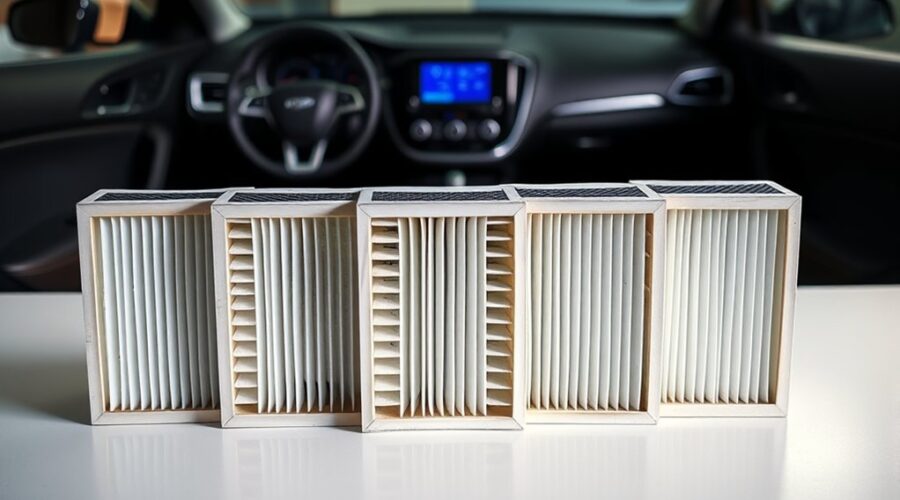
Cleaner cabin air has become a practical priority for many drivers in 2027. With dust, pollen, odors, and fine particles all competing for attention, the right filter can make a noticeable difference in comfort and HVAC performance. Five models stand out for different reasons, from odor control to HEPA-level filtration and OEM fit. The question is which one fits a vehicle’s needs best, and the answer depends on more than price.
FRAM Fresh Breeze Cabin Air Filter CF10134
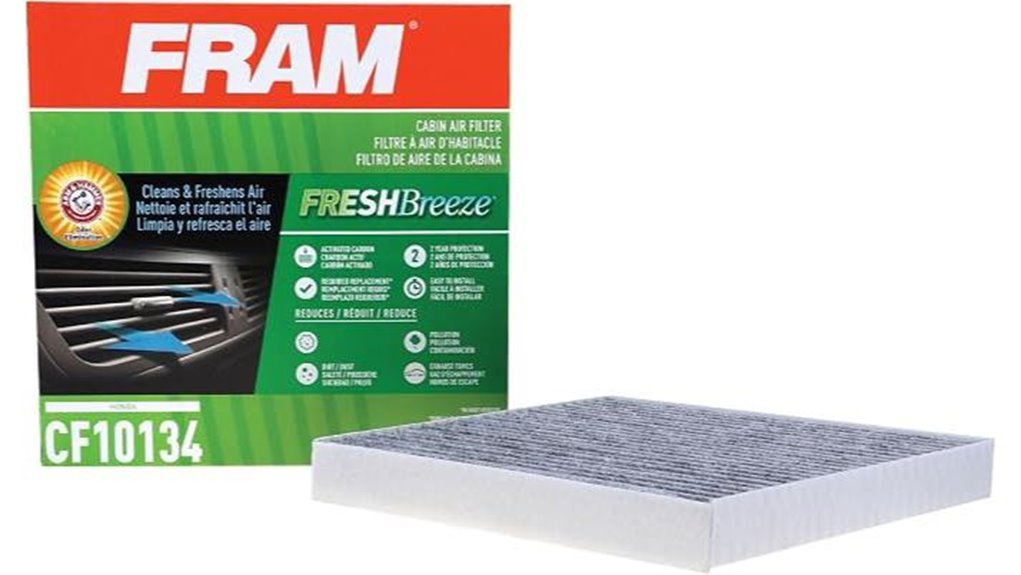
The FRAM Fresh Breeze Cabin Air Filter CF10134 is a strong choice for drivers who want reliable cabin air protection with odor control, thanks to its Arm & Hammer baking soda and carbon construction. It is a replacement filter for the passenger compartment in many Honda and Acura models, including the Accord, CR-V, Pilot, MDX, and TLX. The filter is designed to trap up to 98% of dust, pollen, and other contaminants while reducing odors from the ventilation system. Positioned behind the glove box, it typically takes about 15 minutes to install.
Best For: Drivers of compatible Honda and Acura vehicles who want a quick-to-install cabin air filter that helps reduce odors and trap dust, pollen, and other contaminants.
Pros:
- Built with Arm & Hammer baking soda and carbon for odor control.
- Filters up to 98% of dust, pollen, and other contaminants.
- Easy behind-the-glove-box installation, typically taking about 15 minutes.
Cons:
- Only fits specific Honda and Acura models and model years.
- Not ideal for vehicles outside the listed compatibility range.
- May need more frequent replacement in heavily polluted or dusty driving conditions.
EPAuto CP285 (CF10285) Premium Cabin Air Filter includes Activated Carbon
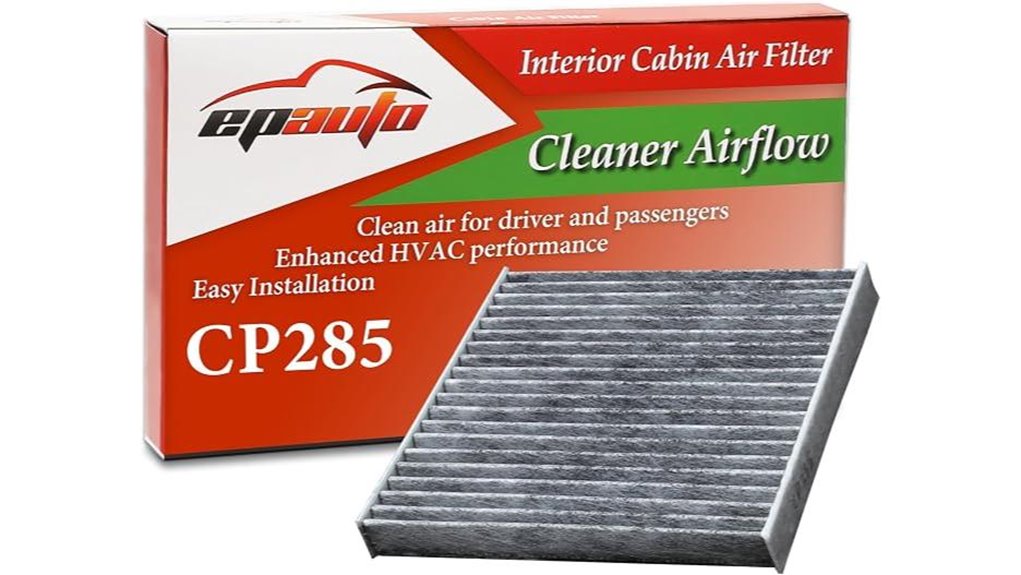
EPAuto CP285 suits drivers wanting activated-carbon filtration for a wide range of Toyota, Lexus, and Subaru models. The EPAuto CP285 (CF10285) Premium Cabin Air Filter, model AUTO-CF-002, weighs 6.4 ounces and is also cross-compatible with several Jaguar, Land Rover, Scion, Pontiac, and Ford Transit applications. Its activated carbon helps improve cabin air quality while supporting HVAC performance. Fitment covers popular vehicles such as the 4Runner, Camry, Corolla, RAV4, RX350, Legacy, and Outback. Replacement is generally recommended every 12 months or 12,000 miles. OEM equivalents include 72880-AJ000 and 87139-02020.
Best For: Drivers of compatible Toyota, Lexus, Subaru, Jaguar, Land Rover, Scion, Pontiac, or Ford Transit vehicles who want an activated-carbon cabin air filter to improve air quality and HVAC performance.
Pros:
- Activated carbon helps reduce odors and improve cabin air quality.
- Broad fitment across many popular Toyota, Lexus, and Subaru models, plus select other brands.
- Replacement interval is straightforward at about 12 months or 12,000 miles.
Cons:
- Fitment is specific, so buyers must verify compatibility before ordering.
- Not a premium OEM-branded part, which may matter to some owners.
- Warranty details are not clearly specified upfront.
ACDelco GM Original Equipment Cabin Air Filter (CF188)
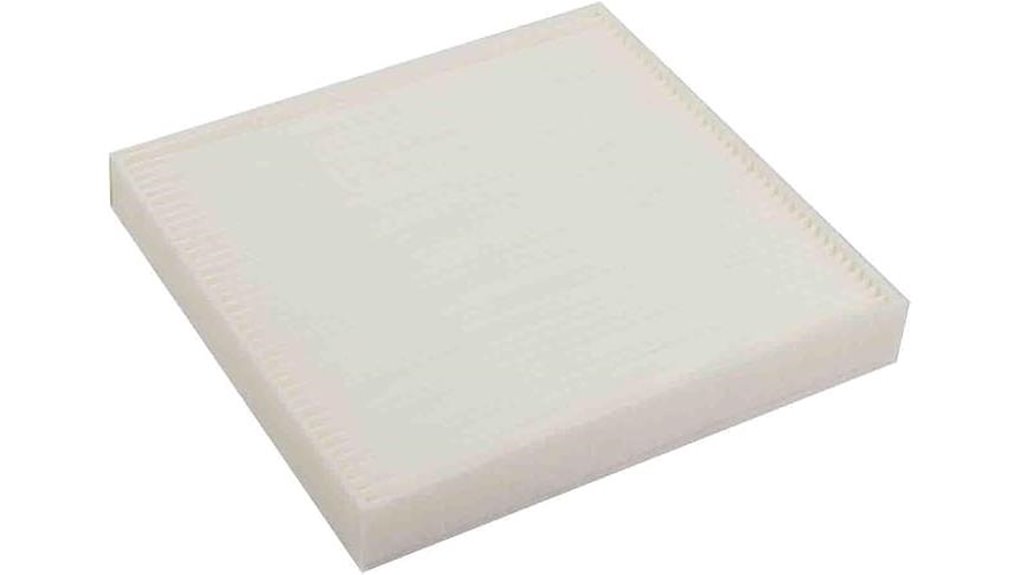
ACDelco’s CF188 suits drivers seeking an OEM cabin filter for select Cadillac, Chevrolet, and GMC models. It uses long media in a non-woven material to capture particles while supporting airflow. Its multi-layered construction with separated media helps improve contaminant containment inside the filter. As a GM Original Equipment part, it is designed, engineered, and tested to rigorous standards, with validation by GM engineers for Chevrolet, Buick, GMC, and Cadillac vehicles. Regular updates to materials and designs help maintain relevance. Some units were previously sold under GM Genuine Parts or ACDelco Professional names.
Best For: Drivers of select Cadillac, Chevrolet, and GMC vehicles who want an OEM cabin air filter with GM-backed fit, filtration, and reliability.
Pros:
- GM Original Equipment part designed, engineered, and tested to rigorous standards
- Long non-woven media helps capture particles while supporting airflow
- Multi-layered construction improves contaminant containment
Cons:
- Only fits select Cadillac, Chevrolet, and GMC models
- OEM pricing may be higher than aftermarket cabin filters
- Prior branding changes may cause confusion when comparing listings
Spearhead Odor Defense Breathe Easy AC & Heater Cabin Air Filter (BE-002)
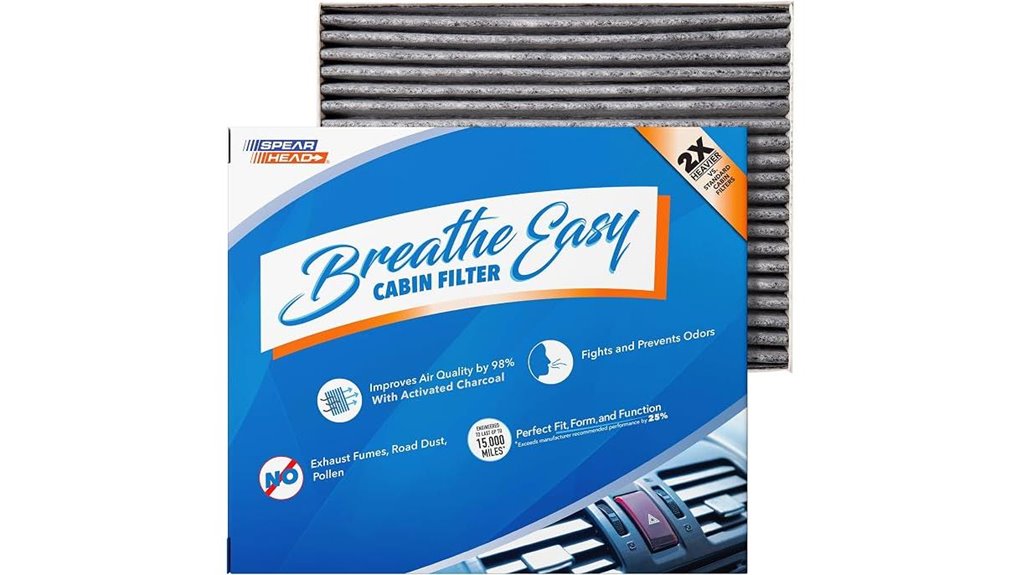
Spearhead’s BE-002 suits Kia Soul drivers needing stronger odor control and a precise OEM-style fit. Designed for 2014–2019 Kia Soul and 2015–2019 Kia Soul EV models, it also matches CF12002 and 97133-B2000 references. Its electrostatic media and real coconut shell activated carbon target road debris, exhaust fumes, and cabin odors. The multi-layer pleated build is 2X heavier than standard filters and rated for up to 15,000 miles, about 25% longer than typical units. OEM housing testing supports fitment, while the included manual helps make replacement straightforward. A 30-day Amazon return policy adds reassurance.
Best For: Kia Soul and Kia Soul EV owners from 2014–2019 who want stronger odor control, OEM-style fitment, and a longer-lasting cabin air filter.
Pros:
- Real coconut shell activated carbon and electrostatic media help reduce odors, exhaust fumes, and road debris.
- Fits 2014–2019 Kia Soul and 2015–2019 Kia Soul EV, with OEM housing testing for better fit confidence.
- Rated up to 15,000 miles and includes an installation manual for easier DIY replacement.
Cons:
- Only compatible with specific Kia Soul and Soul EV model years, so fitment is limited.
- Premium filter construction may come at a higher price than basic cabin filters.
- Odor-focused performance may be unnecessary for drivers who only need a simple replacement filter.
BOSCH 6057C HEPA Cabin Air Filter – 3 Layer Protection For A Healthier Ride
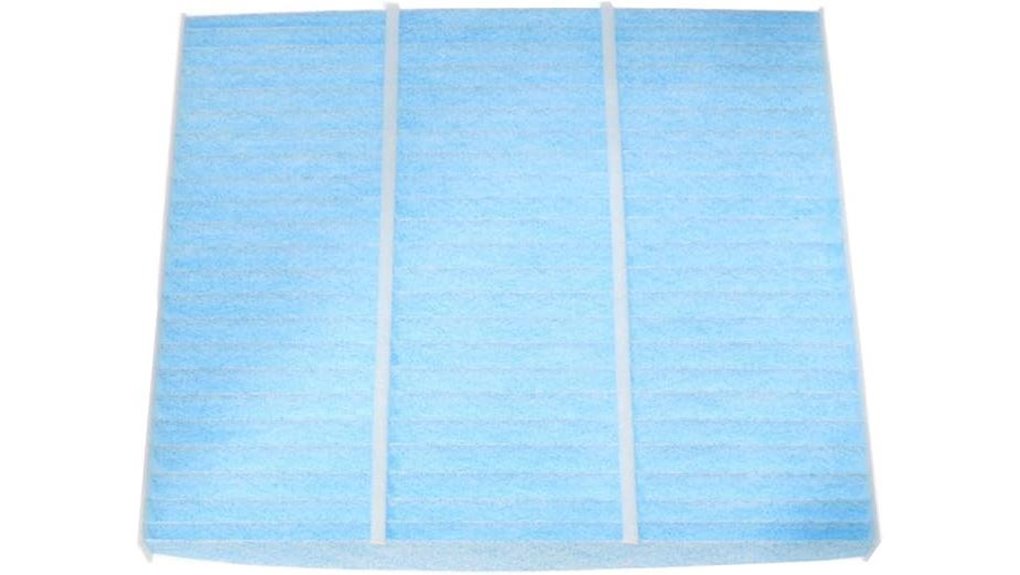
Bosch’s 6057C HEPA cabin filter is ideal for drivers who want true particulate protection. Built to HEPA standards, it captures 99.97% of particles at 0.3 microns, helping keep cabin air noticeably cleaner. Its three-layer design combines dense media, a melt-blown electrostatic layer, and added static cotton to improve trapping capacity. Structural ribs reinforce stability and help the filter maintain performance over time. It avoids chemical odor neutralizers, focusing instead on genuine filtration. Bosch recommends replacement every 12 months or 12,000 miles. Fitment covers select Chevrolet, GMC, Hyundai, Kia, and Saturn models.
Best For: Drivers seeking a true HEPA-level cabin air filter for improved in-cabin air quality and particulate protection.
Pros:
- Captures 99.97% of particles at 0.3 microns for strong filtration performance.
- Three-layer design with electrostatic and static cotton layers boosts trapping capacity.
- Structural ribs help maintain filter integrity and consistent performance over time.
Cons:
- Fitment is limited to select Chevrolet, GMC, Hyundai, Kia, and Saturn models.
- Replacement is recommended every 12 months or 12,000 miles, which may be frequent for some drivers.
- Does not include chemical odor neutralizers for those who want odor-control features.
Factors to Consider When Choosing Cabin Air Filters 2026: Cleaner Air, Less Odor
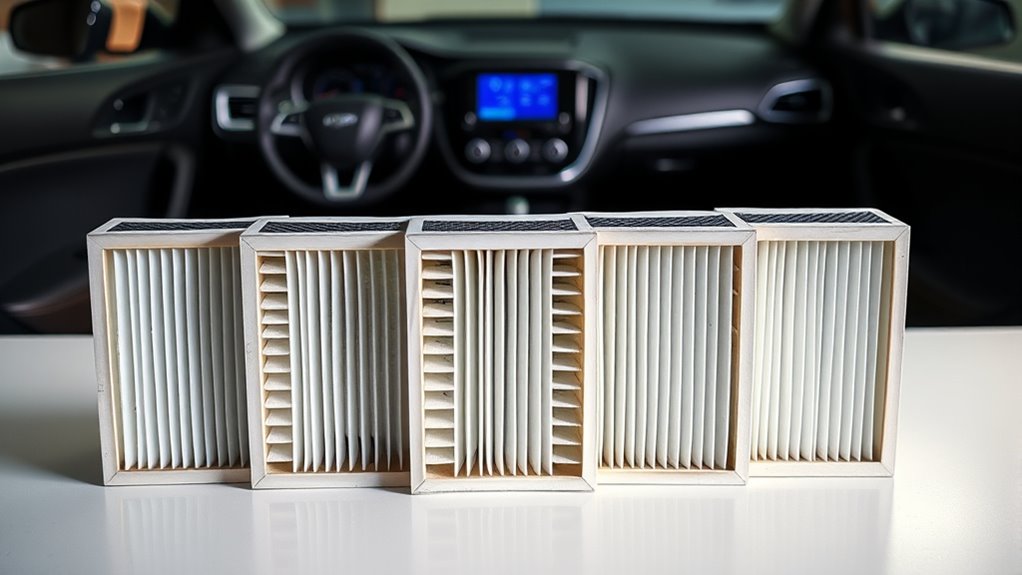
Choosing a cabin air filter in 2026 starts with filtration efficiency, since finer particles and pollen need strong capture for cleaner air. Odor control media, vehicle compatibility, HVAC airflow, and service life also matter because they affect how well the filter fits, how the system breathes, and how long it stays effective. These factors together help reduce cabin odors while maintaining consistent air quality over time.
Filtration Efficiency
Filtration efficiency is one of the most important factors in a cabin air filter, since high-quality models can capture up to 99.97% of particles as small as 0.3 microns, helping keep the vehicle’s interior air cleaner. Multi-layered designs, including those built to HEPA standards, can improve particle capture while preserving airflow, supporting steady circulation through the cabin. Construction details also matter, because electrostatic layers and structural ribs may help the filter trap more contaminants without restricting performance. To maintain this level of protection, replacement is typically recommended every 12,000 miles or 12 months. When efficiency declines, more dust, pollen, and other airborne particles can pass through the ventilation system, reducing air quality and making the filter less effective overall.
Odor Control Media
Odor control media can make a noticeable difference in a cabin air filter, especially when the goal is cleaner air and less lingering smell inside the vehicle. Activated carbon is a common option because it absorbs odors, smoke, and harmful gases, which is especially useful in cities or other polluted areas. Baking soda media offers another approach by neutralizing acidic compounds that contribute to stubborn smells, providing a simpler alternative to air fresheners. Multi-layered designs can strengthen this benefit by trapping dust, pollen, and other airborne contaminants alongside odor particles. To keep performance steady, filters with odor control media should be replaced about every 12,000 miles or once a year. This helps preserve airflow, freshness, and overall cabin air quality.
Vehicle Compatibility
Even the best odor-control media will only help if the cabin air filter fits the vehicle correctly. Compatibility starts with the vehicle’s make, model, and year, since small differences can change the required dimensions and mounting style. Many filters are built to replace specific OEM parts, so matching the original part number is often the fastest route to the right choice. Compatibility charts and vehicle fit checkers add another layer of accuracy, especially when brands and model lines vary widely. Some filters are also engineered for particular automakers, reflecting their filtration requirements. Replacement intervals should also be reviewed, because a correctly matched filter can only support cleaner cabin air as long as it is changed on schedule.
HVAC Airflow
A quality cabin air filter does more than clean the air; it also helps protect HVAC airflow by trapping dust, pollen, and other contaminants before they can clog the system. By keeping obstructions out of the ducts, the filter supports steadier ventilation and helps the cabin reach a comfortable temperature more efficiently. Well-designed filters can capture up to 98% of airborne particles, which contributes to cleaner circulation and less strain on the HVAC system. Activated carbon and HEPA options further improve airflow quality by reducing odors and microscopic debris. Multi-layered media can also enhance filtration without unnecessarily restricting passage. To preserve performance, regular replacement is important, since buildup gradually reduces airflow and weakens HVAC effectiveness.
Service Life
Service life is a key factor when choosing a cabin air filter, since most are designed for replacement every 12 months or 12,000 miles to maintain strong air quality and HVAC performance. Longer-lasting models may extend protection to about 15,000 miles, which can reduce the need for frequent changes while still limiting contaminants and odors. If a filter remains in place too long, airflow can decline and cabin air quality can suffer. Some filters use activated carbon or similar media to improve odor control and preserve effectiveness over a longer period. Regular replacement also supports HVAC efficiency, helping avoid unnecessary strain on the system and reducing the risk of long-term wear.
Installation Ease
Installation ease matters because cabin air filters are often positioned behind the glove box, where many can be swapped in about 15 minutes with basic tools. That location generally supports do-it-yourself replacement, but the process still benefits from clear instructions. Many filters include manuals or step-by-step guides that reduce guesswork and help prevent incorrect placement. Compatibility verification tools are also useful, since a proper fit lowers the chance of installation problems and wasted time. Filter construction can affect handling as well; multi-layered designs or denser materials may improve filtration, yet sometimes require more care during insertion. Weight is another consideration, since heavier filters can be less convenient to maneuver in tight spaces.
Frequently Asked Questions
How Often Should I Replace My Cabin Air Filter?
A cabin air filter is typically replaced every 15,000 to 30,000 miles, or about once a year, though severe dust, smoke, or heavy traffic may require sooner service. Manufacturer recommendations should guide the exact interval. If airflow drops, odors persist, or windows fog more easily, replacement may be due. Regular checks during routine maintenance help guarantee cleaner cabin air and consistent HVAC performance throughout the vehicle’s use.
Can a Cabin Filter Improve Allergy Symptoms?
Yes, a cabin filter can help reduce allergy symptoms by trapping pollen, dust, mold spores, and other airborne irritants before they enter the vehicle’s interior. Its benefit depends on the filter’s quality and condition; a clogged or low-grade filter offers less protection. A clean, high-efficiency cabin filter may noticeably improve comfort for sensitive occupants, especially during high-pollen seasons. It does not eliminate allergies, but it can lessen exposure while driving.
Do HEPA Cabin Filters Fit Every Vehicle?
HEPA cabin filters do not fit every vehicle. Fit depends on the specific make, model, year, and HVAC housing design, since many cars use different filter sizes and mounting styles. Some vehicles accept true HEPA-style replacements, while others only support standard particulate filters or aftermarket equivalents. A compatibility check is necessary before purchase, and installation may still require adapter parts or modifications in certain cases.
Will a Clogged Cabin Filter Affect AC Performance?
Yes, a clogged cabin filter can reduce AC performance. It restricts airflow through the HVAC system, making cooling feel weaker and forcing the blower to work harder. In severe cases, it may cause musty odors, fogged windows, and uneven air delivery. Replacing the filter usually restores normal airflow and helps the AC system operate more efficiently, improving both comfort and overall cabin air quality.
Are Cabin Air Filters Washable or Reusable?
Cabin air filters are usually not washable or reusable, as most are designed for one-time use and should be replaced when dirty. A few aftermarket models are marketed as reusable, but they require careful cleaning and drying to avoid damage or mold. He or she should follow the vehicle manufacturer’s guidance, since washing a standard filter can reduce filtration efficiency and airflow, potentially affecting cabin air quality and HVAC performance.
Conclusion
Choosing the right cabin air filter can make every drive feel fresher and healthier. As the saying goes, “an ounce of prevention is worth a pound of cure,” and that holds true for keeping dust, pollen, and odors at bay. Whether it is FRAM, EPAuto, ACDelco, Spearhead, or BOSCH, each option offers distinct benefits for cleaner air and better HVAC performance. Regular replacement remains the simplest way to breathe easier on the road.